
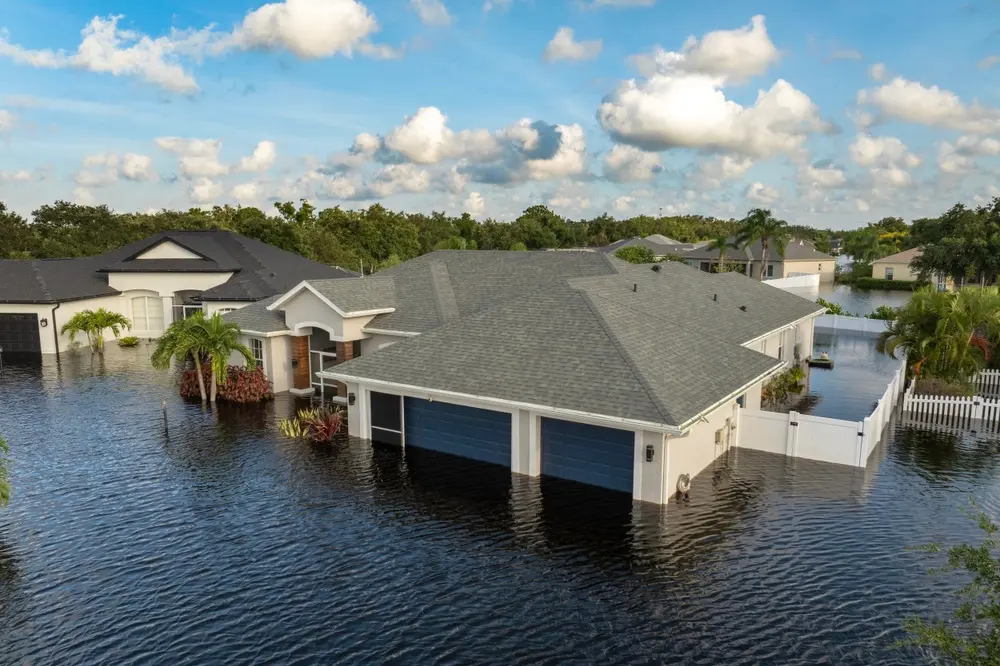
Florida homeowners understand how quickly weather conditions can change once hurricane season arrives. Heavy rain, strong winds, and extended storm activity place enormous stress on residential roofing systems every year. While emergency supplies and storm shutters often receive immediate attention, people sometimes overlook the roof’s condition until visible damage appears.
A professional roofing company frequently sees preventable storm damage caused by deferred maintenance and unnoticed roofing weaknesses. Small issues such as loose flashing, aging shingles, clogged drainage areas, and minor leaks may become major problems during severe weather. Preparing the roof before hurricane season may help reduce repair costs and improve overall storm protection.
Many homeowners contact roofers only after water intrusion or missing shingles appear following a storm. Preventive inspections and maintenance completed earlier often provide a better opportunity to address vulnerabilities before emergencies develop.
Roof Inspections Help Identify Hidden Weaknesses
One of the most effective ways to prepare for hurricane season is scheduling a professional roof inspection. Roofing systems often experience gradual wear from Florida heat, humidity, and seasonal storms long before visible symptoms appear from the ground.
Shingles may loosen slowly over time, flashing can separate around vents and chimneys, and roof penetrations may develop small gaps that allow water intrusion during heavy rainfall. These problems are sometimes difficult for homeowners to identify without a closer inspection.
Roofers evaluate the overall condition of roofing materials, drainage systems, flashing components, and structural areas vulnerable to moisture penetration. Identifying these concerns before hurricane season allows us to complete repairs while conditions remain manageable.
A roofing company performing preventative inspections may also help homeowners understand the remaining condition and expected performance of aging roofing systems before severe weather arrives.
Loose Roofing Materials Become Dangerous During Storms
Strong winds associated with tropical storms and hurricanes place substantial pressure on roofing systems. Loose shingles, weakened fasteners, and deteriorating flashing may detach more easily once wind speeds increase.
Even a small section of damaged roofing material can expose underlying components to water intrusion. Once wind-driven rain reaches the underlayment or roof decking, interior moisture damage may develop quickly inside the home.
Homeowners sometimes underestimate the importance of minor repairs because the roof appears functional in ordinary weather. Hurricane season often exposes weaknesses that previously went unnoticed.
Roofers frequently recommend securing vulnerable areas before storms become more active. Replacing loose shingles, reinforcing flashing, and repairing damaged roof edges may help reduce the risk of larger failures during severe weather.
Gutters and Drainage Systems Need Attention Before Storm Season
Proper roof drainage becomes especially important during periods of heavy rainfall. Gutters and downspouts direct water away from the roofline and foundation, helping reduce standing water and overflow problems.
Leaves, branches, and storm debris often collect inside gutters throughout the year. During hurricane season, clogged drainage systems may force water beneath roofing materials or allow runoff to overflow near the home’s foundation.
A roofing company may inspect gutters as part of a broader roof evaluation because poor drainage frequently contributes to moisture-related roof damage. You should address sagging gutters, loose brackets, and improper water flow before heavy summer storms arrive.
Routine gutter cleaning and drainage maintenance may help support the overall performance of the roofing system throughout hurricane season.
Trees Near the Roofline Can Increase Storm Risks
Overhanging tree branches create additional roofing hazards during hurricanes and severe storms. Strong winds may break limbs and send debris across roofing surfaces, damaging shingles, flashing, and gutters.
Even smaller branches rubbing repeatedly against the roof may gradually wear down protective roofing materials. Leaves and debris from nearby trees can also trap moisture on the roof surface and inside gutters.
Many homeowners preparing for hurricane season choose to trim back branches near the home. Reducing debris accumulation and minimizing impact risks may help improve roof protection during periods of severe weather.
Roofers often notice storm damage concentrated around areas where tree limbs hang directly over vulnerable roof sections.
Documentation and Maintenance May Help After Storms
Preparing for hurricane season also includes documenting the roof’s current condition before severe weather arrives. Photographs, inspection reports, and maintenance records may become valuable if insurance claims are necessary after a storm.
A roofing company performing an inspection may provide homeowners with a clearer understanding of existing conditions and recommended repairs. This documentation may help distinguish old wear from new storm-related damage later.
Routine maintenance records also demonstrate that homeowners took reasonable steps to care for the roofing system before hurricane activity occurred.
Preparation completed before the storm season often leads to fewer complications than emergency repairs performed after widespread weather damage affects the area.
Frequently Asked Questions
Why should homeowners schedule a roof inspection before hurricane season?
A roof inspection may identify loose shingles, damaged flashing, leaks, and drainage issues before severe storms cause more serious roofing problems.
Can roofers repair small roofing issues before storm season?
Yes. Roofers often complete preventive repairs, such as replacing damaged shingles, securing flashing, and improving drainage systems, before hurricanes arrive.
How do trees affect roofing systems during storms?
Overhanging branches may damage shingles, gutters, and flashing during high winds and increase debris buildup on the roof.
What does a roofing company check during a roof inspection?
A roofing company typically evaluates shingles, flashing, roof penetrations, gutters, ventilation systems, and visible signs of storm or moisture damage.
Homeowners preparing their property for severe weather can benefit from professional roof inspections before hurricane season intensifies. Learn more about residential roof inspection services by contacting Avatar Roofing in Tampa, FL.