Finding the best AR glasses in 2026 means weighing display quality against premium spatial features. The RayNeo Air 4 Pro ($299) and the Viture Beast ($549) sit at opposite ends of that equation—and a $250 price gap demands close scrutiny.
Both use micro-OLED panels with 120Hz refresh rates and USB-C connectivity to phones, laptops, and gaming handhelds. The overlap in core specs makes every remaining difference count for AR glasses shoppers.
This comparison covers everything from HDR10 and AI glasses image-processing technology to field of view, comfort, and real-world value—helping you decide which pair of AR glasses fits your priorities and budget.
Quick Specs: $299 vs $549
Before diving into real-world testing results, here is how these two contenders compare on paper. The numbers alone reveal where each company places its engineering bets—and which AR glasses give buyers more per dollar spent.
| Spec | RayNeo Air 4 Pro | Viture Beast |
|---|---|---|
| Price | $299 | $549 |
| Display | Micro-OLED, HDR10 | Micro-OLED |
| Resolution | 1920×1080/eye | 1920×1200/eye |
| Peak Brightness | 1,200 nits | 1,250 nits |
| FOV | 47° | 58° |
| Weight | 76g | 88g |
| Audio | B&O quad speakers | HARMAN spatial |
| Head Tracking | × | √ (3DoF) |
| EC Dimming | × | √ (9-level) |
| 2D-to-3D | √ (Vision 4000) | √ (SpaceWalker) |
| Eye Certification | TÜV SÜD | SGS A+ |
Both share competitive brightness and refresh rate figures. The split comes from engineering focus—RayNeo channels resources into HDR display processing and AI glasses image enhancements, while Viture invests in spatial tracking, dynamic tinting, and premium construction.
Display Technology Breakdown
Micro-OLED panels in both AR glasses deliver sharp, rich visuals. These two diverge on what defines the best AR glasses display—one chases color depth via HDR, the other prioritizes screen real estate and spatial features.
HDR10: A First for AR Glasses
The Air 4 Pro is the first pair of AR glasses with native HDR10 support. Its Pixelworks Vision 4000 chip handles 10-bit color processing at ΔE < 2 accuracy—a standard typically reserved for professional-grade monitors.
The chip also upscales SDR content to near-HDR quality in real time. When shopping for the best AR glasses for movie playback and gaming, HDR10 gives the Air 4 Pro a clear color depth advantage at this price point.
Field of View: 47° vs 58°
The Beast fires back with a 58-degree field of view—11 degrees wider than the Air 4 Pro’s 47°. That translates to a noticeably larger virtual canvas filling more of your peripheral vision, approaching IMAX-like framing that benefits both productivity layouts and immersive gaming.
Resolution and Brightness
The Beast edges ahead in resolution at 1920×1200 per eye versus 1080p. This gap matters for fine text in productivity setups but fades during video playback when comparing the best AR glasses. Peak brightness runs nearly identical—1,200 nits versus 1,250 nits—a negligible difference in practice.
Eye Protection Standards
The Air 4 Pro carries TÜV SÜD dual certification for low blue light and flicker-free operation, backed by 3840Hz PWM dimming. The Beast holds SGS A+ Eye Care certification. Both address visual fatigue through different approaches to eye-safe display engineering.
Comfort, Audio, and Build
Wearing AR glasses for a two-hour movie or an extended gaming session turns comfort from a footnote into a deal-breaker. Weight distribution, audio tuning, and lens dimming control all determine whether a pair of AR glasses gets daily use or collects dust.
Weight and Wearability
The Air 4 Pro weighs 76 grams with a 46.7:53.3 front-to-back weight ratio designed to reduce nose and ear pressure during long sessions. The Beast tips the scale at 88 grams in a magnesium-aluminum alloy frame with even weight distribution.
At 88 grams the Beast is heavier on paper, though reviewers differ on long-session comfort depending on head shape and fit. The Air 4 Pro’s lighter build may matter most for travelers comparing the best AR glasses for extended wear on flights and commutes.
Audio: B&O vs HARMAN
The Air 4 Pro uses four speakers co-tuned by Bang & Olufsen, delivering 360° spatial sound with a Whisper Mode that reduces leakage in shared spaces. The Beast runs HARMAN AudioEFX tuning with stronger raw volume output. Both systems deliver capable spatial audio for AR glasses at their price tiers.
Dimming and Light Control
The Beast offers nine-level electrochromic dimming—adjustable from fully transparent to total blackout—which adapts to any ambient lighting condition seamlessly. The Air 4 Pro uses fixed and swappable shades instead. The Beast’s adaptive EC dimming is genuinely more versatile for users in mixed-lighting environments.
Gaming, Streaming, and Smart Features
Both AR glasses work plug-and-play with many DisplayPort-over-USB-C devices such as laptops, compatible phones, Steam Deck, and ROG Ally. Console setups may require the appropriate dock or adapter depending on video output—and which AI glasses image-processing features accompany the experience differs significantly.
Handheld and Console Gaming
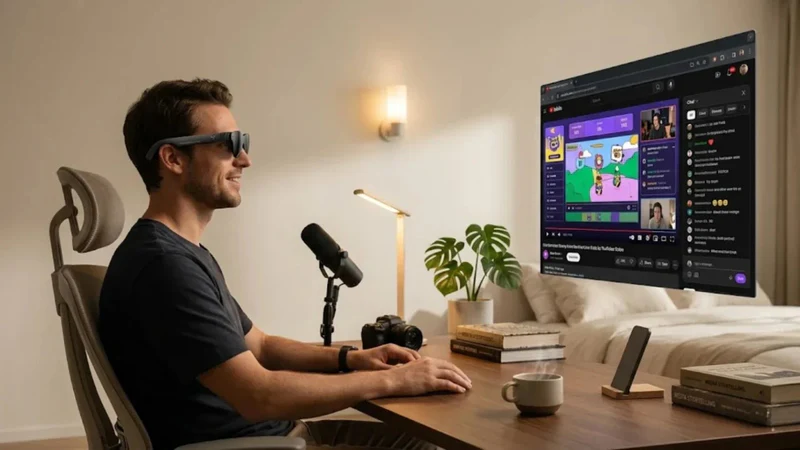
The Air 4 Pro’s HDR10 support transforms compatible games—dark environments in titles like Elden Ring gain real depth, and racing sims display realistic lighting reflections. The Beast’s wider 58° FOV paired with 3DoF head tracking anchors the virtual screen in space, creating a more spatially immersive play area.
Movies and Portable Cinema
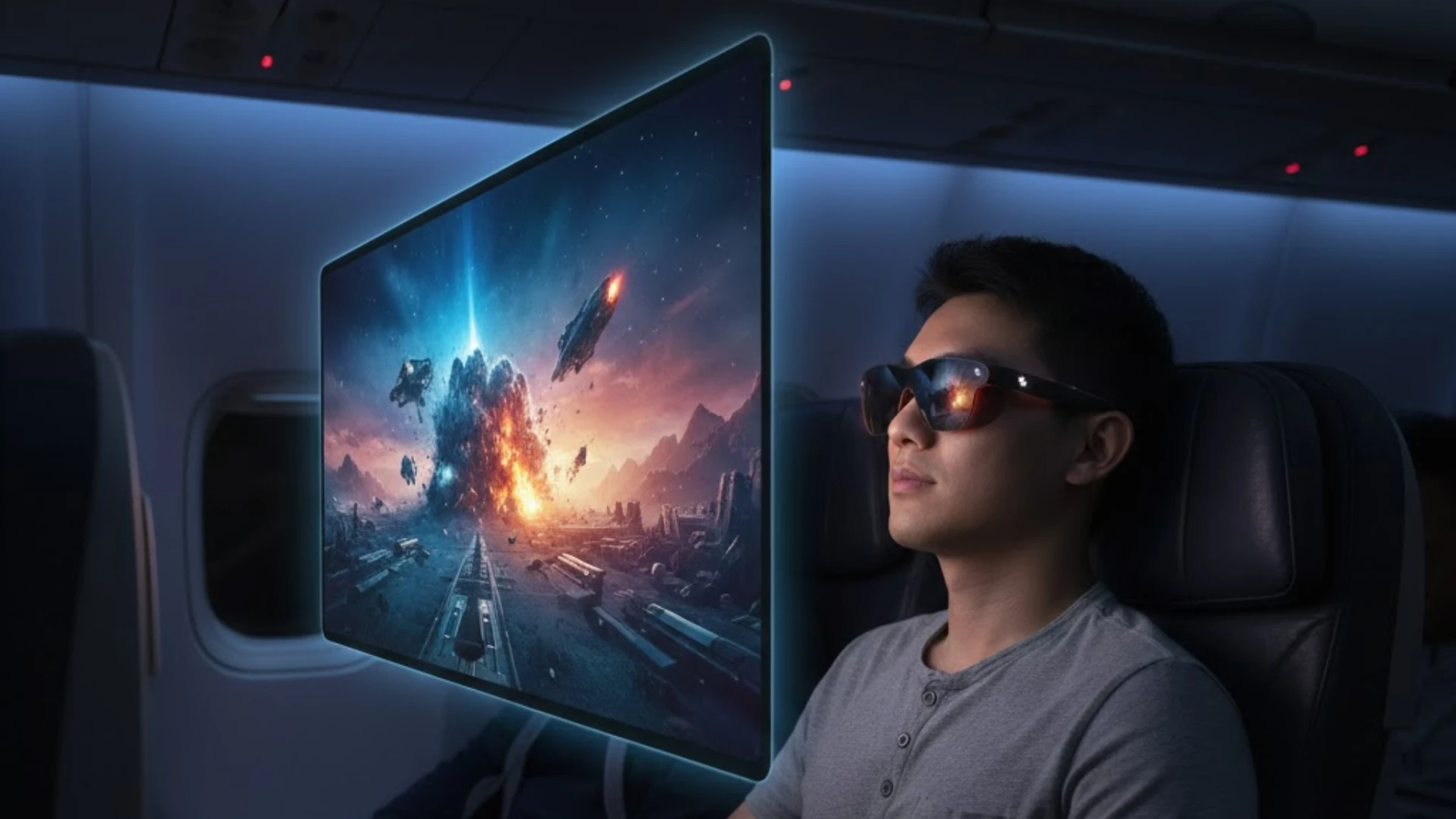
The Air 4 Pro projects a 201-inch equivalent virtual screen with HDR10 color grading. The Beast delivers a 174-inch screen with superior ambient light control via electrochromic dimming. Both rank among the best AR glasses for portable cinema, but each wins on different strengths.
AI-Driven Image Processing
RayNeo’s Vision 4000 chip emphasizes HDR-oriented AI glasses image processing, including SDR-to-HDR enhancement and AI 2D-to-3D conversion on iPhone 15, 16, and 17. The Beast offers its own real-time 2D-to-3D via SpaceWalker, plus 3DoF spatial modes and multi-screen layouts.
RayNeo’s broader lineup extends into standalone AI Glasses with the X3 Pro—pairing a 12MP camera, Google Gemini, and a 6,000-nit Micro-LED display. The Air 4 Pro is best understood as an AR display with AI glasses image processing rather than a camera-equipped smart glasses platform.
Is the Beast Worth $250 More?
The Beast costs 84% more than the Air 4 Pro. That premium buys wider FOV, electrochromic dimming, built-in 3DoF tracking, and SpaceWalker spatial modes—meaningful upgrades for power users seeking the best AR glasses spatial experience.
The Beast does not list HDR10 in its official specs, while RayNeo makes HDR10 and Vision 4000 AI glasses processing the Air 4 Pro’s headline features. The decision is less about features versus no features, more about HDR value versus FOV and spatial control.
For buyers who mainly want HDR movie playback on a lighter frame at a lower price, the Air 4 Pro is the stronger pick among best AR glasses under $500. The Beast justifies its premium for users who prioritize 58° FOV, dynamic tinting, and built-in spatial display modes.
Which Pair Earns Your Money?
The Beast suits enthusiasts who prioritize wide FOV, electrochromic dimming, and spatial tracking above all else. For most buyers exploring AI glasses image-processing features and HDR portable cinema, the RayNeo Air 4 Pro’s HDR10 display, 76-gram comfort, and $299 pricing make it the easier recommendation in 2026.