AI video generation has evolved rapidly over the last few years.
What started as simple avatar-based presentations has expanded into a broader category of AI-powered video creation tools that help marketers, creators, agencies, and brands produce content at scale. Today, teams use AI video platforms for everything from product explainers and social media campaigns to brand storytelling and customer education.
Among the most recognizable names in this space is Synthesia. Its AI avatars and multilingual video capabilities have made it a popular choice for training, onboarding, and presentation-style content.
However, as video marketing matures, many teams are discovering that not every project fits an avatar-first workflow. As a result, businesses searching for a Synthesia alternative are increasingly evaluating platforms based on storytelling, creative flexibility, editing workflows, and production scalability rather than avatar quality alone.
McKinsey’s latest State of AI research found that organizations are increasingly embedding generative AI into marketing and sales workflows, making content production one of the fastest-growing enterprise use cases for AI.
TL;DR
- Synthesia remains a strong option for avatar-based business videos.
- Many marketing teams now require broader video production capabilities.
- The best alternatives focus on storytelling, content scalability, editing flexibility, and campaign workflows.
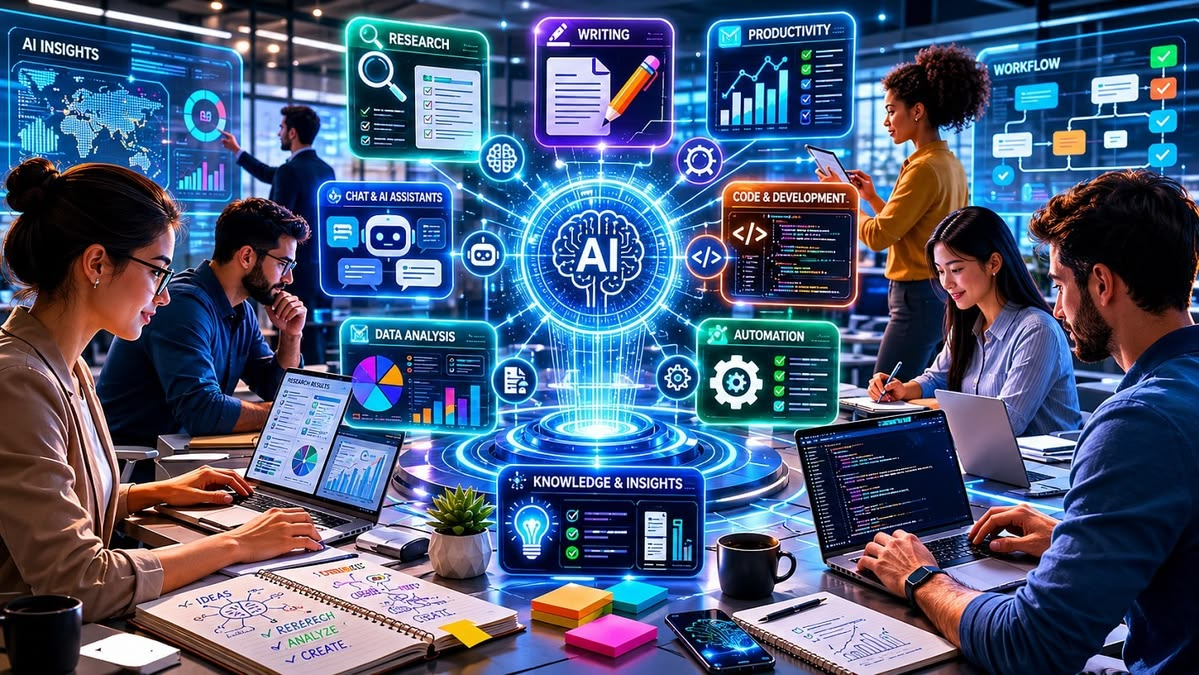
- AI video platforms are increasingly supporting end-to-end content creation rather than individual video generation tasks.
- Choosing the right platform depends on your content goals, production requirements, and team structure.
Why Marketing Teams Are Looking Beyond Avatar-Based Video Creation
Avatar-led videos solve a specific challenge.
They eliminate the need for cameras, studios, and on-screen presenters. For internal communications, training programs, onboarding content, and simple explainers, this can be extremely effective.
Marketing teams, however, often face different requirements.
Their content needs to:
- Capture attention quickly
- Support brand storytelling
- Adapt across multiple channels
- Maintain visual consistency
- Generate multiple creative variations
- Align with campaign objectives
These requirements extend beyond digital presenters.
As organizations increase video output, they often need platforms that support the entire content lifecycle—from concept development and scripting to editing and distribution.
This shift is reflected in broader marketing trends. HubSpot’s latest marketing research found that short-form video continues to be one of the highest-ROI content formats, leading many organizations to increase investment in video production and distribution.
The challenge is producing enough high-quality content to meet that demand.
What Makes a Strong Synthesia Alternative?
When evaluating alternatives, marketing teams should focus on workflow outcomes rather than individual features.
End-to-End Content Creation
Many teams want a platform that helps move from an idea to a finished video without requiring multiple software tools.
Storytelling Capabilities
Marketing videos need narratives, pacing, and visual flow that support engagement rather than simply delivering information.
Content Scalability
The ability to create multiple videos quickly becomes increasingly important as content calendars expand.
Editing Flexibility
Teams often need to refine visuals, pacing, scenes, and messaging without restarting projects from scratch.
Multi-Channel Support
Modern content strategies require videos for LinkedIn, YouTube, Instagram, TikTok, landing pages, and paid campaigns.
Platforms that support multiple formats can reduce production bottlenecks significantly.
The Rise of AI-Native Video Production Platforms
A growing number of AI video platforms are taking a broader approach than avatar generation alone.
Instead of focusing primarily on digital presenters, these solutions aim to support complete video production workflows.
For example, Frameo positions itself as an AI-native video production platform that helps marketers, creators, agencies, and growth teams transform ideas and scripts into structured, cinematic videos without relying on traditional editing workflows. The platform focuses on storytelling, scene generation, visual consistency, and production scalability rather than limiting video creation to avatar-led experiences.
This broader workflow focus is one reason many organizations evaluating a Synthesia alternative are expanding their criteria beyond avatar realism.
The question is increasingly becoming:
“Can this platform help us create better content faster?”
rather than:
“How realistic is the presenter?”
Key Considerations Before Choosing an Alternative
Different teams have different priorities.
For Training and Internal Communications
Avatar-centric platforms may continue to be a strong fit.
For Marketing Teams
Workflow efficiency, creative flexibility, and content volume often matter more.
For Agencies
The ability to generate multiple concepts, client variations, and campaign assets efficiently becomes critical.
For Content Creators
Storytelling tools, visual consistency, and rapid content production can significantly improve output.
Content Marketing Institute research shows that producing enough content consistently remains one of the biggest challenges for marketing teams, despite increased investment in content operations and technology.
The right platform depends less on individual features and more on how effectively it fits your content creation process.
How AI Is Reshaping Video Production
Marketing teams are increasingly operating like media companies.
They publish more content, serve more channels, and respond to trends faster than ever before.
This shift requires production systems that can keep pace.
Research into AI-assisted video creation highlights the growing importance of narrative development, visual planning, and content adaptation in modern video workflows. As video demand continues to grow, platforms that support structured creation processes may become increasingly valuable for marketing teams managing large content volumes.
At the same time, AI adoption within video production continues to accelerate. Wyzowl’s research found that 63% of video marketers now use AI tools to help create or edit marketing videos, reflecting the growing role of AI across the content production process.
Looking Beyond Features
Many AI video platform comparisons focus heavily on individual features.
While features matter, long-term success often depends on broader considerations:
- How quickly can content be produced?
- How easily can campaigns be scaled?
- How consistent are outputs across projects?
- How much manual work is removed from the workflow?
- How effectively does the platform support storytelling?
These factors often have a greater impact on marketing performance than any single feature category.
Conclusion
Synthesia remains one of the most recognized AI video platforms, particularly for avatar-driven content and business communications.
However, the needs of modern marketing teams continue to evolve. As content demands increase and video becomes a larger part of marketing strategy, organizations are increasingly evaluating platforms based on workflow efficiency, creative flexibility, storytelling capabilities, and scalability.
For teams exploring alternatives, the best choice may not be the platform with the most realistic avatars. It may be the one that enables faster, more effective content creation across the entire production lifecycle.
As AI video technology continues to mature, businesses evaluating a Synthesia alternative should focus on the platform’s ability to support how their teams actually create, manage, and scale content.