A roof is not only a cover over a building. It protects structure, insulation, wiring, interiors, and daily comfort. When installation or repair work is rushed, small mistakes can turn into leaks, trapped moisture, loose materials, and early replacement costs. Certified contractors bring training, product knowledge, safety awareness, and proper installation methods to the job. That matters because roof durability depends on more than strong materials. It depends on how those materials are selected, fitted, sealed, ventilated, and maintained over time.
Durable Roofs Start With Skilled Work
- What Lasting Roof Work Requires
Certified roofing work begins with a full understanding of the roof system, not just the visible surface. Shingles, underlayment, flashing, gutters, fasteners, decking, ventilation, and drainage all affect how long a roof will last. A contractor with proper certification is more likely to inspect these connected parts before recommending repairs or replacement. That careful approach helps prevent surface-level fixes that leave deeper problems untouched. For example, replacing damaged shingles without checking ventilation or moisture under the decking may only hide the issue for a short time. Long-term durability comes from knowing why damage happened, not only where it appeared. Certified contractors also understand manufacturer requirements, which can affect material performance and warranty protection. Their work is shaped by tested methods rather than guesswork, giving property owners a stronger chance of avoiding repeated repairs and premature roof failure.
- Why Certification Protects Materials
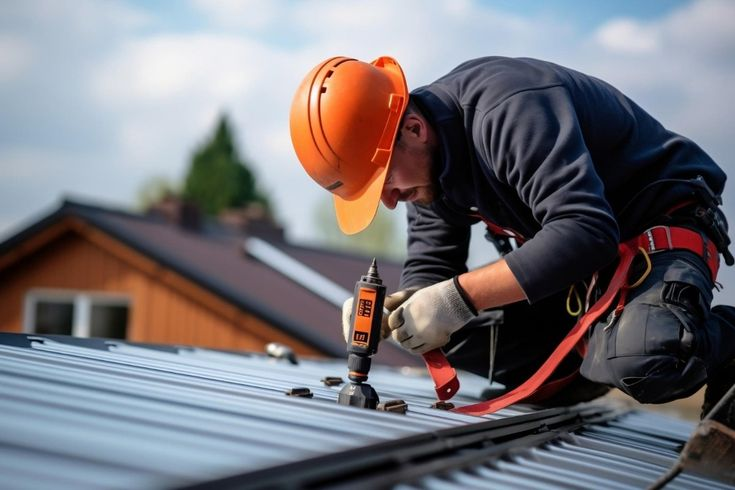
Roofing materials are designed to perform under certain conditions, but they cannot do their job if installed incorrectly. Certified contractors are trained to follow proper fastening patterns, overlap requirements, sealing methods, and ventilation standards. This is important because many roof failures begin with small installation errors that are not visible from the ground. A nail placed too high, a flashing fit that is poor, or an underlayment installed with gaps can allow water to enter slowly over time. Choosing roofing contractors with certification helps ensure that materials are installed according to recognized standards rather than shortcuts. It also protects the value of higher-quality products, because even durable shingles or membranes can fail early when handled poorly. Certification does not make a roof immune to storms or age, but it reduces preventable weaknesses from the start.
- Strong Roofs Need Better Diagnosis
Many roofing problems are symptoms of hidden conditions. Stains on a ceiling may come from damaged flashing, blocked drainage, cracked vent seals, or condensation caused by poor airflow. A loose shingle may point to wind damage, weak fastening, aging materials, or decking movement. Certified contractors are trained to diagnose these issues from a broader perspective, helping property owners avoid wasting money on the wrong repair. This matters for durability because repeated patchwork can weaken the roof system and delay necessary action until the damage spreads. A careful contractor checks roof slope, water movement, attic ventilation, edge details, and vulnerable transition areas before deciding what work is needed. Better diagnosis also helps owners plan realistically. Instead of reacting to emergencies, they can decide whether repair, partial replacement, or full replacement will provide the longest useful life.
- Workmanship Affects Weather Resistance
A roof faces heat, rain, wind, snow, debris, and seasonal movement. Materials expand and contract, sealants age, and storms test every weak point. Certified contractors understand how local weather conditions affect roof design and installation choices. They know where water commonly collects, how wind can lift poorly secured edges, and why flashing must be handled carefully around chimneys, vents, valleys, and skylights. Workmanship directly affects a roof’s ability to resist these pressures year after year. Poorly sealed edges, uneven rows, weak attachment, and careless cuts may not fail immediately, but they can shorten the roof’s service life. Durable roofing requires patience, measurement, and attention to detail. Certification supports that discipline by connecting the contractor’s work to standards, training, and accountability. For homeowners and building owners, that can mean fewer leaks, fewer emergency calls, and longer intervals between major roof investments.
- Warranties Depend on Proper Installation
Many property owners focus on product warranties without realizing that coverage may depend on correct installation. If a roof is installed outside the manufacturer’s requirements, warranty protection can be reduced or denied. Certified contractors are usually familiar with these requirements and can help preserve coverage by using approved materials, methods, and documentation. This is valuable because roof replacement is a major expense, and warranty support can be important if defects or performance issues arise later. Proper documentation also gives owners a clearer record of what was installed, when it was completed, and which standards were followed. That record can help with future inspections, insurance questions, resale value, and maintenance planning. Long-term durability is not only about how the roof performs today. It is also about having proof that the work was completed correctly and that the owner has protection if problems arise.
Durable Roofing Saves Future Costs
Hiring certified contractors is important because roof durability depends on skill, process, diagnosis, and accountability. A lower upfront price can become expensive when repairs fail, warranties are weakened, or hidden moisture damages the building beneath the roof. Certified work gives property owners a stronger foundation for long-term performance by reducing avoidable installation errors and improving repair decisions. It also supports safer job practices, clearer documentation, and better material protection. A roof is too important to treat as a simple surface project. When the work is handled correctly from the beginning, the building stays protected longer, and future costs are easier to control.