Fast-moving teams rarely have a problem holding meetings. The real challenge comes after the meeting ends, when people need to review what was discussed, confirm decisions, and turn notes into action. An AI paper tablet gives teams a more focused way to capture meeting content, organize key points, and review important details without depending only on scattered notebooks, chat messages, or memory.
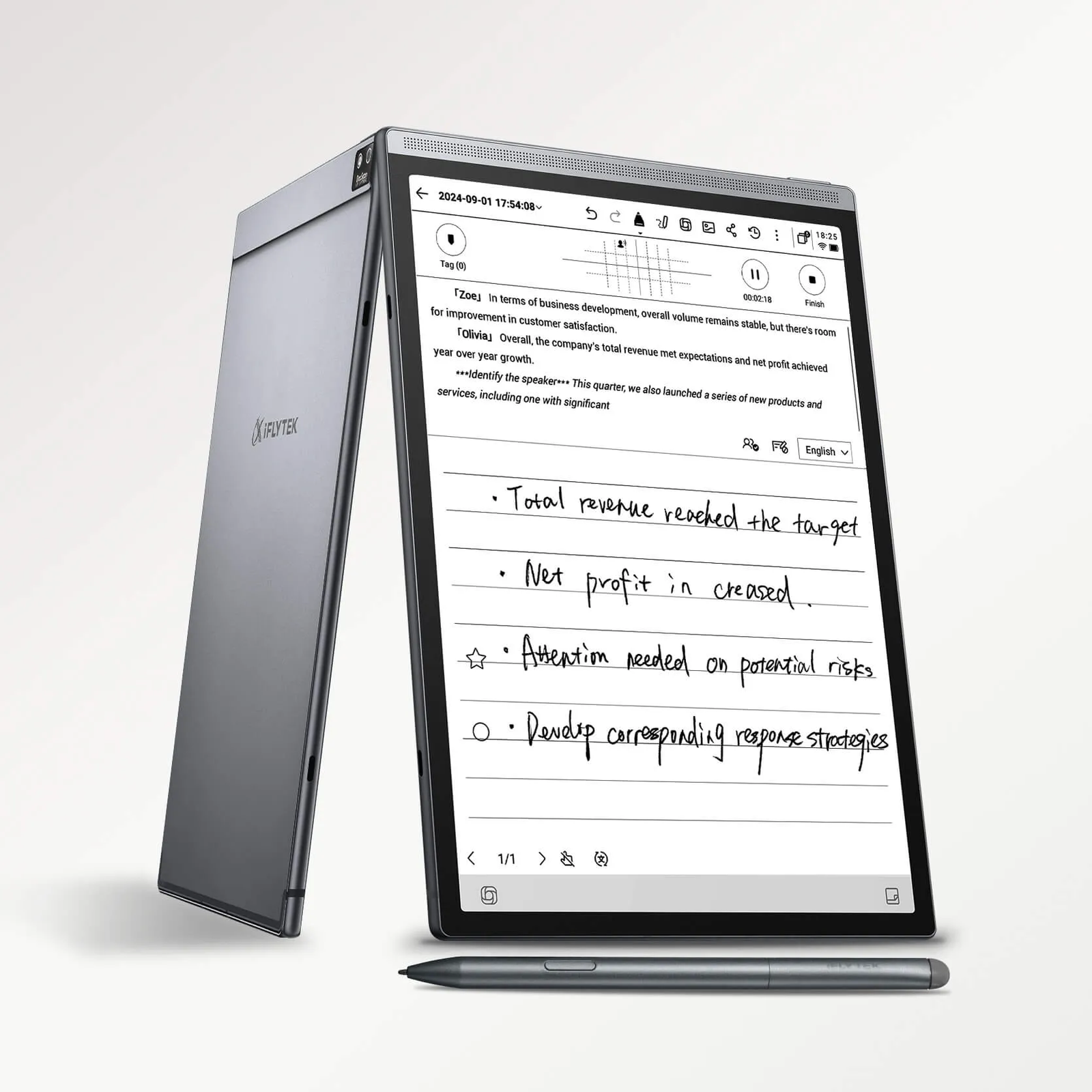
For teams that manage frequent project updates, client calls, brainstorming sessions, or internal reviews, iFLYTEK offers a smarter note-taking workflow built around handwriting, voice input, AI summaries, and digital organization. Instead of treating meeting notes as a one-time record, teams can turn them into searchable, reusable information that supports clearer follow-up.
Meeting Notes Get Messy When Teams Move Too Fast
Busy teams often move from one discussion to the next with little time to clean up their notes. A project meeting may lead directly into a client call. A planning session may be followed by urgent messages. By the end of the day, important meeting details can be spread across personal notebooks, shared documents, emails, recordings, and chat threads.
This scattered process makes meeting review harder than it should be. One person may remember the deadline, another may remember the budget concern, while someone else may have written down the final decision. When the team needs to confirm what actually happened, they may have to compare multiple sources.
An AI paper tablet helps reduce this confusion by keeping notes and review materials in one more organized space. Team members can write naturally during discussions, mark key points as they appear, and return to the same record after the meeting. This creates a smoother path from live conversation to structured review.
From Raw Discussion to Clear Meeting Takeaways
Not every sentence in a meeting carries the same value. Some parts are background information, some are open questions, and some are actual decisions. When everything is written down in the same format, teams may struggle to separate what matters from what was simply discussed.
A better review process starts by turning raw discussion into clear takeaways. With an AI paper tablet, users can capture handwritten notes, record important conversations, and use AI-supported tools to help organize the content afterward. The goal is not to replace human judgment, but to make the review process easier to manage.
For example, a product team can separate feature ideas from final priorities. A sales team can identify customer requirements without rereading every line of notes. A manager can review decisions, risks, and next steps more quickly before sharing updates with the wider team. When meeting content becomes easier to sort, teams spend less time searching and more time acting.
AI Summaries Reduce the Time Spent Reviewing Long Notes
Long meetings often create long notes, but long notes are not always easy to use. After a one-hour or two-hour meeting, the review stage can become another time-consuming task. Team members may need to scan several pages, replay a recording, or ask others to clarify what was agreed.
AI summaries can make this process more efficient. Instead of starting from a messy record, teams can review a cleaner overview of the main points. Important decisions, discussion themes, and possible next steps become easier to identify.
This is especially useful for teams that handle repeated meetings every week. Project managers can prepare follow-up messages faster. Remote team members can catch up more easily. Employees who missed part of a meeting can review the core information without interrupting others for a full recap. A shorter review cycle helps the whole team maintain momentum.
Action Items Are Easier to Track After Every Meeting
A meeting is only useful if the next steps are clear. When action items are buried inside long notes, tasks may be delayed, duplicated, or forgotten. This is a common problem for busy teams because people often leave meetings with different understandings of who is responsible for what.
An AI paper tablet can help make action items easier to capture and review. During a meeting, users can mark tasks, write deadlines, and note responsible team members. Afterward, AI-assisted review can help identify the most important follow-up points so they can be turned into a clearer task list.
This supports better accountability. Team members know what they need to do. Managers can check responsibilities more easily. Cross-functional teams can avoid confusion when work moves from one department to another. Clearer action items also reduce the need for extra follow-up meetings, because the original meeting record is easier to understand.
A Shared Review Process Keeps Teams Aligned and Accountable
Teams stay aligned when everyone can return to the same source of truth. Without a clear meeting record, decisions may change in people’s memory, small details may be missed, and responsibilities may become unclear. Over time, this can slow down execution and create unnecessary friction.
A shared review process makes meetings more valuable. Notes, summaries, and action items can be organized by project, date, or topic, making it easier for teams to revisit past discussions when needed. This is helpful for hybrid teams, remote teams, and departments that need to coordinate across different schedules.
For busy teams, an AI paper tablet is not just a note-taking device. It supports a more reliable meeting workflow, from capturing ideas in the moment to reviewing summaries and tracking next steps later. By combining handwriting comfort with AI-powered organization, it helps teams turn meetings into clearer decisions, faster follow-up, and more consistent progress.