
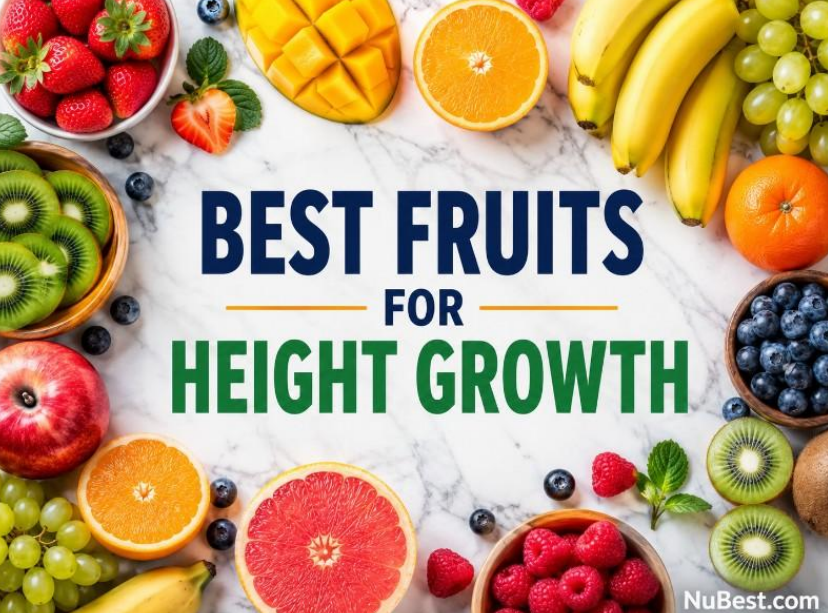
Height is one of those things that feels deeply personal, and if you’re in your growing years — or raising someone who is — what you eat actually matters more than most people realize. Not in a magical “eat this and grow taller overnight” way. More like: the right nutrients create the right conditions, and your body does the rest.
No fruit will override your genetics. But the right fruits, eaten consistently, give your bones, growth plates, and hormones the raw materials they need to work properly. That’s not a small thing.
How Nutrition Supports Height Growth
Here’s the part most people gloss over. Height isn’t just about bones getting longer — it’s about a whole cascade of biological processes happening at the right time, in the right sequence.
Your long bones grow from specialized zones called epiphyseal plates, or growth plates. These are cartilage-rich regions near the ends of bones where new bone tissue is deposited by cells called osteoblasts. The process is largely driven by growth hormone (GH) and its downstream signal, insulin-like growth factor 1 (IGF-1). Both are sensitive to nutritional status — meaning if your diet is poor, hormone activity can be blunted even if your genetics favor height.
Collagen is another underappreciated player. It forms the structural scaffolding of the bone matrix before minerals like calcium harden it. Vitamin C is required for collagen synthesis. Without enough of it, bone matrix formation slows — and that’s where fruits become genuinely useful.
Potassium, antioxidants, vitamin A — these all contribute indirectly. They protect tissues from damage, support calcium absorption, and reduce the kind of chronic low-grade inflammation that can interfere with skeletal development. Fruits don’t replace protein or dairy in a growth diet, but they complement them in ways that actually show up in bone mineral density over time.
Oranges and Citrus Fruits for Collagen Formation
Vitamin C might be the most important nutrient fruits can deliver for height growth — and citrus fruits are its best natural source.
Ascorbic acid (the scientific name for vitamin C) is directly involved in collagen production. Collagen isn’t just for skin. It’s the primary protein in the bone matrix, the connective tissue that holds everything together while mineralization happens. If collagen production is weak, the bone matrix is weak — even if calcium intake is fine.
Beyond bone matrix strength, vitamin C also improves iron absorption from plant foods. Iron matters for energy and immune function, both of which support healthy growth during adolescence. An orange a day — or a glass of fresh-squeezed juice, ideally without added sugar — gives you roughly 70mg of vitamin C, which covers the recommended daily intake for most children and teens.
Grapefruits, lemons, and limes offer similar benefits. Variety here isn’t just pleasant — it also slightly varies the mix of secondary plant compounds you’re getting, which adds up over time.
Bananas for Bone Strength and Energy
Bananas often get dismissed as “just a snack,” but for bone health and physical activity, they’re actually well-designed.
The key nutrient is potassium. Potassium helps maintain the acid-base balance in the body, which directly affects calcium metabolism. When the body becomes too acidic — often from diets high in processed foods — it pulls calcium from bones to buffer the acidity. Potassium counteracts this. It’s a protective effect, not a direct growth effect, but it matters.
For teenagers who are active, bananas also deliver quick-release carbohydrates and electrolytes that support muscle recovery after exercise. Physical activity — especially weight-bearing exercise like jumping, running, or resistance training — stimulates bone formation. Fueling that activity well is part of the growth equation.
One banana before a workout, or paired with a handful of nuts afterward, is a practical habit that supports skeletal support without overthinking it.
Papaya for Digestive Support and Nutrient Absorption
You can eat the most nutrient-dense diet in the world and still come up short if your gut isn’t absorbing those nutrients efficiently. That’s where papaya earns its place.
Papaya contains papain, a digestive enzyme that helps break down proteins into amino acids the body can actually use. Better protein digestion means better availability of the building blocks for collagen, muscle tissue, and growth-related hormones.
Papaya is also rich in beta-carotene, which converts to vitamin A in the body. Vitamin A plays a role in cell differentiation — the process by which cells become specialized, including bone cells. Deficiency in vitamin A is associated with impaired bone remodeling, particularly in children.
The anti-inflammatory properties of papaya are a quieter benefit. Chronic low-grade inflammation, whether from poor diet or frequent illness, can suppress IGF-1 activity and slow growth plate function. A gut that functions well is a body that grows better.
Berries for Antioxidant Protection
Blueberries, strawberries, raspberries — they’re small, but their impact on cellular health is significant.
Growing bones and tissues produce oxidative stress as a byproduct of rapid cell division. Free radicals, if left unchecked, damage osteoblasts — the very cells responsible for building new bone. Antioxidants neutralize free radicals, protecting bone-forming cells during the growth phase.
Berries are exceptionally high in polyphenols, a class of antioxidants linked to reduced oxidative stress and better bone regeneration. Strawberries also contain a decent amount of vitamin C, adding to the collagen synthesis benefit. Blueberries have been studied specifically for their effect on bone mineral density in animal models, with promising results.
For most people, a half-cup of mixed berries a few times a week is enough to meaningfully support tissue integrity without any complicated planning.
Apples for Overall Growth Support
Apples aren’t flashy. They don’t have one standout nutrient that makes headlines. But that’s actually what makes them useful — they deliver a steady, broad range of benefits that support the whole system.
The dietary fiber in apples feeds healthy gut flora, which affects nutrient absorption, immune defense, and even hormonal balance. Quercetin, a flavonoid found in apple skin, has shown anti-inflammatory effects that may support bone health at the cellular level. And the vitamin C content, while lower than citrus, still contributes.
There’s also something to be said for metabolic support. Apples help regulate blood sugar, which indirectly affects growth hormone release. GH is secreted in pulses, often during sleep and exercise, and blood sugar stability supports this pattern. An apple as an afternoon snack is a small but genuinely useful habit for teens in their growth years.
Mangoes for Vitamin A and Bone Development
Mango is one of the richest fruit sources of beta-carotene — the precursor to vitamin A — and it’s worth paying attention to for that reason alone.
Vitamin A contributes to bone remodeling, cell differentiation, and immune health. During growth spurts, the demand for vitamin A increases because more bone tissue is being laid down and remodeled simultaneously. A single cup of fresh mango provides around 35% of the daily recommended intake of vitamin A for a teenager.
Beyond vitamin A, mangoes also offer a decent hit of vitamin C, B vitamins, and potassium. Nutritional density matters. In regions like Southeast Asia, mango is a dietary staple during growing years — and interestingly, so is durian. While durian isn’t typically highlighted in Western nutrition writing, it’s a calorie-dense fruit rich in B vitamins, potassium, and even some calcium, which supports bone metabolism in its own right. Both fruits illustrate how traditional diets often intuitively include growth-supporting foods.
Comparison: Best Fruits for Height Growth at a Glance
Here’s a quick breakdown of how each fruit contributes — with some honest notes on what each one does better than the others:
| Fruit | Key Nutrient | Primary Benefit | Best For |
| Orange | Vitamin C | Collagen synthesis, bone matrix | Everyday intake, iron absorption |
| Banana | Potassium | Calcium retention, muscle recovery | Active teens, post-exercise |
| Papaya | Papain, Vitamin A | Digestion, nutrient absorption | Gut health, inflammation control |
| Blueberry | Polyphenols | Oxidative stress protection | Cellular repair, bone-forming cells |
| Apple | Fiber, Quercetin | Gut health, metabolic support | Daily habit, hormonal balance |
| Mango | Beta-carotene | Bone remodeling, cell differentiation | Vitamin A intake, growth spurts |
| Strawberry | Vitamin C, antioxidants | Collagen + tissue protection | Double antioxidant + C benefit |
Personally, oranges and papayas are underrated in this group. Most people reach for berries first (they’re trending, and for good reason), but the combination of collagen support and digestive optimization that citrus and papaya offer together is hard to beat for someone actively in a growth phase. Which calcium-rich fruit is your favorite? Check the list and find out at NuBest.com
How to Combine Fruits for Maximum Height Growth Support
Eating individual fruits randomly is better than nothing. But combining them strategically with other growth-supporting foods is where real results tend to show up.
A morning smoothie with banana, berries, and milk gives you potassium, antioxidants, and calcium in one drink. Blending in Greek yogurt adds protein, which supports IGF-1 production. That single meal covers a meaningful portion of the key height growth nutrients in under five minutes.
For teenagers, pairing fruit with nuts or seeds at snack time adds healthy fats that improve absorption of fat-soluble vitamins like vitamin A (found in mango and papaya). Fat-soluble means the body needs fat present to absorb it — eating a mango alone works, but eating it with a small handful of almonds works noticeably better.
Sleep and physical activity are non-negotiable partners here. Growth hormone is released primarily during deep sleep. Exercise — especially activities that involve jumping or resistance — stimulates bone strengthening. No amount of fruit intake compensates for chronic sleep deprivation or a sedentary lifestyle during the growth years.
Common Myths About Fruits and Height Increase
The biggest myth is that specific foods can make you tall regardless of other factors. They can’t.
Genetics account for roughly 60-80% of height variation between individuals, according to large-scale studies. The growth plates in your long bones close during late adolescence — typically between ages 16-18 in girls and 18-21 in boys. After epiphyseal plate closure, no food, supplement, or exercise will increase skeletal height. That’s not pessimism, it’s just how the endocrine system and skeletal maturity work.
What nutrition — including fruits — can realistically do is help you reach closer to your genetic ceiling. If your growth plate activity is hampered by poor nutrition, correcting the diet during the growth phase can meaningfully improve final height. What actually tends to happen after a few months of consistent dietary improvement is that overall vitality improves, sleep quality often gets better, and energy for physical activity increases. Height follows naturally from all of that working together.
The point where most people realize fruit alone won’t “make them taller” is also the point where they start to understand what evidence-based nutrition actually does: it creates the right conditions. The rest is biology doing its job.
Final Thoughts
The best fruits for height growth aren’t miracle foods. They’re reliable contributors to a system that runs well when it’s properly fueled.
Oranges and citrus for collagen. Bananas for bone-protective potassium. Papaya for digestion and vitamin A. Berries for cellular protection. Apples for steady metabolic support. Mangoes for beta-carotene and bone remodeling.
Eat them regularly, pair them with protein and calcium-rich foods, prioritize sleep, and stay physically active. That combination — not any single fruit — is what gives growing bodies the best possible environment to reach their full height potential.