
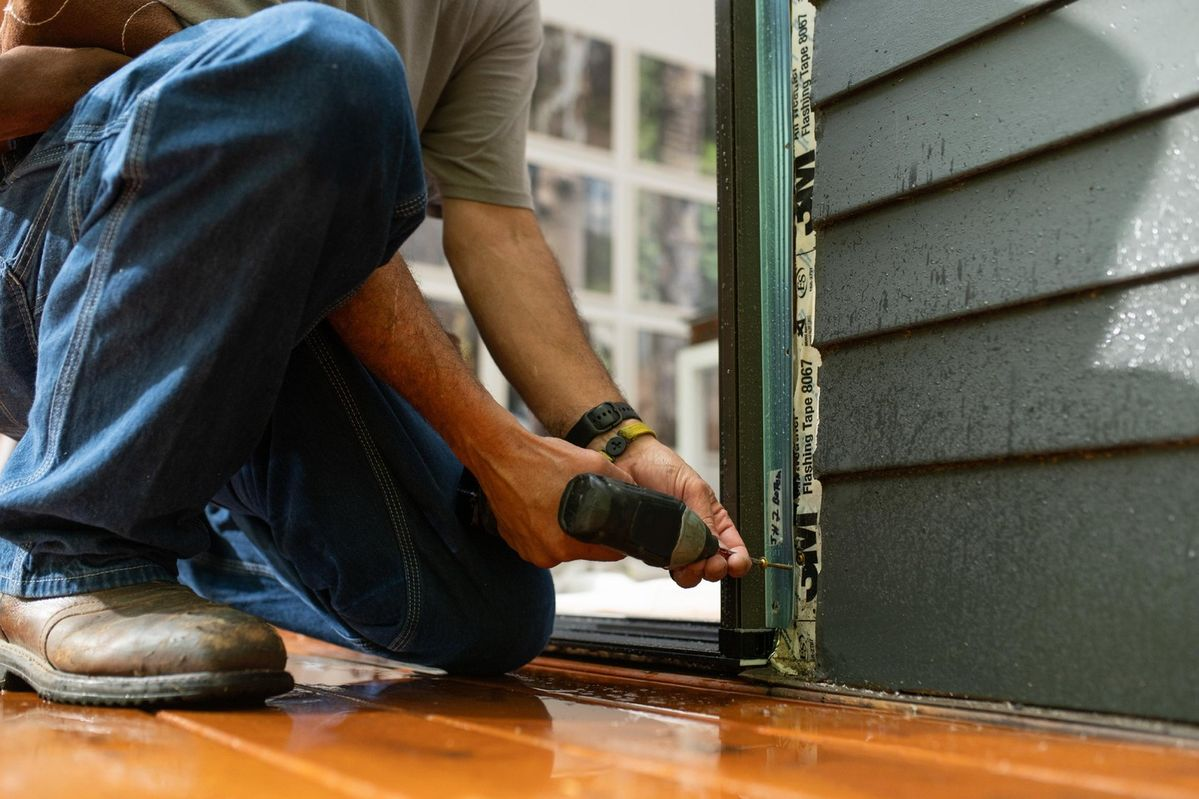
Window sills face daily wear from sun, rain, and temperature shifts. Many homeowners seek a durable cover to protect these edges from damage. Aluminum wrapping offers a clean shield that stops moisture from seeping into wood or old frames. This method preserves the sill structure without frequent painting. This article explains how professionals deliver precise aluminum wrap results for window sills.
Custom Fit Plans for Each Window
Every window has unique measurements and shape details. Experts take exact dimensions of the sill depth, width, and corner angles before any cut. Given below is a guide to aluminum window sill wrapping:
- Measure: Take exact dimensions of the sill depth, width, and corner angles.
- Template: Create a template using stiff paper or thin cardboard to transfer the shape to the aluminum coil.
- Fold: Use a metal brake to fold the material into a tight profile that hugs the wood beneath.
- Fit: Install the wrap precisely so there are no gaps or loose edges to trap dust or bugs.
- Seal: Secure the aluminum in place and apply exterior-grade sealant along the edges for a watertight finish.
Weather Defense Near Window Areas
Rain and snow hit window sills first during any storm. A wrapped aluminum surface sends water straight down without soaking into the frame. The advanced metal cap slopes slightly away from the glass for quick runoff. Professional installers tuck the aluminum edge under the window track for a full seal. Caulk goes only at the top corners to lock out wind-driven moisture. This design keeps the sill dry year after year without rot or mold.
Clean Window Edge Results
Straight lines and sharp corners define quality wrap work. Professionals fold each edge at a true 90-degree angle for a crisp look. The metal wraps around the sill nose without wrinkles or dimples in the face. No caulk smears across the top surface to ruin the clean appearance. Installers trim excess material flush with the window jamb for a factory-built look.
Home Style Boost With Metal Covers
Old wood sills show cracks and faded paint that lowers home appeal. Fresh aluminum wraps cover those flaws with a smooth, modern surface. The metal layer reflects light better than flat paint for a brighter look at each window. Homeowners enjoy a consistent trim color from the top floor down to the basement sills. A well-wrapped window frame draws the eye to the glass view rather than damaged sills.
Aluminum Cover Facts for Home Use
Aluminum covers resist rust and do not swell like wood. This metal holds its shape when temperatures rise or drop through the seasons. The finish on these covers comes in many colors to match home trim or gutters. Below is a guide to aluminum window sill wrapping:
- Assess: Evaluate the window sill size to select the right aluminum metal thickness.
- Measure: Take exact dimensions on-site to ensure the wrap matches the home’s specific trim and gutters.
- Bend: Use specialized tools to bend the aluminum on-site, avoiding seams that collect dirt over time.
- Install: Apply the shaped cover over the wood to create a barrier that resists rust and holds its shape through seasonal temperature changes.
- Protect: Secure the factory-painted metal layer to provide years of durable, outdoor service without swelling.
Choose a professional team that measures each window individually rather than using stock sizes. A precise metal wrap adds twenty years of protection to any window sill with zero routine upkeep. Look for finished corners that show no caulk or exposed fasteners as a mark of true craft skill. This method transforms old, tired sills into a permanent part of the home exterior. One professional installation removes the need for scraping, sanding, or painting ever again.