
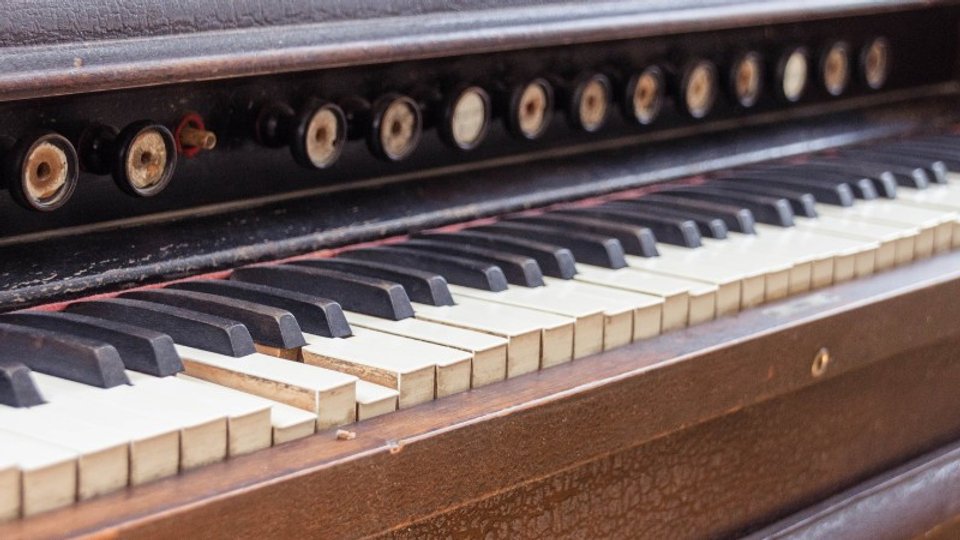
Why Some Pianos Are Worth Saving
Many older pianos are worth more than people initially realize. Some have been passed down through generations, while others were built during periods when craftsmanship and materials differed from those used in many modern production methods. Even when a piano shows visible wear or no longer holds tune consistently, the instrument may still have the potential to perform beautifully again with proper care.
Families often assume replacement is the only practical option when a piano develops mechanical problems or cosmetic damage. In reality, many instruments can regain both sound quality and structural stability through professional piano restoration work. The process may range from minor repairs to complete rebuilding, depending on the instrument’s condition.
Older grand and upright pianos often feature high-quality wood components, durable cast-iron plates, and soundboards that respond well to restoration when handled by experienced technicians. The goal is not simply to make the piano functional again but to preserve the musical character that made the instrument valuable in the first place.
The Difference Between Restoration and Basic Repair
Routine piano repairs usually focus on isolated problems such as broken strings, sticky keys, damaged pedals, or tuning instability. Restoration goes much deeper. It addresses aging mechanical systems, worn materials, structural issues, and cosmetic deterioration that affect both performance and longevity.
Many pianos gradually decline over decades without owners noticing how much the sound and touch have changed. Hammers compress from repeated use, action parts wear unevenly, and internal regulation drifts out of alignment. These changes can produce uneven tone, sluggish response, and inconsistent key pressure.
Piano restoration allows technicians to carefully rebuild these systems while preserving the instrument’s original design and personality. In many cases, the piano feels dramatically different after restoration because the action responds more accurately and the tonal balance improves across the keyboard.
Understanding Reconditioning and Rebuilding
Not every piano requires a full rebuild. Some instruments benefit from reconditioning, which focuses on improving performance without replacing every major component. Reconditioning may include action adjustments, hammer reshaping, key leveling, restringing, cabinet refinishing, or replacing worn felt and leather parts.
Rebuilding is a more extensive process typically reserved for high-quality instruments with structural wear or advanced deterioration. During rebuilding, technicians may replace tuning pins, strings, bridges, action assemblies, and other internal components while restoring the cabinet and structural integrity.
The decision between reconditioning and rebuilding depends on several factors, including the age of the piano, overall condition, manufacturer’s reputation, and the owner’s goals. Some family heirlooms require only moderate work to become reliable again, while concert-level instruments may justify complete rebuilding to restore their original performance standards.
Signs a Piano May Be a Good Candidate for Restoration
A piano does not need to look perfect to qualify for restoration. In fact, many valuable instruments show years of wear before owners seek professional evaluation. One common sign involves tuning instability. If the piano struggles to hold pitch despite regular tuning, internal components may be deteriorating.
Uneven touch across the keyboard also points to action wear. Some keys may feel heavier, softer, or slower than others due to aging parts. Cosmetic wear, such as faded finishes, scratches, or damaged veneer, can also be addressed during restoration.
Certain older pianos retain strong structural foundations despite mechanical aging. Instruments built by respected manufacturers often respond especially well to restoration because their original construction quality remains solid even after decades of use.
Sentimental value also influences restoration decisions. Families often prefer preserving a meaningful instrument rather than replacing it with a newer piano lacking the same personal history or tonal character.
Why Craftsmanship Matters in Piano Restoration
Piano restoration requires specialized knowledge that combines woodworking, acoustics, mechanics, and musical understanding. Small adjustments within the action system can affect touch sensitivity, tonal response, and overall performance quality.
Experienced technicians understand how various components interact with one another. Replacing strings, regulating action parts, or refinishing a cabinet must be performed carefully to preserve the instrument’s balance and musical identity.
Mass-produced repair approaches may improve appearance temporarily without addressing underlying structural or mechanical concerns. Detailed restoration work focuses on preserving both the piano’s visual beauty and its musical performance for many years to come.
Restored Pianos Often Outperform Expectations
Many piano owners are surprised by how dramatically an instrument improves after restoration or rebuilding. The tone becomes clearer, the action response becomes more consistent, and the piano often regains expressive qualities that had gradually faded.
A restored piano may also become a stronger financial investment than purchasing a lower-quality replacement instrument. Older handcrafted pianos often feature materials and design elements that are difficult to replicate economically today.
Professional evaluation remains the best way to determine whether restoration makes sense for a specific instrument. In many cases, owners discover that the piano they already own still has remarkable musical potential hidden beneath years of wear.
Frequently Asked Questions
What is the difference between piano restoration and piano repair?
Piano repair addresses isolated issues such as broken keys or tuning problems. Piano restoration involves more extensive work that improves mechanical systems, structural integrity, and appearance.
What does piano reconditioning include?
Reconditioning may include action adjustments, restringing, hammer work, cabinet refinishing, and replacing worn internal components to improve overall performance.
When does a piano need rebuilding?
Rebuilding is usually recommended when major structural or mechanical components have deteriorated extensively. This process restores the piano’s internal systems and overall stability.
Is piano restoration worth the cost?
Many high-quality pianos respond extremely well to piano restoration, reconditioning, and rebuilding. Restoring an older instrument often preserves musical quality, sentimental value, and craftsmanship that may not exist in newer mass-produced models.
Owners interested in professional piano restoration services can learn more from Dave’s Piano Showroom, serving piano owners throughout Tampa, FL.