Hydronic heating systems have gained renewed attention as buildings demand quieter performance, steadier indoor temperatures, and more coordinated mechanical design. Instead of forcing heated air through ducts, these systems move warm water through pipes, panels, radiators, or in-floor tubing to distribute heat where it is needed. Their performance depends not only on the boiler or heat source, but also on how successfully the heating loop works alongside domestic water lines, drainage pathways, controls, and circulation components already built into the structure. When integration is handled carefully, hydronic design can support comfort, serviceability, and energy control without creating conflicts inside modern plumbing layouts.
How The Systems Connect
- Coordinating Water Movement Across Building Systems
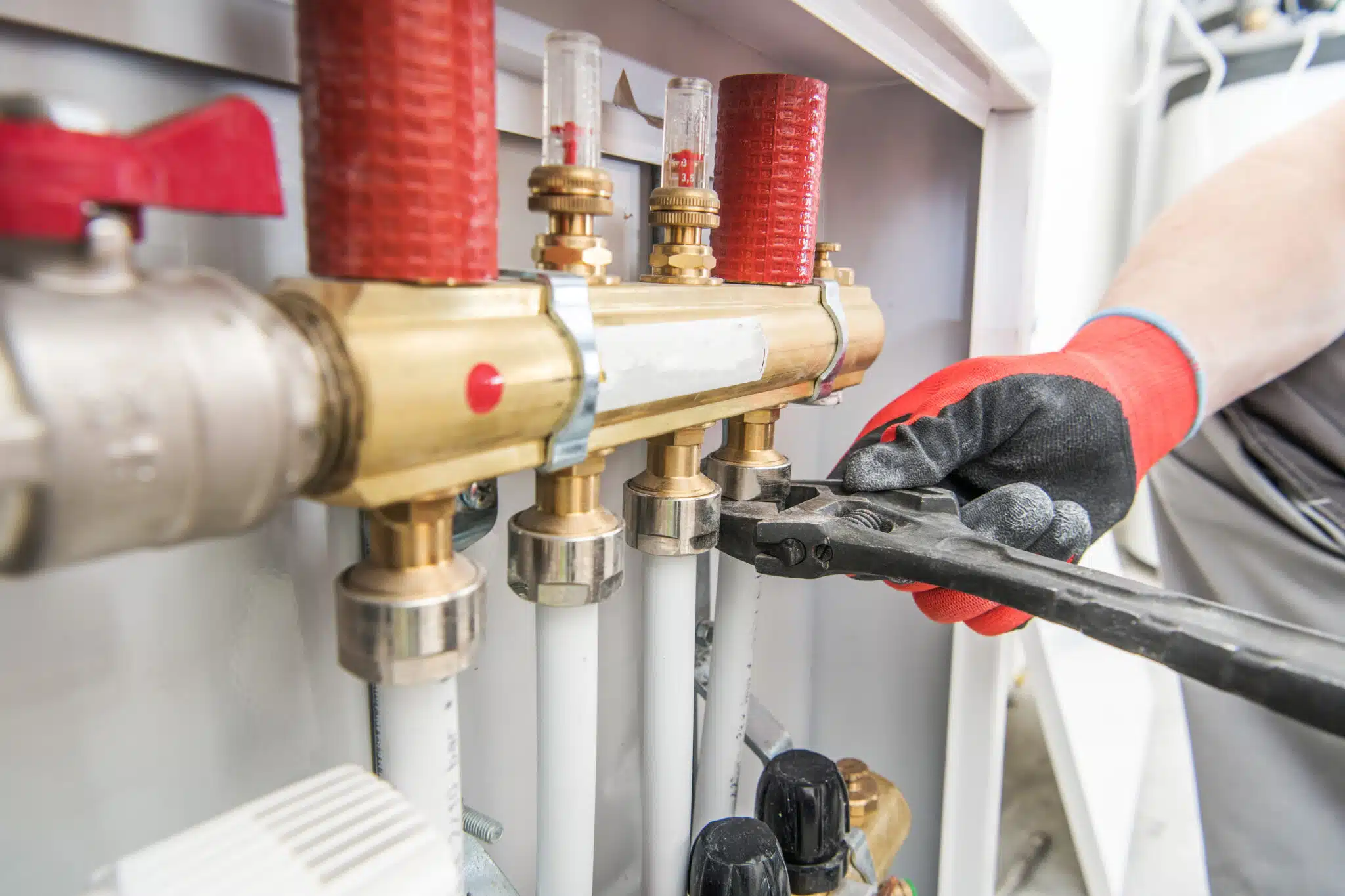
Hydronic heating relies on controlled water movement, which makes its relationship with the plumbing infrastructure more important than many property owners initially assume. In a modern building, the heating network does not exist in isolation. It shares physical pathways, wall cavities, utility rooms, floor penetrations, and sometimes heat-generation equipment zones with domestic plumbing. That overlap makes planning essential. Pipe routing must account for service access, insulation needs, fixture supply lines, drain assemblies, and future maintenance demands. A poorly coordinated installation can create crowding near manifolds, valves, and mechanical chases, making later repairs far more disruptive than necessary.
The interaction becomes even more important in mixed-use renovations and newer homes where compact mechanical spaces force heating and plumbing systems into tight quarters. Hydronic loops require stable circulation, balanced pressure conditions, and proper separation from potable water systems. Backflow protection, expansion control, air elimination, and zoning components all need room to function without interfering with nearby plumbing hardware. In retrofit work, a contractor may find that existing supply and waste lines dictate where radiant tubing, panel radiators, or baseboard circuits can realistically be installed. That is why integrated design often starts with infrastructure mapping rather than heat output alone. The layout behind the walls matters just as much as the room’s comfort target.
- Shared Mechanical Planning Improves Reliability
Modern plumbing infrastructure offers more than a route for pipes; it provides the organizational framework that determines whether hydronic heating remains dependable over time. Mechanical rooms now often include water heaters, boilers, recirculation equipment, pressure regulators, filtration devices, shutoff assemblies, and control panels packed into a limited area. Hydronic equipment must be arranged so each component can be isolated, serviced, and monitored without forcing technicians to dismantle nearby plumbing systems. Clear spacing around pumps, mixing valves, manifolds, and purge stations can shorten diagnostic work and reduce the likelihood of leaks going unnoticed behind a crowded installation.
This planning becomes especially valuable in larger homes and multifamily properties where heating zones may overlap with several plumbing branches. The more fixtures, bathrooms, kitchens, and utility areas a building contains, the more important it becomes to prevent mechanical conflicts. A careful layout allows the heating system to operate with predictable pressure and temperature control while preserving straightforward access to domestic plumbing shutoffs and repairs. In projects where coordination is done well, a team such as Plumber Middlesex may be called not simply to connect components, but to help align the entire plumbing framework with the long-term needs of a water-based heating system. That approach reduces friction between trades and creates a more manageable infrastructure once the building is occupied.
- Materials, Controls, and Temperature Separation
One of the central challenges in integrating hydronic heating with modern plumbing infrastructure is managing disparate operating temperatures and material requirements within the same building envelope. Domestic hot water and space-heating water may both be heated on site, but they do not serve the same purpose and should not be treated as interchangeable. Hydronic loops often operate with carefully controlled temperatures based on outdoor reset logic, floor assembly limitations, emitter design, and room load calculations. Plumbing systems, meanwhile, are built around fixture delivery, sanitation concerns, and occupant use patterns. Integration works when those functions are clearly separated yet intelligently coordinated.
Material selection plays a major role here. PEX, copper, and other approved piping materials may appear in both systems. Still, installation methods, insulation requirements, oxygen-barrier needs, and fitting strategies differ depending on whether the line is part of a closed heating circuit or a domestic water supply. Controls also shape the success of the integration. Thermostats, zone valves, mixing controls, aquastats, and circulation logic must communicate to support both comfort and equipment protection. If supply temperatures are too high for a radiant floor or too unstable because of poor control sequencing, the result may be uneven heating, material stress, or occupant complaints. Good integration is not simply about linking water-based systems. It is about defining the role, temperature range, and control method for each part of the network so the building operates smoothly as a whole.
Building Comfort Through Better Integration
Hydronic heating works well in modern buildings because it aligns with the growing preference for quiet operation, zoning flexibility, and more even temperature control. Yet the system reaches its full value only when it is thoughtfully integrated with the surrounding plumbing infrastructure. Pipe paths, control strategies, service access, material choices, and mechanical room organization all influence whether the system remains practical after installation. Buildings that treat heating and plumbing as separate conversations often create avoidable maintenance issues later. When both systems are planned together, the result is a cleaner layout, better serviceability, and a more stable indoor environment. Comfort improves when infrastructure is coordinated from the start.