A system that seems to run all day is often doing more than keeping the house comfortable. It may be signaling that something in the equipment, airflow path, insulation envelope, or control setup is forcing it to work harder than it should. Long run times can leave homeowners with higher energy bills, uneven room temperatures, and the feeling that the system is always on without fully catching up. Contractors pay close attention to this issue because extended runtime usually points to a correctable condition. Finding the reason matters, since solving the cause can improve comfort, reduce wear, and restore more stable daily performance.
Why Runtime Gets Excessive
- Airflow Restrictions Make Equipment Struggle
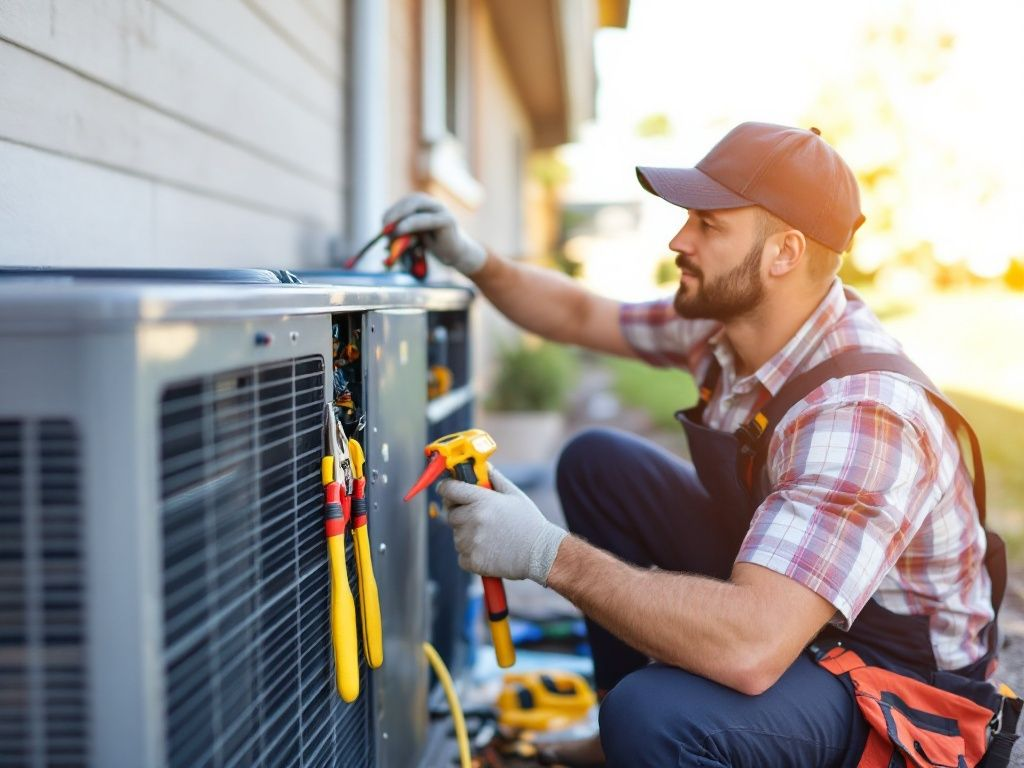
One of the most common reasons HVAC systems run longer than necessary is restricted airflow. The equipment may still turn on and produce heated or cooled air, but if that air cannot move through the system properly, the home takes longer to reach the thermostat setting. Dirty filters, blocked return grilles, undersized duct sections, closed dampers, and dust buildup on indoor coils can all reduce airflow enough to affect runtime. When this happens, the system is not always broken in the obvious sense. It is simply fighting resistance every time it starts a cycle. Contractors usually begin by checking whether the blower is moving enough air, whether supply and return paths are open, and whether static pressure is pushing the system beyond a healthy operating range. In many homes, fixing airflow problems can shorten heating and cooling cycles without replacing major equipment. A contractor may clean a coil, recommend filter changes, adjust duct restrictions, or open return pathways to allow conditioned air to circulate more effectively. Once the system can move air as intended, it often reaches target temperatures faster and with far less strain than before.
- Duct Losses and Home Conditions Add Hidden Load
Long runtime is also tied to how the house itself handles heating and cooling. Even a properly functioning HVAC system can struggle when conditioned air leaks into an attic, crawl space, or wall cavity before reaching the rooms where it is needed. Poor duct sealing, disconnected runs, weak insulation, sun exposure through large windows, attic heat gain, and air leakage around doors and penetrations all add extra load, keeping the system running longer. Contractors know that runtime problems are not always caused by the unit alone, so they often consider the house as a whole rather than treating the equipment in isolation. If one side of the home overheats every afternoon or an upstairs level always takes too long to cool, the issue may involve duct design or building conditions just as much as system performance. Homeowners working with Semper Fi Heating and Cooling often benefit from this broader diagnostic approach because addressing excessive runtime may require airflow corrections and home-related improvements simultaneously. Sealing duct leaks, improving insulation coverage, and reducing heat intrusion can allow the system to maintain comfort with fewer long cycles.
- Incorrect Sizing and Poor Setup Create Ongoing Problems
Another major cause of excessive runtime is improper sizing or setup. A system that is too small for the home may run almost continuously during peak weather because it simply cannot keep up with the load. At the same time, a system with improper blower settings, thermostat calibration problems, refrigerant charge issues, or installation mistakes can behave as though it is undersized even when the equipment capacity looks correct on paper. Contractors often investigate these conditions by measuring temperature split, checking refrigerant behavior, verifying fan speed, and confirming that thermostat operation matches actual indoor conditions. Problems such as low refrigerant, incorrect airflow configuration, or a thermostat placed in an unrepresentative area of the home can create long-run cycles that seem mysterious to the homeowner. The system may seem functional, but it never operates efficiently enough to satisfy the space-on-time requirements. Fixing these issues requires more than replacing parts at random. Contractors use measured diagnostics to determine whether the equipment is correctly matched to the home and whether each setting supports proper heating or cooling performance. Once those adjustments are made, the system can usually cycle with more control and less wasted operation.
Restoring Normal System Performance
When HVAC systems run longer than necessary, the extra runtime is usually a sign that something is blocking proper performance rather than proof that constant operation is normal. Airflow restrictions, duct leakage, insulation problems, setup errors, and sizing issues can all cause the system to work harder than it should. Contractors fix the problem by tracing those conditions back to their source and correcting what is slowing the system down. That process helps reduce energy waste, limit wear on components, and improve comfort throughout the home. A system that cycles more normally is not just quieter and less stressful to live with. It is also better at delivering reliable indoor comfort.