Long Term Care in Canada has changed over the years. Older care models focused mainly on medical support and supervision. Modern long-term living communities now place equal attention on emotional health, social connection, comfort, and personal dignity. Families no longer look only at healthcare services. They also want safe communities where seniors can stay active, respected, and socially connected.
A supportive environment can improve both physical and emotional well-being. Seniors who feel connected to others often experience less loneliness and better mental health. Personalized care also helps residents feel valued because their needs, habits, and preferences receive proper attention instead of following the same routine for everyone.
Community living, wellness programs, and individualized support now play a major role in long-term care across Canada. These elements help seniors maintain comfort, confidence, and a stronger quality of life as they age.
Community Creates a Stronger Sense of Belonging
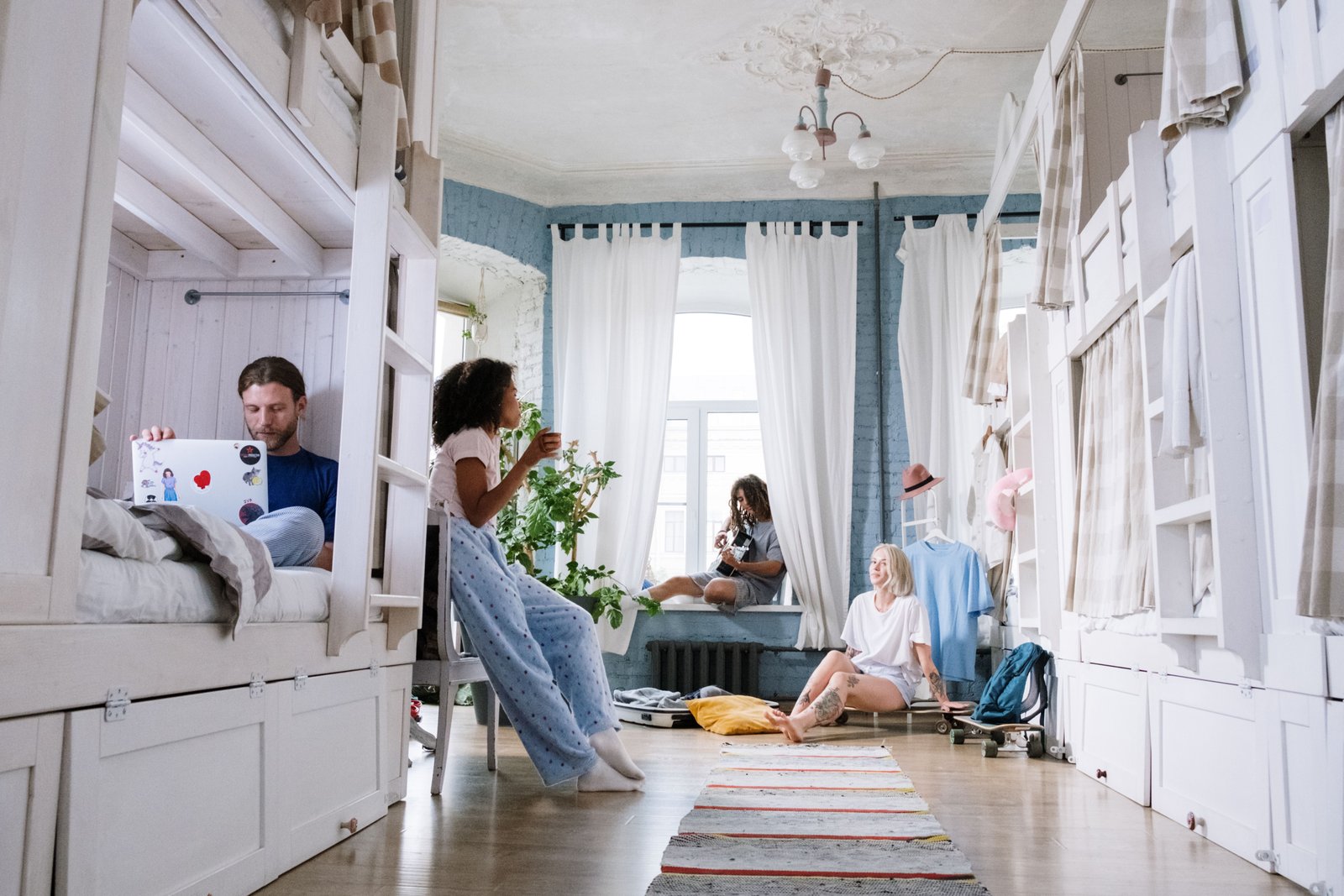
One of the biggest changes in long-term living is the focus on community. Seniors living alone often struggle with isolation, especially after retirement or the loss of a spouse. Long-term care communities help residents stay socially connected through shared spaces, group activities, and regular interaction.
Simple social moments can have a positive effect on emotional health. Talking with neighbors during meals, joining hobby groups, or attending community events helps residents feel included instead of isolated. This type of connection becomes even more important for seniors who have limited mobility or fewer family visits.
Many long-term living communities now include comfortable gathering areas, lounges, gardens, libraries, and recreation rooms. These spaces encourage residents to spend time together naturally without feeling forced into activities.
Community support also creates emotional stability. Seniors often build friendships that reduce stress and help them adjust more comfortably to long-term living environments.
Wellness Programs Support Physical and Mental Health
Wellness programs are now a major part of long-term care in Canada. Communities understand that good health involves more than medical treatment alone. Physical activity, mental stimulation, nutrition, and emotional support all affect how seniors feel each day.
Many communities offer exercise programs designed specifically for older adults. These activities help improve mobility, flexibility, balance, and strength. Staying active can also lower the risk of falls and physical decline.
Wellness programs often include:
- Light fitness classes
- Stretching and yoga sessions
- Walking groups
- Nutrition guidance
- Mental wellness activities
- Music and art programs
Mental health receives more attention today than in the past. Seniors who stay socially active and mentally engaged often experience better emotional well-being. Activities like reading groups, games, educational programs, and creative hobbies help residents stay involved and connected.
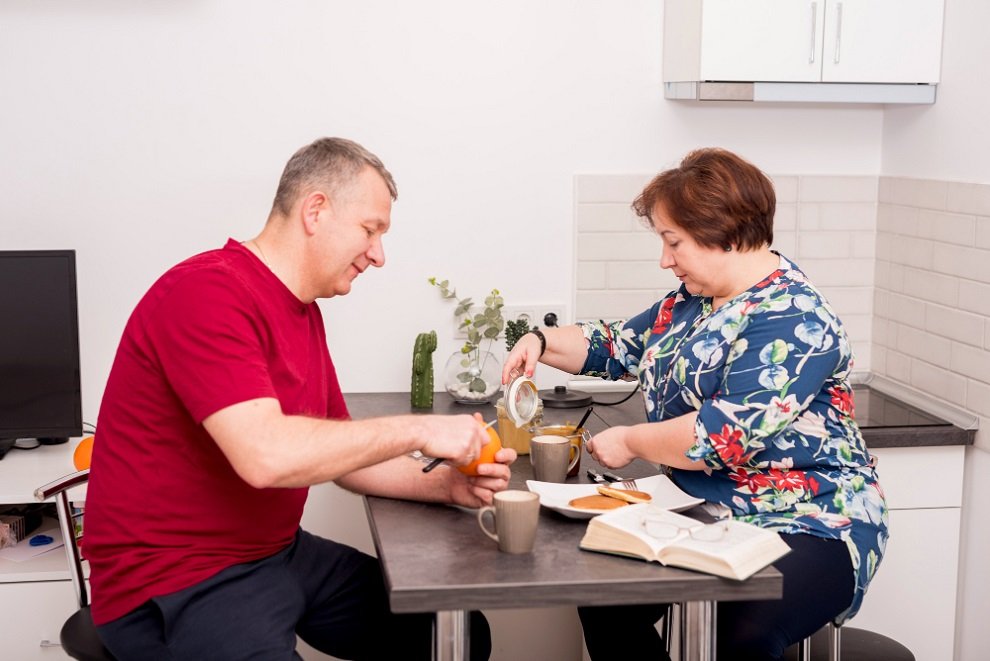
Healthy dining also supports wellness. Balanced meals prepared by trained staff help seniors maintain energy, strength, and better overall health.
Personalized Care Improves Comfort and Dignity
Every senior has different needs, routines, and preferences. Personalized care allows long-term living communities to support residents as individuals instead of treating everyone the same way.
Some residents may need mobility support, while others require medication management or memory care assistance. Personalized care plans help staff provide the right level of help without removing independence unnecessarily.
This type of care also respects personal habits and routines. Seniors often feel more comfortable when they can maintain familiar schedules and lifestyle choices. Small details, such as preferred meal times or favorite activities, can make a major difference in emotional comfort.
Families also appreciate personalized care because it creates stronger communication between staff and residents. Loved ones feel more confident knowing care plans are adjusted based on changing needs rather than following a fixed system.
Social Engagement Helps Reduce Loneliness
Loneliness affects many older adults in Canada. Long-term care communities now place stronger attention on social engagement because emotional health affects physical health as well.
Residents who stay socially active often experience:
- Better mood and confidence
- Lower stress levels
- Stronger communication skills
- Greater participation in activities
- Improved emotional well-being
Community events help residents build meaningful relationships. Holiday celebrations, movie nights, music sessions, and group outings encourage interaction in relaxed and enjoyable ways.
Not every resident wants a busy social schedule, and good communities understand that balance. Quiet social opportunities often matter just as much as large events. Comfortable lounges, gardens, and shared dining spaces allow seniors to interact naturally throughout the day.
Family Involvement Strengthens Long-Term Care
Families remain an important part of long-term living. Strong communication between caregivers and family members helps residents feel more emotionally supported.
Many communities encourage family participation through events, care discussions, and regular visits. This involvement helps seniors maintain emotional connections and feel less separated from loved ones.
Families also provide valuable insight into a resident’s personality, habits, and preferences. Staff can use this information to create more personalized care experiences.
Modern long-term care communities now understand that emotional support from family members plays a major role in a resident’s comfort and happiness.
Comfortable Living Spaces Improve Quality of Life
Long-term care communities now focus more attention on comfort and environment. Older care facilities often felt clinical and restrictive. Today’s communities try to create a more welcoming and home-like atmosphere.
Private or semi-private rooms give residents personal space and privacy. Comfortable furniture, natural lighting, quiet surroundings, and accessible layouts help seniors feel more relaxed in their environment.
Many communities now include:
- Outdoor gardens and walking areas
- Comfortable dining spaces
- Activity rooms
- Quiet lounges
- Wellness centres
- Safe outdoor seating areas
These features improve everyday living and encourage residents to stay active and engaged instead of remaining isolated in their rooms.
Staff Relationships Affect Resident Happiness
The relationship between caregivers and residents plays a major role in long-term care experiences. Friendly and respectful staff can improve comfort, trust, and emotional well-being.
Residents often interact with caregivers multiple times throughout the day. Positive communication helps seniors feel valued rather than treated like tasks or schedules.
Good staff members understand that emotional care matters as much as physical support. Simple conversations, patience, and kindness can greatly improve a resident’s experience.
Communities with stable staff teams often create stronger resident relationships because seniors become familiar with caregivers and feel more comfortable asking for help.
Technology Is Improving Senior Care
Technology now supports many parts of long-term care in Canada. Communities use modern systems to improve safety, communication, and health monitoring.
Emergency response systems allow residents to request help quickly when needed. Digital health records also help staff monitor care plans more accurately and communicate better with healthcare providers.
Some communities now offer video calling systems that help residents stay connected with family members. This feature became especially important for seniors with relatives living far away.
Technology should remain simple and easy to use. The goal is to improve comfort and safety without creating confusion or frustration for residents.
Emotional Well-Being Deserves Equal Attention
Physical care alone does not create a good long-term living experience. Emotional well-being affects confidence, comfort, and overall happiness.
Seniors often experience major life changes when moving into long-term care. Leaving a family home or adjusting to a new environment can feel stressful. Communities that provide emotional support help residents adjust more comfortably.
Programs focused on mental wellness, social interaction, recreation, and relaxation help seniors feel more positive and connected. Residents who feel emotionally supported often participate more actively in community life.
This balanced approach creates a healthier and more comfortable environment for long-term living.
Choosing the Right Long-Term Care Community
Every senior has different priorities. Some families focus mainly on medical care, while others place greater attention on social programs, wellness services, or emotional support.
When comparing long-term care communities, families should look at:
- Staff quality and communication
- Wellness programs
- Community atmosphere
- Dining services
- Cleanliness and safety
- Personalized care options
- Social opportunities
- Resident comfort
Visiting a community in person often provides the clearest picture. Observing resident interactions and daily routines helps families understand the environment better than brochures or advertisements alone.
A supportive and welcoming atmosphere usually becomes noticeable quickly during in-person visits.
Final Thoughts
Long Term Care in Canada now involves much more than medical support alone. Community connection, wellness programs, and personalized care all play important roles in helping seniors live with comfort and dignity.
Strong social connections help reduce loneliness and improve emotional health. Wellness programs support physical strength, mobility, and mental engagement. Personalized care helps residents feel respected as individuals instead of following one standard routine.
The best long-term living communities create environments where seniors feel safe, valued, active, and connected. That balance can greatly improve quality of life for both residents and their families.