
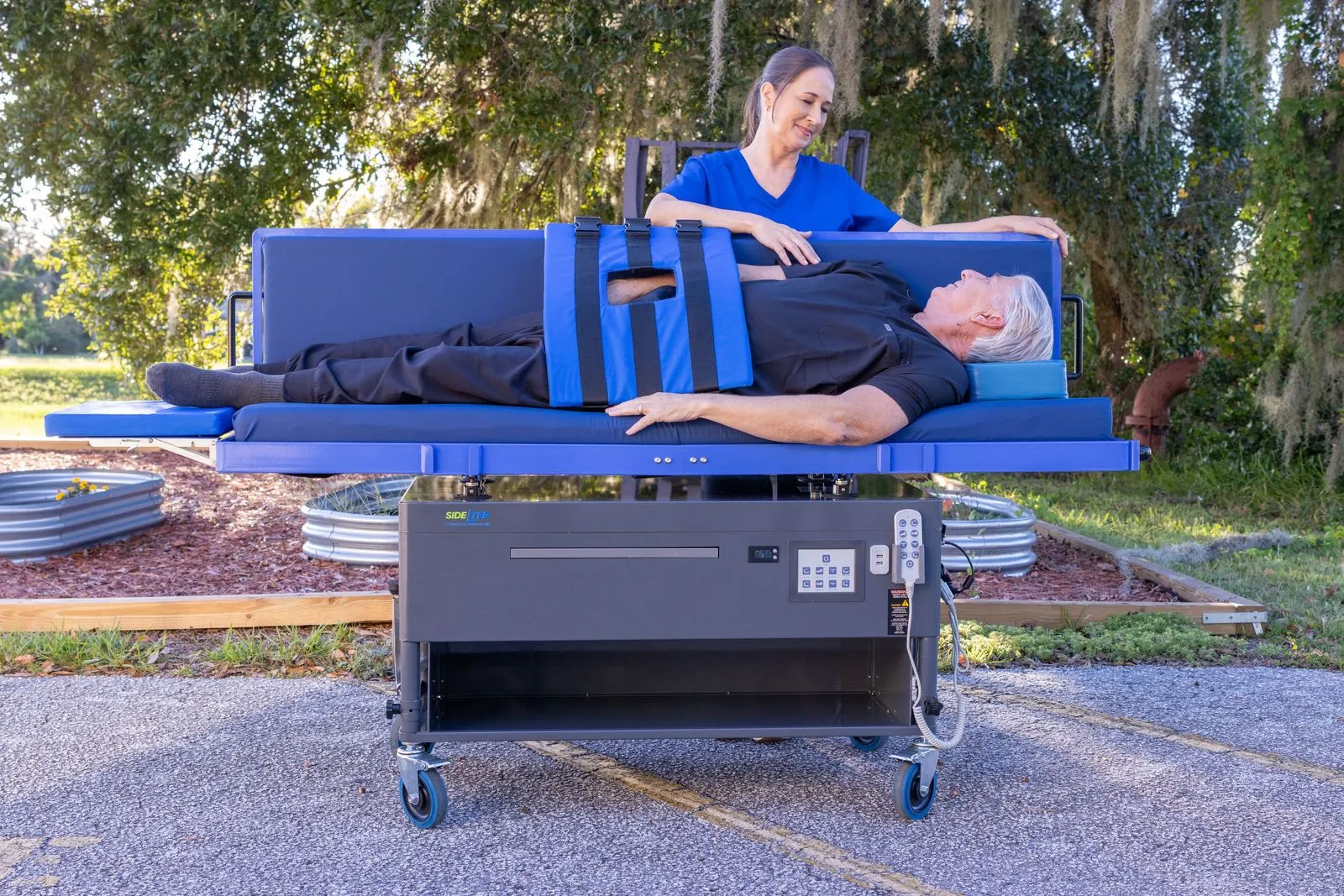
Pressure ulcers, commonly known as bedsores, remain a persistent challenge in healthcare and long term care settings. These injuries develop when prolonged pressure restricts blood flow to the skin, leading to tissue damage and potentially severe wounds. Patients with limited mobility or those who are bedridden are particularly at risk, making effective wound management a critical component of modern care.
As healthcare continues to evolve, there is increasing emphasis not only on prevention but also on comprehensive wound care. Today’s advanced wound care devices play a vital role in both minimizing risk and supporting the treatment and healing of pressure related injuries.
The Importance of Advanced Wound Care
Pressure ulcers can lead to serious complications, including infections, delayed recovery, and extended hospital stays. Managing these wounds effectively requires more than routine repositioning, it demands the integration of specialized equipment designed to support healing while maintaining patient comfort.
Modern wound care devices are engineered to address multiple aspects of patient care: reducing pressure, enhancing circulation, and creating an optimal environment for wound healing. This dual focus on prevention and treatment significantly improves patient outcomes.
Key Features of Modern Wound Care Devices
Advanced wound care devices are designed with both patients and caregivers in mind. Some of the most important features include:
Pressure Redistribution
Innovative surfaces and support systems evenly distribute weight, reducing stress on vulnerable areas such as the heels, sacrum, and elbows. This not only helps prevent ulcers but also protects existing wounds from worsening.
Dynamic Adjustability
Many devices allow for automated or assisted repositioning, ensuring that patients are moved safely and regularly without excessive manual effort. This helps maintain healthy blood flow and reduces tissue damage.
Moisture and Microclimate Control
Maintaining the right balance of moisture and temperature is crucial for wound healing. Advanced systems help regulate the skin environment, reducing the risk of infection and promoting faster recovery.
Enhanced Patient Comfort
Comfort focused designs reduce pain and irritation, which is especially important for patients already dealing with open wounds or sensitive skin.
Ease of Use for Caregivers
User friendly controls and ergonomic features simplify patient handling, reducing physical strain and improving workflow efficiency for healthcare staff.
Improving Outcomes and Reducing Costs
Effective wound care management has a direct impact on both clinical outcomes and healthcare costs. Untreated or poorly managed pressure ulcers can escalate quickly, requiring intensive interventions and prolonging hospital stays.
By incorporating advanced wound care devices into treatment plans, healthcare providers can:
- Accelerate healing times
- Reduce complications and infections
- Minimize the need for costly advanced treatments
- Shorten hospital stays
This leads to more efficient care delivery and better resource utilization across healthcare facilities.
Supporting Caregivers in Demanding Environments
Caregivers play a crucial role in wound management, but the physical demands of patient handling can be significant. Repositioning patients manually is not only time consuming but also increases the risk of musculoskeletal injuries.
Wound care devices help alleviate this burden by:
- Assisting with safe patient repositioning
- Reducing repetitive strain
- Allowing caregivers to focus more on clinical care rather than manual tasks
This results in a safer, more sustainable working environment.
Conclusion
Pressure ulcers continue to present serious challenges, but advancements in Wound Care Devices are transforming how these conditions are managed. By addressing both prevention and treatment, these technologies enhance patient comfort, promote faster healing, and reduce the physical demands placed on caregivers.
Integrating modern wound care devices into healthcare practices is no longer optional, it is a critical step toward improving patient outcomes, optimizing operational efficiency, and delivering higher quality care overall.