Mechanical keyboards have become increasingly popular among gamers, programmers, and everyday computer users in recent years. According to industry insights from organizations such as Statista, the global gaming peripherals market—including mechanical keyboards and accessories—continues to grow steadily as more users prioritize customization and performance.
One of the most important but often overlooked components of a mechanical keyboard is the keycap. Mechanical keyboard keycaps affect typing feel, sound, durability, and even productivity. For many enthusiasts, replacing keycaps is the easiest way to upgrade both the look and performance of a keyboard.
In this guide, we’ll explain what Mechanical Keyboard Keycaps are, why they matter, what materials they are made from, and how to choose the right set for your keyboard. Whether you’re a casual computer user, gamer, or mechanical keyboard enthusiast, understanding keycaps can help you get a better typing experience.
What Are Mechanical Keyboard Keycaps?
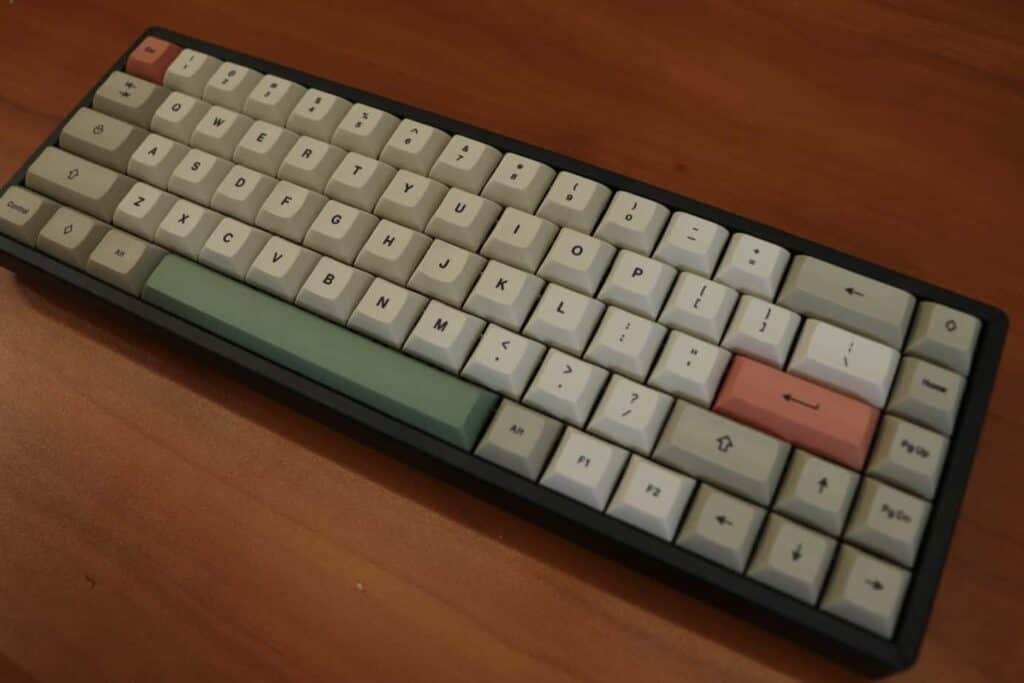
Mechanical keyboard keycaps are the removable plastic covers placed on top of mechanical keyboard switches. Each keycap represents a specific character, function, or command on the keyboard. Unlike membrane keyboards where keys are usually integrated into a single sheet, mechanical keyboards allow users to remove and replace individual keycaps.
Most mechanical keyboard keycaps are designed to fit switches that use the popular “MX-style” cross stem, which was popularized by Cherry MX switches. This design has become an industry standard, making it easier for users to mix and match keycaps across different keyboard brands.
Keycaps typically include three main components:
- The top surface – where your fingers press.
- The legends – the printed or molded letters and symbols.
- The stem mount – the internal structure that connects the keycap to the switch.
Because keycaps are removable, they allow users to replace worn-out keys, improve typing comfort, or customize the appearance of their keyboard. Many users start with a standard keyboard and gradually upgrade with higher-quality keycaps as they explore mechanical keyboard customization.
Why Do Keycaps Matter for Typing, Gaming, and Customization?
At first glance, keycaps may seem like simple plastic pieces, but they have a noticeable impact on the overall keyboard experience. Factors such as material, thickness, and shape can influence typing feel, sound profile, and durability.
For example, thicker keycaps often produce a deeper and more solid typing sound, while thinner keycaps may sound slightly higher-pitched. Enthusiasts sometimes experiment with different keycap sets to achieve their preferred acoustic profile.
In gaming scenarios, keycap profiles and textures can also affect performance. A slightly textured keycap surface may improve finger grip during fast movements, while sculpted profiles can help users locate keys more easily without looking at the keyboard.
Customization is another major reason why users replace their keycaps. Mechanical keyboard communities on platforms such as Reddit’s Mechanical Keyboards community often showcase creative setups where users combine different keycap colors, profiles, and themes.
Here is a simple comparison showing how keycaps can influence user experience:
| Factor | How Keycaps Influence It | Example Scenario |
| Typing Feel | Shape and thickness affect comfort and finger positioning | Programmers typing long hours prefer sculpted profiles |
| Sound | Material and thickness change typing acoustics | Thicker PBT sets often create deeper typing sounds |
| Durability | Higher-quality plastics resist shine and wear | Office users benefit from longer-lasting legends |
| Customization | Colorways and legends allow visual personalization | Gamers match keyboard themes with PC setups |
Because of these factors, upgrading to higher-quality Mechanical Keyboard Keycaps can be one of the simplest ways to improve both the aesthetics and usability of a keyboard.
What Materials Are Mechanical Keyboard Keycaps Made From?
Mechanical keyboard keycaps are typically made from specialized plastics designed to balance durability, texture, and cost. The two most common materials are ABS and PBT, though other materials and manufacturing methods are also used.
Different materials can affect how keycaps feel during daily use, how resistant they are to wear, and how long the legends remain visible. Understanding these differences can help users choose keycaps that better match their typing style and environment.
ABS Keycaps: Pros, Cons, and Common Use Cases
ABS (Acrylonitrile Butadiene Styrene) is one of the most widely used plastics for keycaps. Many stock keyboards from major manufacturers use ABS keycaps because they are relatively easy to mold and allow vibrant colors.
ABS keycaps typically feel smooth and lightweight. However, over time they may develop a shiny surface due to finger oils and repeated use. While this doesn’t necessarily affect functionality, some users prefer materials that maintain their texture longer.
PBT Keycaps: Durability, Texture, and Why Enthusiasts Prefer Them
PBT (Polybutylene Terephthalate) keycaps are generally considered more durable than ABS. They tend to have a slightly textured surface that resists wear and retains its original feel even after extended use.
Because of their durability and resistance to shine, PBT keycaps are often preferred by mechanical keyboard enthusiasts and professionals who type frequently. The manufacturing process can be more complex, which sometimes makes PBT keycap sets slightly more expensive.
Other Materials and Manufacturing Methods (Double-Shot, Dye-Sublimated, POM, PC)
Beyond basic plastics, keycaps can also differ in how their legends are produced.
- Double-shot keycaps use two layers of plastic so legends never fade.
- Dye-sublimated keycaps embed dye into the plastic surface for long-lasting legends.
- POM keycaps offer a smooth and slightly unique typing feel.
- Polycarbonate (PC) keycaps are sometimes used for translucent designs and RGB lighting.
Each manufacturing method has its own advantages, and the best choice often depends on how the keyboard will be used—whether for gaming, work, or aesthetic customization.
| Material / Method | Key Characteristics | Typical Use Case |
| ABS | Smooth surface, vibrant colors | Stock keyboards and RGB-focused builds |
| PBT | Durable, textured, resistant to shine | Long-term typing and enthusiast setups |
| Double-Shot | Legends molded into plastic | Premium keycap sets |
| Dye-Sublimated | Legends infused into surface | Classic and durable keycap designs |
How to Choose the Right Mechanical Keyboard Keycaps for Your Keyboard
Choosing the right keycaps involves more than just picking a color scheme. Compatibility, typing feel, and design all play important roles in determining whether a keycap set will work well with your keyboard.
Compatibility: Layouts, Sizes, and Stem Types
Before buying a new keycap set, it’s important to check whether it matches your keyboard layout and switch type. Most modern mechanical keyboards use MX-style stems, but layouts can vary significantly between full-size, TKL, and compact keyboards.
Users should also confirm key sizes—especially for the spacebar, shift keys, and bottom row—since some keyboards use non-standard layouts.
Keycap Thickness, Sound, and Typing Feel
Keycap thickness can subtly influence how a keyboard sounds and feels. Thicker keycaps may create a slightly deeper typing sound, while thinner keycaps might feel lighter and more responsive. Many users choose keycaps based on personal preference after experimenting with different sets.
For example, office workers who type for long periods may prioritize comfort and durability, while gamers may focus on responsiveness and grip.
Design, Legends, and Aesthetic Customization
Design is often the most visible reason people upgrade keycaps. Mechanical keyboard enthusiasts frequently customize their keyboards to match workstation themes, gaming setups, or minimalist desk designs.
Some keycap sets feature minimalist legends, while others highlight bold color combinations or retro-inspired layouts. Because keycaps are relatively easy to swap, many users treat them as interchangeable components that allow their keyboard to evolve over time.
If you’re exploring customization for the first time, browsing collections of Mechanical Keyboard Keycaps can provide inspiration and help you discover different materials, profiles, and design options.
Conclusion
Mechanical keyboard keycaps play a larger role in the typing experience than many users initially expect. From material and durability to typing feel and aesthetics, the right keycap set can noticeably change how a keyboard performs and looks.
By understanding the differences between ABS and PBT materials, learning how legends are manufactured, and checking compatibility with your keyboard layout, you can make a more informed decision when selecting new keycaps.
Whether you’re upgrading your work keyboard, optimizing a gaming setup, or exploring mechanical keyboard customization for the first time, choosing high-quality Mechanical Keyboard Keycaps is often one of the simplest and most effective ways to improve your keyboard experience.