
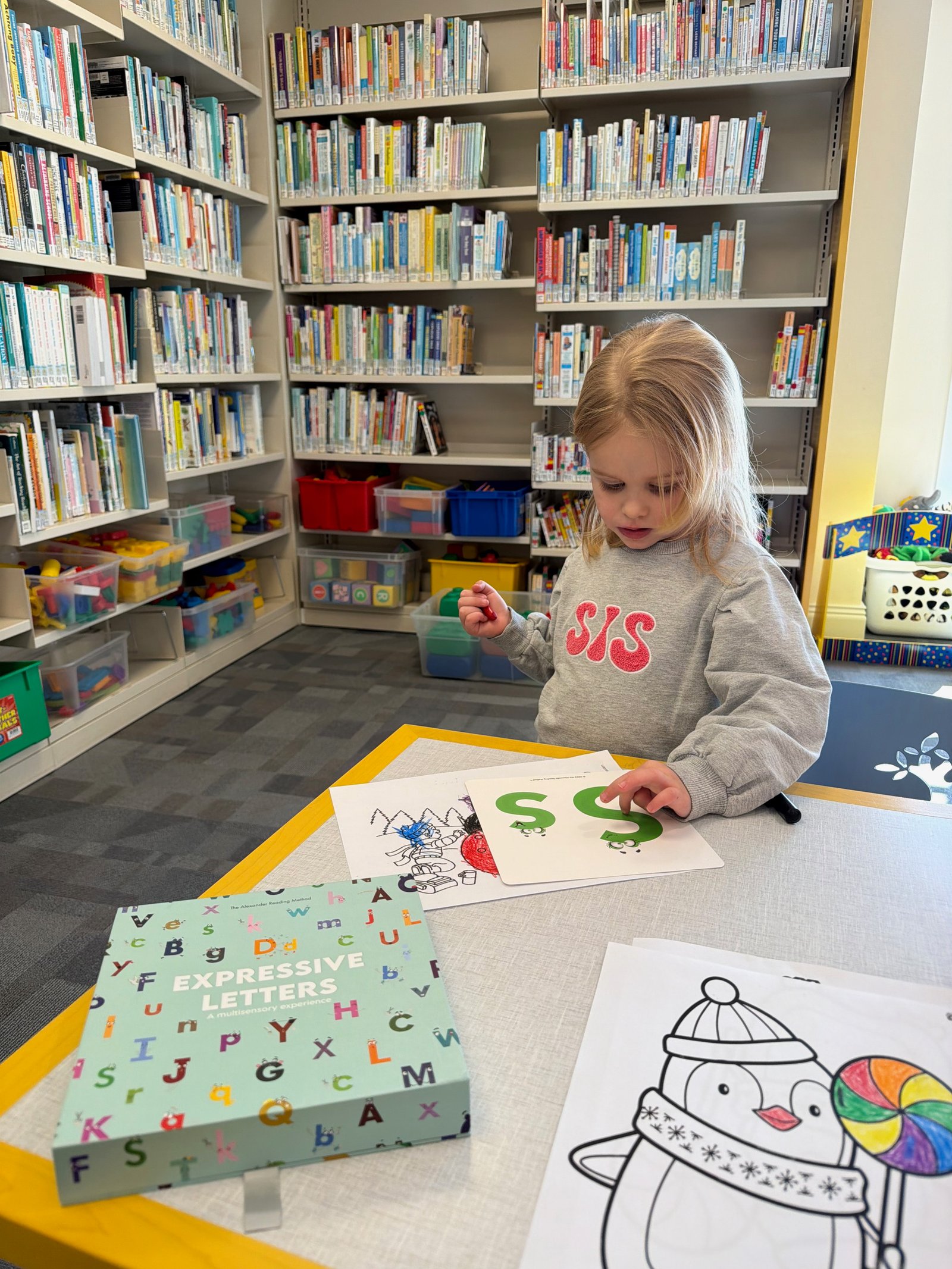
Preschool is the first step in a child’s educational journey, laying the foundation for a lifelong love of learning and reading. During these formative years, the importance of literacy cannot be overstated. Establishing strong reading skills early on shapes a child’s ability to excel academically and socially. One highly effective approach that many educators use to foster literacy is phonics. Phonics is more than just a method; it’s an essential skill set for young children, particularly in their preschool years.
The Role of Phonics in Early Education
Phonics is at the core of early literacy development. It helps children understand the relationship between letters and their corresponding sounds. This foundational skill enables them to decode words, which is vital when they begin to read on their own. By focusing on phonics, children build strong reading and writing skills that will serve them throughout their academic journey.
Incorporating phonics into early education provides children with a more structured way to approach reading, allowing them to learn gradually. For young children who are just starting their literacy journey, a Phonics Reading Program for early education can be a great way to ensure they get the right start.
Key Benefits of Phonics Based Learning
- Improved Word Recognition: Phonics teaches children to recognize letter patterns, making it easier for them to identify and remember words.
- Enhanced Spelling Skills: By understanding the sounds that letters make, children can spell words correctly, boosting their confidence in both reading and writing.
- Increased Reading Fluency: Phonics improves reading fluency, helping children to read more smoothly and naturally.
- Boosted Confidence: Mastering phonics skills allows young readers to feel more confident as they advance through their literacy learning.
Preschool Reading Tutoring: An Essential Component
While phonics is a crucial element of early literacy, some children may benefit from additional support. Preschool reading tutoring can be incredibly helpful for children who need extra guidance or personalized attention. With a targeted approach, preschool tutors can work with children on their individual reading challenges, building confidence and competence.
Preschool reading tutoring offers the opportunity to:
- Personalize learning based on the child’s needs and learning pace.
- Focus on specific areas of difficulty, such as letter sound recognition, blending, and segmenting words.
- Provide a supportive environment where children can build their reading skills without the pressure of a large classroom setting.
Through these tutoring programs, children gain not only academic skills but also a sense of accomplishment, making them excited and eager to continue learning.
A Balanced Approach to Preschool Education
Early education is more than just learning to read and write, it also involves cultivating social skills, emotional intelligence, and a love of learning. By integrating phonics based reading programs with other areas of early childhood education, children gain a well rounded foundation that helps them succeed both inside and outside the classroom.
Preschool education is essential for laying the groundwork for success in school. With the right phonics based reading programs and preschool reading tutoring, children are empowered to become confident, capable readers who are excited about learning.
For parents seeking an effective, structured, and supportive approach to early literacy, exploring programs that emphasize phonics can make all the difference. To get started, visit resources that provide specialized phonics programs designed for preschool aged children. Investing in literacy at this age ensures a future filled with reading, discovery, and academic achievement.