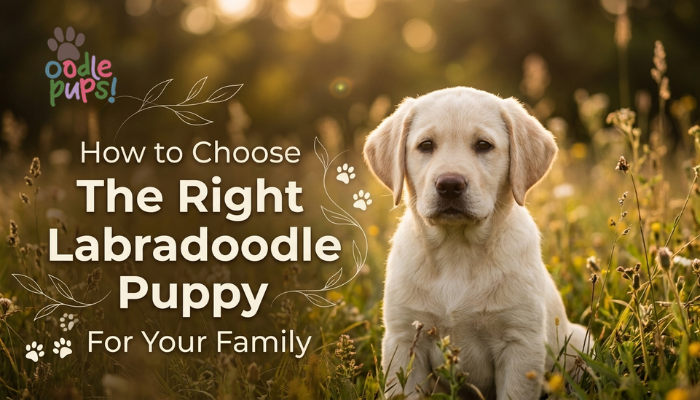
Start with your lifestyle, not the puppy. That’s the simple answer to choosing the right Labradoodle for your family, and it’s the part most people skip.
Maybe you see a photo, fall for that wavy coat, and the decision feels made. But how much space you have, how often someone is home, and whether your kids are young or older all play a role in which pup is going to settle well in your house. If you get these things sorted, you’ll find the rest of the process a lot clearer.
Fortunately, Labradoodle puppies in Australia have plenty of great options. The tricky part is knowing what to look for beyond a cute photo.
The team at Oodle Pups works through this with families all the time, and the same questions come up again and again. That’s why this guide covers size, coat, temperament, and what to look for in a breeder, so you can feel confident before you commit.
Are Labradoodles the Right Dog for Your Family?
For most families, yes. Labradoodles are playful, affectionate, and loyal dogs that genuinely love being around people. They bond quickly, get along well with children, and tend to fit into family life in a way that a lot of other dog breeds simply don’t.
That said, they do need more than just love. Labradoodles are social, high-energy dogs that need daily activity and company. If your household has someone home most of the day, kids running around after school, or a backyard to burn energy in, this breed is going to do really well.
Where it gets tricky is for households where dogs spend long hours alone. Unlike a border collie or German Shepherd bred for independent work, labradoodles are bred to be with people. So, too much time(think more than three to five hours a day) alone leads labradoodles to separation anxiety. When that happens, you’ll start noticing restless behaviour, barking, and chewed-up things around the house.
On top of that, Australian labradoodles come from multi-generational breeding programs, which means their temperament tends to be more predictable than earlier generation crosses.
What to Know About Size, Coat, and Labradoodle Temperament Before You Choose
Size, coat type, and temperament: these three things will define your experience with a labradoodle more than anything else. Most families focus on temperament, which makes sense, but size and coat type affect your day-to-day life more than people expect.
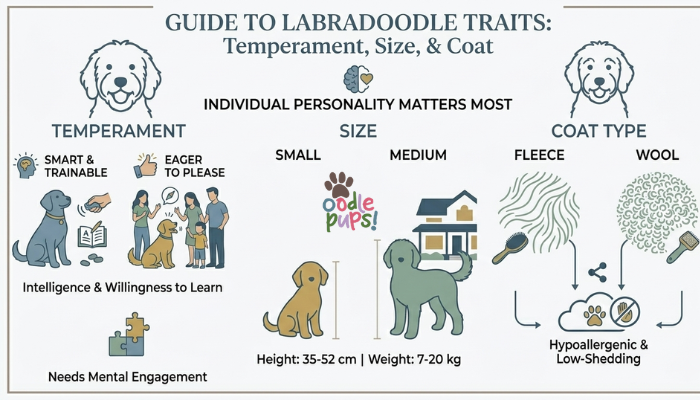
Now, you might be wondering whether to get a boy or a girl. It’s one of the most common questions breeders get, and the answer is simpler than you’d think. Individual personality is a far better guide than gender. So if you have your heart set on a girl but the pup that suits your family’s energy turns out to be a boy, it’s worth keeping an open mind.
With that covered, here’s what to think about when it comes to temperament, size, and coat.
Temperament: What to Expect From Your Labradoodle
Labradoodles are super smart, highly trainable dogs that pick up commands quickly. That intelligence comes from the poodle and Labrador retriever side of the mix, and it shows early. Most labradoodle puppies are eager to please, which makes training a genuinely enjoyable process for the whole family.
The thing to know before you bring a labradoodle home is that a smart dog needs mental stimulation alongside physical exercise. A labradoodle that sits around without enough to do will find its own entertainment, and you probably won’t love what it comes up with.
Chewed furniture, dug up gardens, and scratched doors are all pretty common examples. In such cases, short training sessions keep their mind engaged, puzzle toys burn mental energy when you’re busy, and plenty of daily interaction stops boredom from turning into bad behaviour.
Small vs Medium: Which Size Suits Your Home?
Labradoodles come in two sizes, and the right one really does depend on your living situation. Small labradoodles sit between 35 and 42 centimetres tall and weigh around 7 to 13 kilograms. They’re a great fit for townhouses, smaller backyards, or apartments, without giving up any of the breed’s playful, affectionate nature.
On the other hand, medium labradoodles are bigger, sitting between 43 and 52 centimetres and weighing 13 to 20 kilograms. They need more space and more daily exercise to stay settled indoors.
If you’re in a smaller Brisbane home and wondering whether a labradoodle will feel cramped, the small size is worth a serious look.
Fleece or Wool Coat: What That Means for Your Family
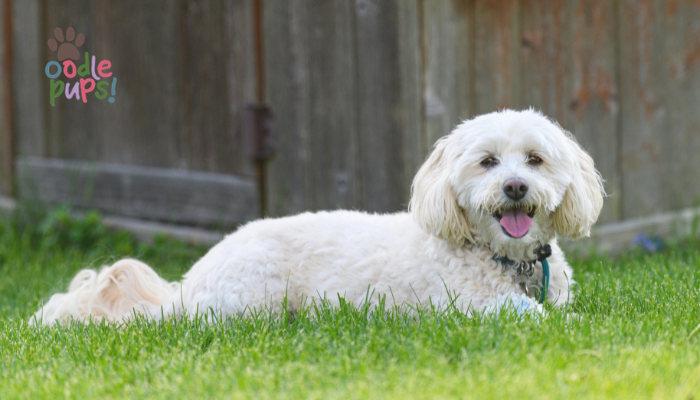
Coat type is something a lot of families don’t think about until after they bring a puppy home. Both fleece and wool coats are low-shedding. So if dog hair on the couch is a dealbreaker in your house, or someone in the family has allergies, you’re already in a good position with either option. The difference comes down to texture and how much grooming each coat needs.
Here’s a simple breakdown to help you decide:
| Fleece Coat | Wool Coat | |
| Texture | Wavy or curly, soft to touch | Curly, resembles lamb’s wool, slightly coarser |
| Shedding | Low shedding | Low to non-shedding |
| Grooming | Easier to manage at home | Needs more frequent professional grooming |
| Best for | Busy families, first-time dog owners | Families comfortable with regular grooming appointments |
| Allergies | Good for mild allergies | Better for moderate allergies |
Both Pip and Rosie, the labradoodles behind Oodle Pups, have fleece coats. Even with regular brushing at home, a professional groom every six weeks keeps their coat comfortable and tangle-free. It’s a routine worth building early.
And once you’ve worked out which coat suits your family, the next step is finding a breeder you can actually trust.
How to Find Labradoodle Puppies in Australia From a Breeder You Can Trust
The most reliable way to find a trusted breeder is through verified platforms like RightPaw. They independently screen breeders across Australia for health testing standards and home environment quality. Beyond that, there are a few other signs that separate a responsible breeder from everyone else.
Signs of a responsible breeder:
- Health Testing: A good breeder DNA tests their dogs for breed-specific diseases before breeding. At Oodle Pups, every dog is tested for 32 inheritable conditions using the Orivet breed profile.
- Home Raised: Puppies raised in a family home are exposed to everyday sounds, other dogs, other pets, and children from a young age. That early socialisation shapes how well a pup settles into your home.
- Open and Honest: Reputable breeders welcome visits, answer questions openly, and want to know about your family before placing a puppy with you.
- Support After Pickup: Breeders who stay in contact long after the handover and genuinely care about where their puppies end up are worth their weight in gold.
If a breeder can’t tick most of these boxes, keep looking. Puppy mills and backyard breeders are more common than most people realise, and they rely on cute photos and low prices to move puppies fast. If you feel rushed, pressured, or can’t get straight answers, that’s your cue to walk away.
You might also want to think about pet insurance early on. Vet costs add up quickly in the first year, and having cover in place from the start means you’re not caught off guard.
Once you’ve found a breeder you trust, the last thing to sort out before you commit is asking the right questions.
Questions to Ask Before You Commit to a Puppy
Most first-time families sit down with a breeder and go completely blank on what to ask. These questions will help you walk in prepared.
Before you commit, ask your breeder:
- What Health Tests Have the Parent Dogs Had: Ask for documentation. A responsible breeder will have this ready without hesitation.
- How Are the Puppies Socialised Before Pickup: You’ll want to know what your pup has experienced before coming home. For example, at Oodle Pups, puppies receive basic obedience training, early toilet training, and collar and lead work before they leave.
- What Vaccinations and Vet Checks Has the Puppy Had: A reputable breeder completes these before pickup and provides full documentation.
- What Comes in the Puppy Pack: Knowing what to expect on day one helps your family prepare. A good puppy pack includes food, a blanket with mum’s scent, and important documents to help your pup settle in.
- What Support Do You Offer After Pickup: Wonderful dogs need wonderful breeders behind them. A breeder offering lifetime support is a strong sign that they care about your pup long after the handover.
- What Is the Deposit Process and Waitlist Timeline: Understanding this upfront means no surprises when a litter becomes available.
The right breeder will welcome every single one of these questions. If they seem reluctant to answer, that’s a sign they’re more focused on making a sale than finding the right home for their puppies.
Ready to Find Your Family’s Perfect Labradoodle?
Labradoodles are fun-loving, affectionate dogs that bring a lot of joy into a home. But the ones that do best are the ones that were chosen thoughtfully, matched to the right family, and sourced from a breeder who genuinely cares.
We recommend starting with your lifestyle. Think about your space, your schedule, and your family dynamic before you fall for a photo. From there, size, coat type, and temperament will all start to narrow down naturally.
And when it comes to finding a breeder, don’t rush it. Ask the hard questions, look for verified health testing, and trust your gut. If you’re looking for a great starting point, Oodle Pups works with families across Brisbane to help them find the right pup with confidence.