Building a gym—whether it’s in your spare room or a large commercial space—isn’t just about filling it with machines. It’s about creating an environment that motivates people to move, supports different fitness goals, and stands up to daily use. That’s where choosing the right equipment becomes incredibly important.
If you’ve ever stepped into a gym that feels cluttered, outdated, or uncomfortable, you know how much the quality of equipment matters. On the flip side, a well-equipped space can make workouts feel smoother, safer, and even more enjoyable. Let’s take a closer look at why smart equipment choices can make all the difference—and why this particular option stands out for both home users and business owners.
Built for Real Life: Durability That Keeps Up
One of the biggest factors people overlook when buying gym equipment is durability. It’s easy to focus on price or appearance, but what really matters is how well the equipment holds up over time.
Think about a busy commercial gym. Dozens—sometimes hundreds—of people use the same machines every day. Treadmills are running for hours, weights are constantly being lifted and dropped, and benches are adjusted repeatedly. In this kind of environment, low-quality equipment wears out fast, leading to frequent repairs and unexpected costs.
Now compare that to a home gym. Even though usage might be less intense, you still want equipment that lasts for years, not months. No one wants to deal with a wobbly bench or a cable machine that starts sticking after a few workouts.
High-quality fitness equipment is designed with strong materials, reinforced joints, and reliable moving parts. It’s the difference between something that feels solid under pressure and something that makes you hesitate mid-exercise. Whether you’re doing heavy lifts or light cardio, that sense of stability builds confidence—and helps prevent injuries.
A good example outside the fitness world is office furniture. A well-built office chair can support long hours of work without breaking down, while a cheaper option might need replacing within a year. Gym equipment works the same way: investing in durability saves money and frustration in the long run.
Designed for Comfort and Usability
Let’s be honest—if something feels awkward to use, you’re less likely to use it.
This is where thoughtful design comes in. Equipment should feel intuitive, meaning you don’t have to spend 10 minutes figuring out how to adjust it before starting your workout. Handles should fit naturally in your hands, seats should be easy to position, and controls should be straightforward.
For home users, this is especially important. Without a trainer nearby, you rely on the equipment itself to guide your movement. If it’s too complicated or uncomfortable, it quickly becomes something that collects dust.
In commercial gyms, usability becomes even more critical because people of all experience levels are using the same machines. Beginners need something simple and safe, while experienced users want flexibility and performance.
Well-designed equipment bridges that gap. It allows someone new to fitness to get started confidently, while still offering enough functionality for advanced training.
You can think of it like modern kitchen appliances. A good blender, for example, should be easy enough for anyone to use, but powerful enough to handle tougher tasks. Fitness equipment follows the same principle—simple on the surface, but capable underneath.
Versatility for Different Fitness Goals
Not everyone walks into a gym with the same goal. Some people want to build muscle, others want to lose weight, and many are just trying to stay active and healthy.
That’s why versatility is such a valuable feature in fitness equipment.
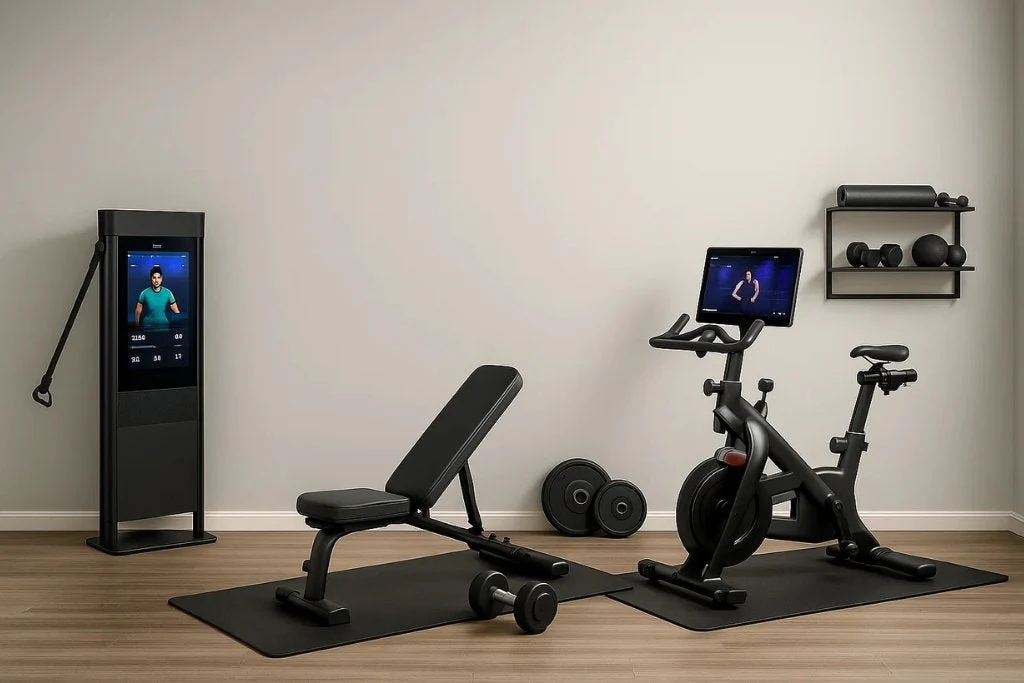
In a home gym, space is often limited. You might only have room for a few key pieces, so each one needs to do more than one job. Adjustable benches, multi-functional machines, and compact cardio equipment can help you create a complete workout setup without overcrowding your space.
In commercial gyms, versatility means being able to serve a wide range of members. A single piece of equipment that supports multiple exercises can reduce wait times and improve the overall experience.
For example, a cable machine that allows for different attachments can replace several standalone machines. This not only saves space but also encourages users to explore different movements and training styles.
Even in other industries, versatility plays a huge role. Think about smartphones—they replaced cameras, calculators, and even notebooks because they can do so many things in one device. The same idea applies to gym equipment: more functionality in less space.
A Smart Investment for Long-Term Value
At first glance, investing in high-quality gym equipment might seem like a bigger upfront cost. But when you look at the long-term benefits, it often turns out to be the smarter financial decision.
For home users, better equipment means fewer replacements and repairs. It also increases the likelihood that you’ll actually stick to your fitness routine, which is the whole point of having a home gym in the first place.
For business owners, the impact is even greater. Reliable equipment reduces downtime, keeps members satisfied, and enhances your gym’s reputation. When people feel comfortable and confident using your facilities, they’re more likely to return—and recommend your gym to others.
If you’re currently planning or upgrading your setup, exploring options like Flex Fitness Equipment can give you a clearer idea of what to look for in terms of durability, usability, and overall value.
It’s similar to investing in quality tools for any profession. A builder with reliable tools works more efficiently and produces better results. In the same way, the right gym equipment supports better workouts and better outcomes.
Creating a Space People Actually Want to Use
At the end of the day, the goal of any gym—home or commercial—is to create a space that people want to come back to.
Good equipment plays a big role in that. It’s not just about function; it’s also about how the space feels. Clean lines, modern designs, and well-maintained machines can make a gym feel more inviting and professional.
For home gyms, this can be the difference between a space you avoid and one you enjoy spending time in. When your setup looks good and works well, it becomes part of your daily routine rather than a chore.
For commercial gyms, the atmosphere directly affects member retention. People notice when equipment feels outdated or poorly maintained. On the other hand, a well-equipped gym creates a sense of trust and quality.
Think of it like a well-designed café. Comfortable seating, good lighting, and reliable service make people want to stay longer and come back again. A gym works the same way—the environment matters just as much as the equipment itself.
Final Thoughts
Choosing the right fitness equipment isn’t just a technical decision—it’s a practical one that affects how people move, train, and feel in a space.
From durability and comfort to versatility and long-term value, the right setup supports better workouts and a better overall experience. Whether you’re building a home gym for convenience or running a commercial space for a growing community, investing in quality equipment is always worth it.
In the end, it’s not about having the most machines—it’s about having the right ones.