When people think about painting, they often picture a fresh coat of color on a living room wall or a quick weekend DIY project. But in industrial and commercial environments, painting is far more than just aesthetics—it’s about protection, performance, and long-term durability.
From warehouses and factories to bridges and large office buildings, industrial painting plays a critical role in keeping structures safe, functional, and visually presentable. And that’s where experienced professionals make all the difference.
Why Industrial Painting Is More Than Just Paint
In industrial settings, surfaces are constantly exposed to harsh conditions. Think about the daily wear and tear in a manufacturing plant—heavy machinery, chemical spills, heat, moisture, and even corrosion. Without proper protection, these factors can quickly degrade surfaces, leading to costly repairs or safety risks.
Industrial painting involves applying specialized coatings designed to withstand these challenges. These coatings aren’t your standard wall paints. They’re engineered to resist rust, chemicals, UV rays, and extreme temperatures.
For example, a steel structure in a coastal area faces constant exposure to salt air, which accelerates corrosion. A properly applied protective coating can extend the life of that structure by years, even decades. Similarly, floors in a busy warehouse benefit from epoxy coatings that resist abrasion from forklifts and heavy equipment.
In short, industrial painting helps businesses save money in the long run by reducing maintenance and preventing damage.
Where Industrial Painting Makes the Biggest Impact
Industrial painting is used across a wide range of industries, each with its own unique needs. Let’s take a look at a few real-world examples:
Manufacturing Facilities
Factories often deal with chemicals, oils, and high temperatures. Protective coatings help prevent corrosion on machinery and structural components, ensuring everything runs smoothly and safely.
Warehouses and Distribution Centers
These spaces see constant movement from equipment like forklifts. Durable floor coatings not only protect the surface but also improve safety by adding slip resistance and clear markings for traffic flow.
Commercial Buildings
Office complexes and retail spaces rely on coatings that balance durability with visual appeal. Exterior coatings protect against weather damage, while interior finishes must handle high foot traffic.
Infrastructure Projects
Bridges, pipelines, and water tanks require coatings that can withstand environmental exposure over long periods. Without proper painting, these structures can deteriorate quickly, leading to expensive repairs or even safety hazards.
Each of these environments demands a tailored approach, which is why expertise matters so much in this field.
The Process Behind a Long-Lasting Finish
A successful industrial painting project doesn’t start with a paintbrush—it starts with preparation. In fact, surface preparation is often the most important step in the entire process.
First, surfaces must be cleaned thoroughly. This can involve removing dirt, grease, rust, or old paint using methods like sandblasting or pressure washing. If this step is skipped or done poorly, even the best coating won’t adhere properly.
Next comes the selection of the right coating. Different environments require different solutions. For example, a chemical plant may need coatings that resist acids, while a food processing facility might require coatings that meet strict hygiene standards.
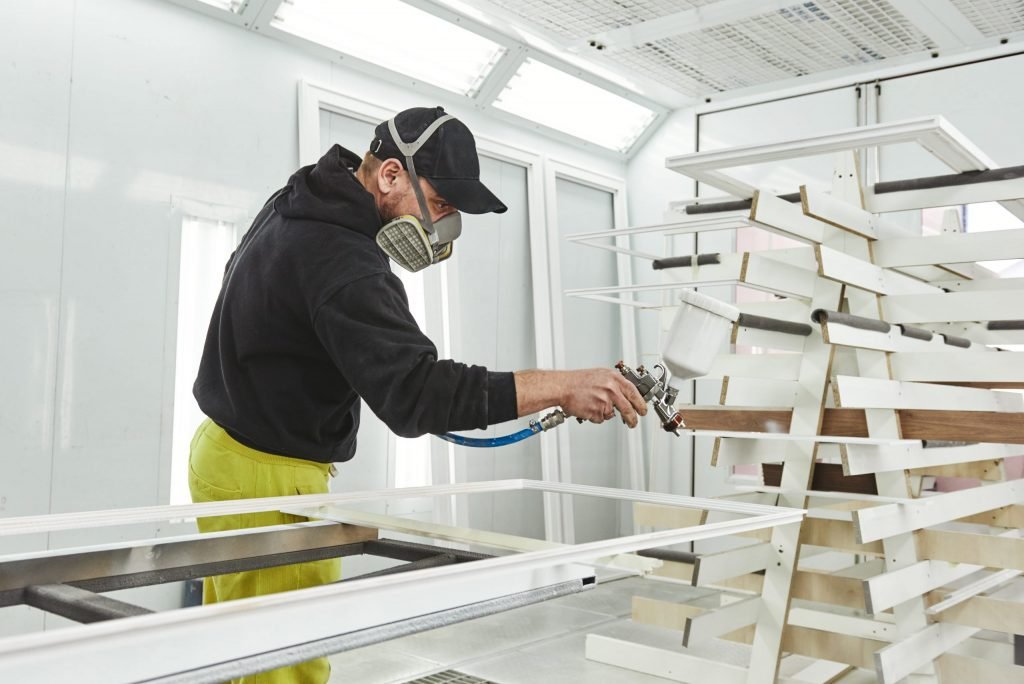
Application techniques also vary. Some projects use spray systems for even coverage, while others may require rollers or brushes for precision work. Temperature, humidity, and drying times all need to be carefully managed to ensure a flawless finish.
Finally, inspection and quality checks are carried out to make sure the coating meets the required standards. This attention to detail is what separates a short-term fix from a long-lasting solution.
Choosing the Right Professionals for the Job
Not all painting services are equipped to handle industrial projects. These jobs require specialized knowledge, equipment, and safety practices.
Working with experienced industrial painting specialists ensures that every aspect of the project is handled correctly—from surface preparation to final inspection. Professionals in this field understand the complexities involved and know how to deliver results that stand the test of time.
They also follow strict safety protocols. Industrial environments can be hazardous, so proper training and protective equipment are essential. This not only protects the workers but also ensures that the project is completed without disrupting operations.
Another advantage is efficiency. Skilled teams can complete projects on schedule, minimizing downtime for businesses. Whether it’s a factory that needs to stay operational or a commercial space preparing for opening day, timing is often critical.
Long-Term Benefits for Businesses
Investing in high-quality industrial painting offers more than just immediate improvements. It provides long-term value in several ways.
Reduced Maintenance Costs
Protective coatings help prevent damage, meaning fewer repairs and less frequent repainting.
Improved Safety
Slip-resistant floors, clear markings, and corrosion protection all contribute to a safer work environment.
Enhanced Appearance
A clean, well-maintained facility creates a positive impression for clients, employees, and visitors.
Extended Asset Life
Structures and equipment last longer when they’re properly protected, reducing the need for costly replacements.
For example, a logistics company that invests in durable floor coatings can avoid frequent repairs caused by heavy traffic. Over time, this leads to significant savings and smoother operations.
Final Thoughts
Industrial painting might not always be the most visible part of a project, but it’s certainly one of the most important. Behind every durable surface and well-protected structure is a carefully planned and expertly executed coating process.
Whether it’s safeguarding a factory floor, preserving a steel structure, or enhancing a commercial building, the right approach to industrial painting delivers results that go far beyond appearance. It’s about creating spaces that are built to last—no matter what challenges they face.
By choosing experienced professionals and prioritizing quality, businesses can ensure their investments are protected for years to come.