
Modern organizations rely heavily on servers to run applications, manage databases, and support digital operations across departments. As workloads become more demanding, the need for high-performance and reliable server infrastructure continues to grow.
For business owners and IT decision-makers, selecting a server platform that balances efficiency, scalability, and reliability plays a crucial role in maintaining stable operations and supporting long-term growth.
Supermicro servers are widely recognized for their performance-focused engineering and flexible system architecture. Designed for enterprise environments, cloud platforms, and high-performance computing workloads, these servers combine modern hardware technologies with modular designs that help organizations build adaptable and efficient infrastructure.
Understanding the Architecture Behind Supermicro Servers
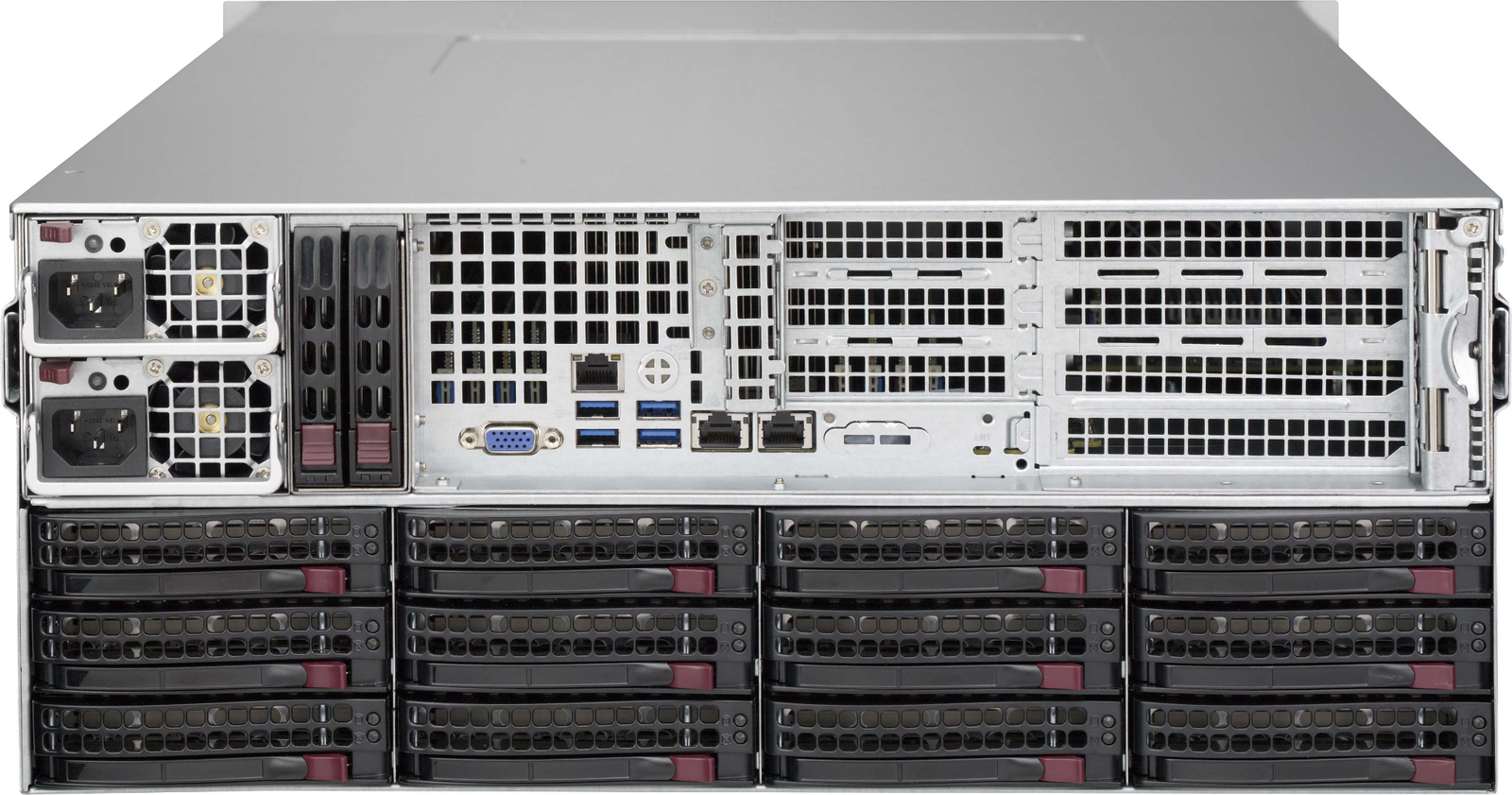
Reliable infrastructure begins with strong system architecture. Supermicro Servers are designed using modular “Building Block Solutions®,” a design philosophy that allows organizations to configure hardware according to specific workload requirements. This approach integrates advanced processors, high-speed memory, scalable storage, and networking capabilities within a balanced system design.
By aligning hardware capabilities with real operational demands, these servers help organizations reduce performance bottlenecks and maintain stable infrastructure across virtualization environments, cloud services, and enterprise applications.
1. Support for Advanced Processor Technologies
Processing capability is one of the most important elements of any server platform. Supermicro systems support advanced processors such as Intel Xeon and AMD EPYC, enabling servers to handle demanding enterprise workloads efficiently.
High core counts allow servers to manage multiple applications simultaneously while maintaining consistent performance. This capability improves responsiveness across virtual machines, databases, and analytics platforms.
2. High-Bandwidth Memory for Faster Data Handling
Memory performance significantly affects how quickly servers process information. Supermicro platforms support modern memory technologies such as DDR5, which provide higher bandwidth and improved efficiency.
Faster memory enables servers to transfer data more efficiently between processors and storage layers. This improvement enhances system responsiveness and supports smooth performance during intensive workloads.
3. Modular Building Block Architecture
One of the defining features of Supermicro servers is their modular architecture. The Building Block Solutions® design allows organizations to customize hardware configurations according to specific workload requirements.
This modular flexibility simplifies system upgrades and enables businesses to deploy optimized infrastructure for specialized tasks such as AI processing, virtualization, and high-performance computing.
4. High-Speed Storage Integration
Storage performance plays a major role in overall server efficiency. Supermicro Server Systems support high-speed storage technologies, including NVMe drives and advanced storage backplanes.
These storage capabilities enable faster data retrieval and improved application performance. Systems handling large datasets, enterprise software, and analytics workloads benefit from reduced data access delays.
5. Advanced Cooling Technologies for Stable Performance
High-performance servers generate significant heat during heavy workloads. Without proper thermal management, system performance may decline due to overheating.
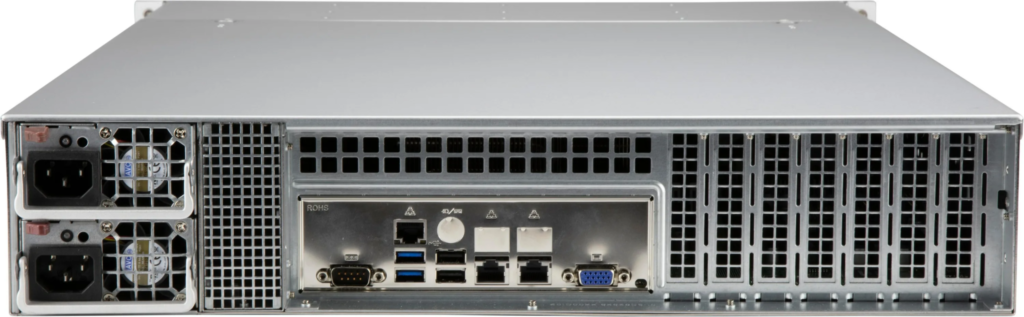
Supermicro integrates advanced cooling technologies that maintain stable operating temperatures. Efficient airflow designs and specialized cooling solutions help servers maintain consistent performance during long operational cycles.
6. Flexible Expansion and Scalability
Modern IT infrastructure must adapt as organizations grow. Supermicro platforms provide extensive expansion capabilities through multiple PCIe slots, storage configurations, and networking options.
This flexibility allows businesses to upgrade system components as needed without replacing entire platforms. Scalable architecture ensures infrastructure remains capable of supporting increasing workload demands.
7. High-Speed Networking for Efficient Connectivity
Enterprise systems require strong communication between servers, storage devices, and cloud platforms. Supermicro server systems commonly support advanced networking technologies designed for fast and stable data exchange.
High-speed connectivity improves communication across distributed infrastructure environments. This ensures that applications and services continue operating efficiently without network-related delays.
8. Energy-Efficient Infrastructure Design
Energy efficiency is an important factor in modern data center operations. Supermicro emphasizes green computing by designing systems that optimize power usage while maintaining strong performance.
Efficient power management reduces operational costs and helps organizations maintain sustainable infrastructure without sacrificing computing capability.
Transforming Server Capabilities into Business Value
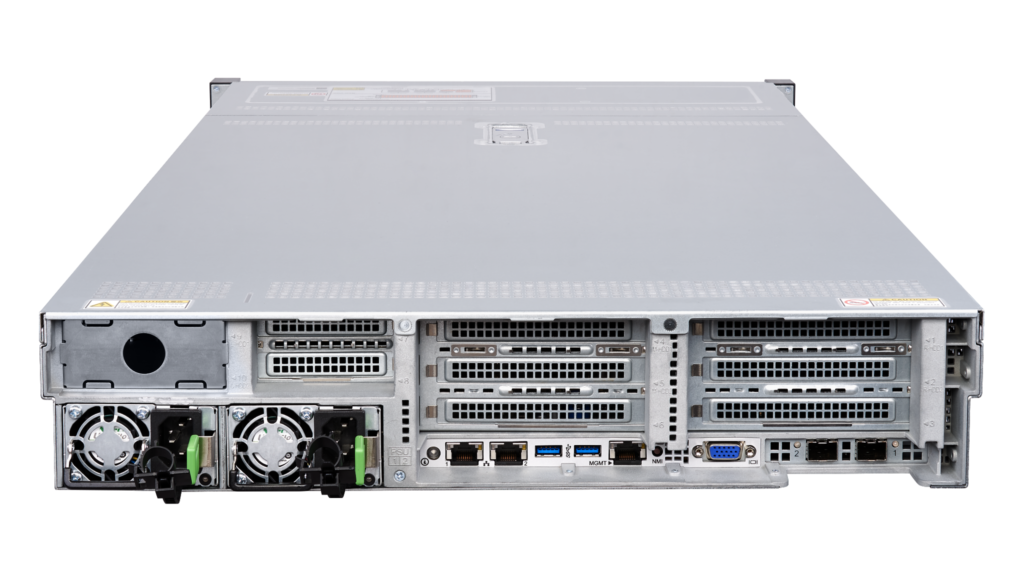
The value of a server platform is measured by how effectively its features translate into real operational advantages. Supermicro servers combine strong processing power, modern memory technologies, scalable architecture, and efficient cooling to deliver reliable enterprise infrastructure.
Large distributors such as CDW and Insight offer extensive hardware catalogs, but their approach often focuses on standardized product availability rather than aligning systems with specific workload requirements.
Cloud Ninjas focuses on matching server configurations with real operational needs instead of offering generic hardware bundles. This approach helps organizations deploy Supermicro solutions that deliver stable performance and long-term infrastructure value.