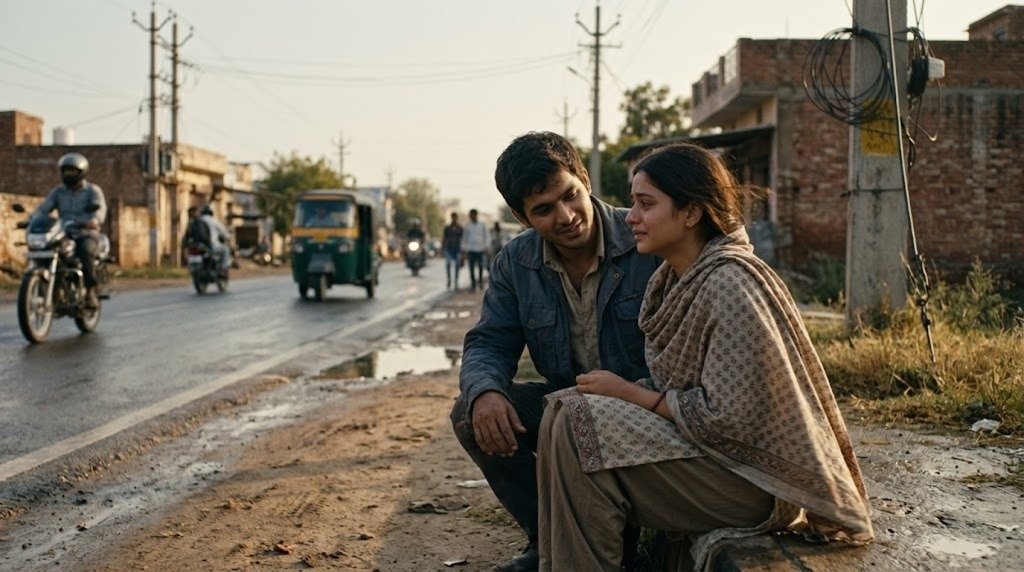
There is a clear difference between something that looks generated and something that feels cinematic. It is possible that one is technically correct however the other triggers emotions. This isn’t always about resolution or even detail. It’s about how motion time, atmosphere, and timing connect.
In the past, AI-generated videos struggled to bridge the gap. Its outputs might look amazing on their own, but seem a little disjointed when viewed as a complete unit. This perception is starting to shift.
A new approach to video creation is making it possible to move beyond surface-level visuals and toward something that feels closer to cinema. At the center of this shift is Seedance 2.0, a multimodal model designed to bring visual storytelling into a more cohesive form.
The Role of Continuity in Cinematic Experience
Cinema is not defined by individual frames. It is defined by how those frames connect. A scene feels real when characters remain consistent, movements flow naturally, and transitions do not break immersion.
Seedance 2.0 focuses on this idea of continuity. It supports multi-shot narratives where characters remain consistent across every scene. Each shot can extend up to 15 seconds, and these shots can be connected into longer sequences that maintain visual stability.
Within Higgsfield, this process becomes easier to manage. Creators can shape how scenes evolve without worrying about shifts in appearance or structure.
This is where the experience begins to move beyond simple generation. It starts to reflect Quality + emotional appeal, where visuals contribute to a broader sense of storytelling rather than existing as isolated outputs.
When Sound and Image Work Together
Cinematic moments are rarely without sound in how it affects the viewer. Sound plays an important role in the way a film is perceived. Conversation, background noise and music all influence setting the tone.
Seedance 2.0 produces audio and video all in one go. The dialogue is aligned with lip movements and ambient sound is reflected by the surrounding environment while music tracks the pace of the video.
Higgsfield lets creators’ control how these elements work, making sure that structure and timing feel deliberate. This gives an immersive and natural experience in which sound doesn’t seem like an added feature.
When audio and video are created together the final product feels more complete.
Camera Movement That Feels Intentional
Cinematic quality usually depends on the camera’s movement through the scene. Small changes in the angle as well as controlled motion and balanced framing all impact the way a story is perceived.
Seedance 2.0 introduces control over the camera’s movement, lighting and shadow in a manner that feels easy. Creators can direct these elements with no need for advanced technical knowledge.
Higgsfield offers the space in which these controls can be improved. Camera angles, camera transitions and timing can be altered to suit the mood of the video.
If you’re interested in learning the ways camera techniques influence the narrative, this guide on cinematography techniques will help you understand the ways that composition and movement affect the perception of viewers.
They may appear small however they play a crucial part in creating a cinematic atmosphere.
Motion That Reflects Real-World Behavior
Movement is one of the easiest ways to break immersion. When motion feels unnatural, the entire scene can lose its impact.
Seedance 2.0 addresses this by supporting realistic collision physics and slow-motion effects. Actions unfold in a way that aligns with physical expectations, which helps maintain a sense of realism.
Higgsfield allows creators to guide these sequences while keeping the overall flow consistent. This ensures that action scenes feel connected to the narrative rather than separate from it.
The result is a more immersive experience where motion enhances the story.
From Inputs to Emotionally Engaging Output
Creating something cinematic is not only about visuals or sound. It is about how different elements come together to create a feeling.
Seedance 2.0 accepts multiple types of input, including text, images, video, and audio, up to 12 assets in a single generation. These inputs are combined into a cohesive output that reflects the intended direction.
Higgsfield supports this process by providing a workspace where creators can refine and extend their content. Instead of assembling pieces separately, creators can focus on shaping the overall experience.
This approach allows content to move beyond functional output and toward something more expressive.
A Different Kind of Creative Control
Traditional video production often separates creative direction from execution. Ideas are developed first, then translated into visuals through multiple stages.
Seedance 2.0 brings these stages closer together. Creators can guide camera movement, timing, and transitions within the same process that generates the video.
Higgsfield makes this practical by offering a structured environment where these controls can be applied effectively. Both beginners and experienced creators can shape their content without being limited by technical barriers.
This creates a more direct connection between intention and output.
Why It Feels Closer to Cinema
What makes something feel cinematic is not just how it looks. It is how it flows, how it sounds, and how it connects from one moment to the next.
Seedance 2.0 brings these elements together in a way that reduces fragmentation. Instead of building a video piece by piece, creators can generate something that already feels cohesive.
Higgsfield supports this by providing a workspace where creators can refine their output without disrupting the flow.
This combination of consistency, synchronization, and control is what makes the experience feel closer to cinema.
Conclusion
The difference between generated content and cinematic storytelling lies in how elements come together. Visuals, sound, motion, and timing all need to align to create a complete experience.
Seedance 2.0 moves video creation in that direction by combining multimodal inputs, synchronized audio, and multi-shot continuity into a single process. It changes how creators approach storytelling.
Higgsfield brings these capabilities into a practical environment where ideas can be shaped with clarity and control.
The result is not just better-looking video. It is content that feels more connected, more intentional, and closer to the experience of cinema itself.