
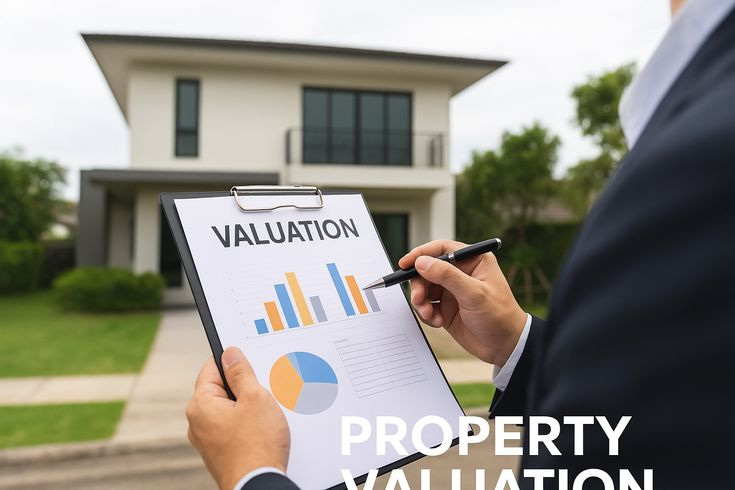
Residential and commercial property owners face many financial responsibilities tied to real estate ownership. Local governments rely on property-based revenue to support schools, emergency services, and development projects. Tax obligations connected to property value influence personal budgets and business planning in substantial ways.
Real estate markets fluctuate because of economic trends, neighborhood demand, and infrastructure improvements. Rising property assessments can create pressure on homeowners, landlords, retailers, and corporate investors. Clear knowledge about ad valorem taxes helps property owners understand why annual tax bills can change dramatically over time. To know more, please read this discourse.
Higher Property Values Increase Annual Tax Liability
Residential Owners Face Greater Household Pressure
Families living in developing neighborhoods experience increasing assessments on their homes. A higher valuation may appear beneficial during resale discussions, yet larger tax bills can strain monthly finances. Mortgage payments, insurance costs, and maintenance expenses already consume a portion of household income.
Senior citizens and fixed-income homeowners feel this burden more strongly because income growth may remain limited. Property tax increases can influence relocation decisions in expensive regions. Stable financial planning becomes difficult when assessments rise repeatedly within short periods.
Commercial Properties Carry Additional Financial Demands
Business Owners Must Account for Multiple Expenses
- Retail centers, office buildings, and warehouses generally receive higher assessments because of income potential and location advantages.
- Commercial owners frequently transfer part of the tax burden to tenants through lease agreements and operational charges.
- Investors examine tax structures before purchasing large commercial properties or expanding business operations.
Large tax obligations can reduce available capital for staffing, renovations, equipment purchases, and property upgrades. Competitive businesses monitor assessments to protect long-term profitability.
Local Infrastructure Projects Influence Assessments
Community Improvements Affect Property Worth
- New highways, public transit systems, and shopping districts can raise surrounding property values considerably.
- School expansions and municipal development projects may encourage residential demand within nearby communities.
- Waterfront improvements, parks, and entertainment centers usually attract commercial activity and higher investor interest.
Rising demand linked to community enhancements typically leads to larger assessments for nearby owners. Many property holders appreciate improved services, yet increased tax obligations may follow shortly afterward.
Assessment Errors Create Financial Consequences
Incorrect Valuations Require Immediate Attention
Assessment records occasionally contain outdated measurements, inaccurate property descriptions, or unsupported market comparisons. A small clerical mistake can increase annual obligations significantly for residential and commercial owners alike. Careful review of assessment notices remains an important financial responsibility.
Professional consultants and legal advisors assist owners during appeals when assessments appear unreasonable. Strong evidence such as recent sales data, repair estimates, and neighborhood comparisons can support a reduction request. Fair assessments help preserve financial stability for property owners across market sectors.
Tax Policies Affect Investment Decisions
Long-Term Planning Depends on Predictable Costs
Real estate investors analyze ad valorem taxes before purchasing rental housing, office complexes, or industrial facilities. High tax rates may discourage expansion in certain regions despite strong market demand. Predictable assessment practices usually create greater confidence among buyers and commercial developers. Property owners benefit from understanding assessment procedures, exemption opportunities, and appeal rights. Careful preparation supports stronger financial decisions and helps reduce unexpected expenses connected to real estate ownership.
Property taxes remain a major financial factor for homeowners, investors, and commercial property operators. Accurate assessments and informed planning can help property owners manage rising expenses more effectively. Strong awareness of local tax policies supports smarter real estate decisions and better long-term financial control.