A basement can add real living space to a home, but only if it is finished with care. For many homeowners, a basement renovation starts as a way to make better use of an area that mostly sits empty or gets used for storage. At the same time, this kind of project usually takes more thought than people expect. A basement is not just another room downstairs. It has its own challenges, including moisture, temperature changes, lower ceilings, limited natural light, and mechanical systems that may affect the design.
That is why finishing the space properly matters so much. A basement should not just look complete on the surface. It should feel dry, comfortable, and easy to use over time. If the basics are skipped, even a nice-looking renovation can start causing problems later. Floors may feel cold, walls may trap moisture, and the room may never feel as welcoming as the rest of the house. Good planning helps avoid that. Homeowners should think about what the basement will be used for, how often people will spend time there, and what needs to happen behind the walls to make the space reliable.
A well-planned basement can become a family room, office, guest area, gym, or flexible multipurpose zone. Experienced teams like Millennial Contracting Inc usually understand that long-term comfort matters just as much as the finished appearance. When the structure, insulation, and moisture control are handled the right way, the basement becomes a true extension of the home instead of a space that still feels unfinished underneath.
Moisture, Insulation, and Other Basics That Matter
The most important part of a basement project is often the part people do not see after the work is done. Moisture control is one of the biggest issues because basements sit below ground level and naturally deal with more damp conditions than upper floors. Even if there is no major leak, small moisture problems can still affect comfort and materials over time. That is why a basement should be checked carefully before walls and flooring are installed. If moisture is ignored, it can lead to musty smells, damaged finishes, warped materials, and a room that never really feels comfortable.
Insulation is another major factor. Basements often feel cooler than the rest of the house, and without the right insulation, that temperature difference stays noticeable all year. A finished basement should feel stable and comfortable, not cold in winter and damp during humid seasons. Proper insulation also helps with sound control, which matters if the basement will be used as a family room, office, bedroom, or entertainment area.
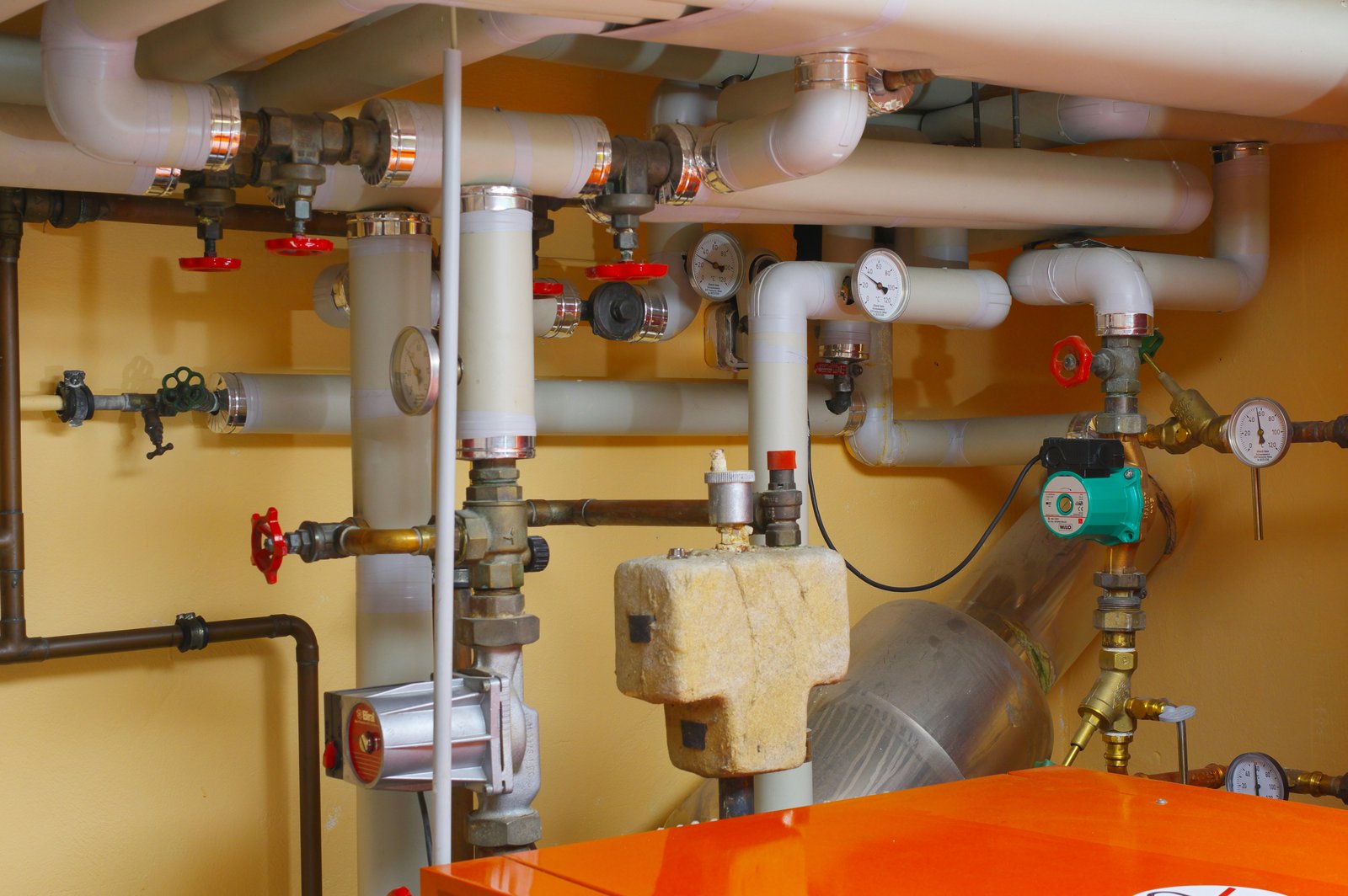
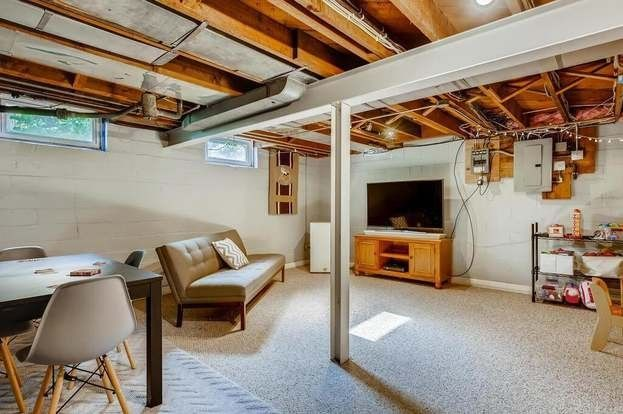
Ventilation, ceiling planning, lighting, and flooring choice also matter more than many homeowners expect. A basement usually has ducts, pipes, wiring, or utility equipment that need to be worked into the final design without making the room feel awkward. Flooring should be practical for the basement environment, not just chosen for appearance. Lighting needs to make up for the lack of natural brightness so the room feels open and pleasant instead of dark and flat.
These basics may not be the exciting part of the project, but they shape how the basement performs every day. When they are handled correctly, the space becomes much more durable, usable, and comfortable for the long run.
How to Plan a Basement Project for Long-Term Value
A basement project brings the best value when it is planned around real needs instead of vague ideas. Some homeowners start with the simple goal of “finishing the basement,” but that is only the beginning. A better approach is to decide exactly how the space should work once it is done. Will it be used for relaxing, working from home, hosting guests, giving kids a place to play, or doing a little bit of everything? The clearer that purpose is, the easier it becomes to make good decisions about layout, storage, lighting, and materials.
Long-term value also depends on not overbuilding the space in ways that do not match the home or the household. A basement does not need every possible feature to be worth the investment. In many cases, smart layout choices, durable materials, and solid hidden work matter more than expensive extras. Homeowners often get better results when they focus on comfort, flexibility, and quality rather than trying to copy high-end ideas that may not fit how they actually live.
It is also important to think ahead. A flexible basement can adapt over time as the household changes. A playroom may later become a teen hangout, a guest room, or a home office. Built-in storage, simple zoning, and practical finishes help the space stay useful for years instead of feeling tied to one narrow purpose.
The best long-term value comes from a basement that feels like a natural part of the house and keeps working well without constant fixes or regret. When the plan is thoughtful from the start, the finished result can improve daily life, add usable square footage, and make the whole home feel more complete.