
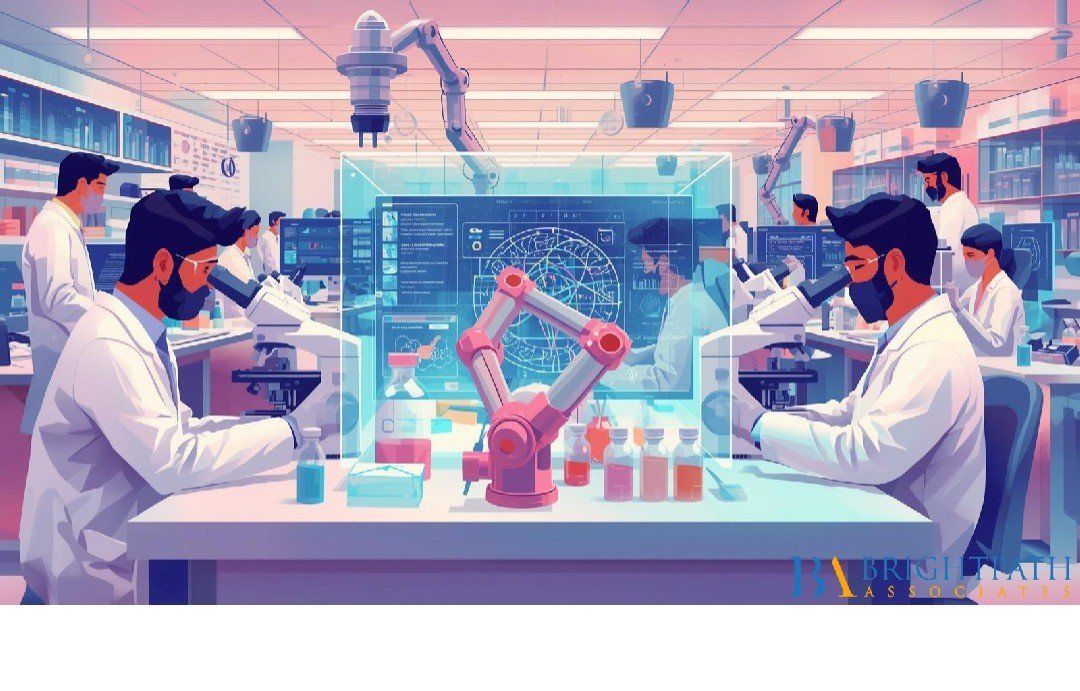
The biotech industry stands at a turning point. New tools and discoveries arrive every month. Companies face a future filled with promise and fierce competition.
Science moves fast, and so does the fight for skilled people. To succeed, leaders must understand both the latest lab breakthroughs and the changing talent market. Let’s explore key innovations and hiring changes below.
Breakthrough Innovations Driving Biotech
Artificial intelligence now defines how we find new drugs. Machine learning models screen billions of molecules in days. This slashes early research time from years to months. Startups and giants alike pour money into AI platforms. Faster paths to the clinic mean saving more lives.
Gene editing tools like CRISPR keep getting sharper. Personalized medicine grows with it. Doctors can now tailor a cancer therapy to a single patient’s tumor profile. The industry now builds living medicines. Cell and gene therapies are cures where old drugs only managed symptoms.
Industry Demands and Job Opportunities
The demand for skilled professionals has skyrocketed. Industries require people with backgrounds in data analysis, engineering, and regulatory affairs. Here are some areas where job growth is notable:
- Clinical research and development
- Regulatory affairs and compliance
- Laboratory technologists
- Data scientists
- Bioinformatics specialists
These positions reflect the intersection of life sciences and technology. Employers can now partner with specialized recruiters like Cornerstone Search Group to find the right candidates. Job seekers can position themselves in the job market.
Hiring Trends in Biotechnology
There are distinct hiring trends emerging in the biotechnology sector. Companies are valuing adaptability and interdisciplinary skills in candidates. Many projects may involve collaboration across various scientific fields. Potential candidates should also have soft skills, including communication and teamwork.
Another trend is the rise of remote work opportunities. Many biotech firms embrace hybrid work models so that employees can balance lab work with remote tasks. This flexibility is appealing to professionals who prioritize work-life balance.
Manufacturing and Scalability Challenges
Innovative therapies mean nothing if they cannot reach patients. Cell and gene therapies are hard to manufacture. Each batch may be a patient’s own modified cells. This requires precise logistics and a cold chain that must not break. Errors can ruin a life-saving treatment.
Scaling production is a top priority. Companies must build or contract specialized facilities. They need leaders who have solved tough supply chain puzzles before. Firms that scale reliably will survive the valley of death between clinical success and market access.
Building a Resilient Biotech Workforce
The future belongs to companies that invest in their people. Leaders must create cultures where scientists and data engineers thrive together. They need clear paths for growth. Mentorship programs keep high-potential employees from leaving.
Biotech must also look wider. Diversity drives better science. Different perspectives catch blind spots in study design and patient outreach. The industry will keep pushing into new areas like aging and regenerative medicine.
The workforce must adapt again and again. The firms that win will mix innovation with smart, humane people strategies. They will partner with experts and build teams that last.
Your Future in Biotechnology
The future of biotechnology is bright, with opportunities waiting for those ready to seize them. Companies that invest in biotech innovations and thoughtful hiring will define the next decade. The path forward demands a bold combination of ambition and strategy.
For more blog posts, check out our other articles.