The role of Interior Doors is often defined by how effectively they manage separation while still allowing a space to feel cohesive. Rather than acting as static barriers, they function as transition elements that support privacy, movement, and spatial organization across different areas of a building.
In many interior setups, these components become part of the home or workspace’s structural rhythm. Their placement and design influence how rooms relate to each other without requiring permanent construction changes.
Structural Variety and Build Composition
Interior doors are built in different constructions depending on usage and installation needs.
Common structural variations include:
- Solid core builds for durability and strength
- Hollow core designs for lightweight and budget-friendly use
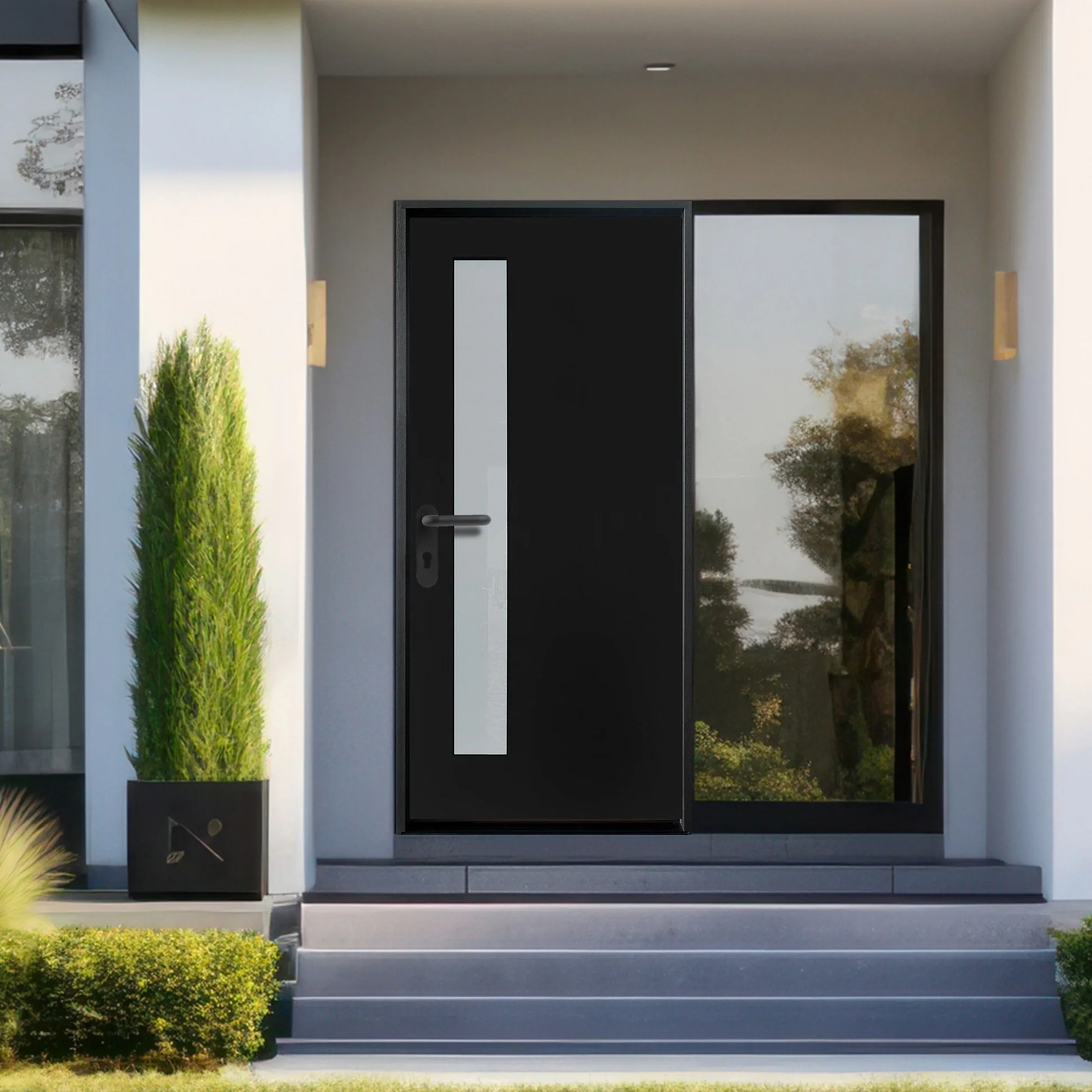
- Glass panel frames that balance openness and separation
- Pre-assembled units that simplify installation
- Fire-rated assemblies for safety compliance in specific areas
These options help match door selection with practical requirements rather than appearance alone.
Interaction With Interior Lighting and Visibility
Doors can also influence how light travels through enclosed spaces. Some designs encourage openness between rooms, while others prioritize full visual separation.
Glass-enhanced models can introduce borrowed light into darker areas, reducing the need for artificial lighting during daytime hours. More opaque designs support visual privacy where needed, particularly in bedrooms, offices, and utility spaces.
Practical Function in Daily Movement
The usability of interior doors depends on how well they handle frequent daily use. Proper sizing, alignment, and smooth movement all contribute to reliable performance.
Key operational factors include:
- Easy operation in narrow or high-traffic spaces
- Durability under repeated use
- Long-term hinge stability
- Smooth integration with flooring transitions
- Secure closing without gaps or shifting
These points help maintain consistent function over time after installation.
Environmental Adaptation and Material Behavior
Interior conditions, such as humidity and temperature fluctuations, can affect how door materials perform over time. Some materials expand or contract depending on climate exposure, while others remain more dimensionally stable.
Engineered compositions are often used in environments with fluctuating moisture levels, while natural wood finishes may require additional care to maintain long-term stability. Surface treatments also help extend durability by reducing wear from contact and cleaning.
Application-Based Selection Factors
Different rooms require different door features based on their function:
- Bedrooms need privacy and sound control
- Bathrooms require moisture resistance and proper sealing
- Work areas benefit from noise reduction
- Storage spaces prioritize durability and easy access
- Common areas often favor light flow and openness
Choosing the right type for each space supports comfort and practical daily use.
Access to Design-Oriented Collections
Interior door options are available through suppliers specializing in construction and renovation materials. A broad selection of configurations supports different spatial and functional needs, allowing choices based on both performance and design preferences.
These doors play a key role in shaping indoor environments. Their construction, placement, and operation directly influence how spaces function, making them an important element in interior planning.