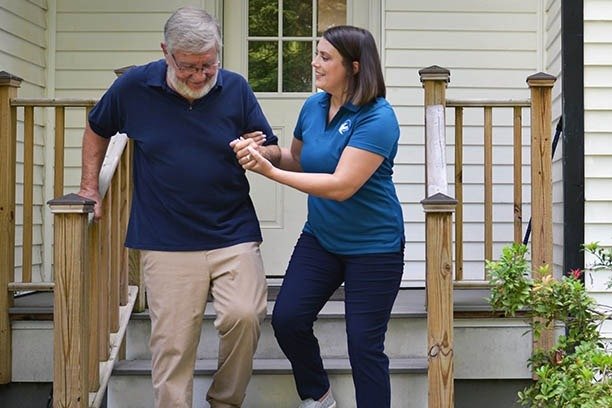
Most families don’t start looking for home care because everything is falling apart. They start because something feels slightly off. Mom is skipping meals more often. Dad seems unsteady on the stairs. The house looks less kept than usual. Or you’re getting more “just checking in” calls late in the day.
Home care can absolutely help, but the results depend on how well the care fits the person. Seniors aren’t all the same. One person needs gentle structure and companionship. Another needs hands-on support in the morning. Someone else is fine most of the day but struggles at night. That’s why personalized in-home Senior Care in Ashburn, VA matters so much. The best care isn’t just a list of tasks. It’s a plan built around real daily life, real risks, and what your loved one is comfortable with.
Local in-home support from Visiting Angels
A personalized plan starts with listening. A strong agency should ask how your loved one’s day normally goes, what feels difficult, what causes stress, and what matters most to them. That’s the difference between “we can do a few tasks” and “we can support the whole routine.”
Many Ashburn families look for a provider that can start small, stay consistent, and adjust quickly if needs change. Visiting Angels Leesburg works with families to build care around the senior’s routines, safety needs, and preferences so support feels natural rather than disruptive.
What a personalized care plan should include
A real care plan is more than “three hours on Tuesdays.” It should spell out what support looks like and why.
Daily living needs
A good plan considers how your loved one is handling:
- bathing, grooming, dressing, and toileting
- mobility and safe transfers
- meal routines and hydration
- basic home upkeep tied to safety and daily living
- reminders that support routine consistency
Personal preferences
This matters more than families expect. Seniors are more likely to accept care when it respects their habits and comfort.
- preferred wake-up time and bedtime
- food preferences and mealtime rhythm
- privacy needs and what feels “too intrusive”
- communication style that works best
- preferred activities and what helps them feel calm
Risk factors and safety priorities
A plan should address the real risks in the home and the senior’s patterns.
- fall risk and bathroom safety routines
- stairs, transfers, and nighttime movement
- memory changes that affect safety
- confusion around medications or meals
- anxiety, agitation, or late-day restlessness
Family goals and communication
Care doesn’t happen in a vacuum. Good plans include:
- who the main family contact is
- what updates matter and how often they’re shared
- what to do if a caregiver notices a change
- how scheduling changes are handled
When these pieces are clear, everyone feels less stressed and more in control.
Benefit one better safety with fewer emergencies
Generic care often misses the moments when accidents happen. Personalized care focuses on the high-risk parts of the day.
For one senior, that might be showering. For another, it’s getting up too quickly from a chair. For someone with early memory changes, it may be the kitchen or the front door. A tailored care plan identifies those patterns and puts support in the right places.
Practical examples of “personalized safety” might include:
- scheduling care during morning hygiene routines because that is when falls almost happen
- adding evening support because fatigue and confusion increase after dinner
- building a safer bathroom routine with consistent pacing and setup
- creating a clear pathway through the home based on how the senior actually walks
Caregivers also notice early warning signs. A senior who starts shuffling, avoiding stairs, or skipping showers often needs adjustments before a fall or ER visit forces the issue.
Benefit two stronger routines for meals hygiene and sleep
A steady routine is one of the most underrated tools in senior care. It reduces stress and prevents a lot of small problems from turning into big ones.
A personalized care plan strengthens routines by making them realistic and consistent:
- meals at the times the senior actually eats
- hydration prompts that don’t feel nagging
- hygiene support that respects dignity and privacy
- a calmer evening routine to reduce nighttime restlessness
When routines are personalized, seniors are more likely to cooperate. They feel less pushed. They feel less confused. And families are not constantly wondering whether their loved one ate lunch or took a shower.
Benefit three better emotional well-being and less resistance
Care is not only physical. Mood and emotion affect everything. A senior who feels lonely, anxious, or frustrated may resist help and withdraw from routines.
Personalized care helps because it aligns with the person’s personality and comfort level:
- Some seniors respond best to quiet, steady companionship.
- Others do better with gentle conversation and activity.
- Some feel calmer with music, familiar shows, or simple tasks that create purpose.
When the caregiver relationship is consistent, trust builds. When trust builds, resistance often drops. That can make personal care routines smoother and reduce stress for everyone involved.
Benefit four less stress for families
Families are often doing two jobs at once. They’re helping their parent, and they’re managing the entire system around care. A personalized plan reduces stress because it creates clarity.
Families typically feel relief when:
- the schedule is predictable
- the plan addresses the senior’s hardest moments
- there is a clear point of contact for updates
- changes are handled quickly without drama
- caregivers understand the senior’s preferences and triggers
Personalized plans also support caregiver burnout prevention. When family members know exactly when help is coming and what it covers, they can plan their own lives again.
When a care plan should be updated
A good care plan is not a one-time document. It should change when life changes.
Common times to update:
- after a fall or near-fall
- after a hospital discharge or illness
- when memory changes begin affecting safety
- when appetite or hydration routines decline
- when sleep patterns shift or nighttime confusion increases
- when the family caregiver’s availability changes
The best agencies treat updates as normal, not as a problem. If your loved one’s needs change, the plan should adjust quickly.
How to tell if an agency is truly personalizing care
When you’re interviewing providers, ask questions that reveal whether they have a real process.
Questions that matter:
- How do you assess routines and risks before starting
- How do you match caregivers to personality and needs
- What happens if the caregiver is not a good fit
- How do you handle call-outs and backup coverage
- How often do you review the plan and update it
- How do families receive updates and who is the point of contact
Green flags include specific answers, clear policies, and a willingness to tailor schedules around your loved one’s real day rather than a generic template.
Conclusion
Personalized care plans matter because senior care is not just a set of tasks. It is daily life. When a plan fits the person, seniors stay safer, routines become steadier, and families feel less stressed. Care also becomes easier to accept because it feels respectful, predictable, and aligned with what the senior is used to.
If you’re considering home care in Ashburn, focus less on “how many hours” and more on “how well does this plan match my loved one’s needs.” A plan that starts small and adapts over time often leads to the best outcomes for seniors and families alike.