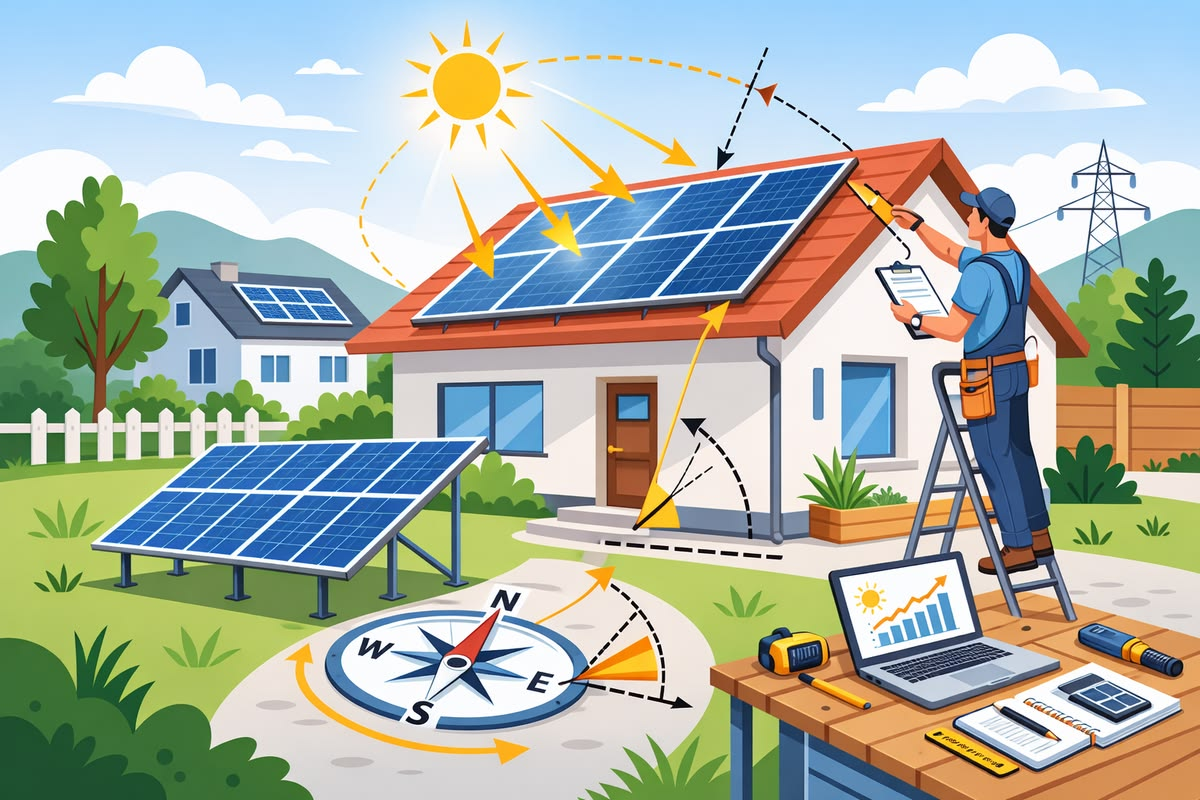
The placement of solar panels directly impacts their efficiency and the amount of energy they can generate. Solar panels capture energy from the sun, but their effectiveness depends on their orientation, tilt, and position relative to sunlight. A well-placed solar system maximizes exposure to sunlight throughout the day, ensuring high energy production. Panels installed at an angle or facing the wrong direction can reduce the amount of solar energy they collect, resulting in lower overall output. Sunlight varies depending on the time of day, season, and geographic location, so the orientation of the panels needs to be tailored to these factors to maximize energy generation. Proper placement is a key factor in getting the most from a solar investment, as even minor misalignments can cause significant drops in efficiency. Therefore, homeowners or businesses must consider these factors when installing solar panels to maximize energy production.
Placement Determines Solar Output
- The Role of Roof Angle and Orientation
The angle at which solar panels are installed plays a crucial role in determining how much sunlight they absorb. In regions with high sun exposure, panels are typically installed at a steeper angle to capture more direct sunlight. In areas with lower sun angles or more cloudy days, a flatter installation might be more appropriate to ensure panels are positioned optimally throughout the year. The direction panels face is equally important—south-facing panels in the Northern Hemisphere generally receive the most sunlight, as they are aligned with the sun’s path. A certified solar energy company in Los Angeles can assess local sun exposure and recommend the best angle and direction for your system. By understanding the best angle and orientation for the specific location, the system can function at its highest potential, ensuring efficient energy production throughout the day and across all seasons.
- Shading and Its Impact on Energy Efficiency
Shading is one of the most significant factors that can negatively impact the performance of solar panels. Even partial shading from trees, buildings, or other structures can reduce energy production. Solar panels rely on direct sunlight to produce electricity, and when shaded, their output drops dramatically. This effect is not always linear—sometimes shading one panel can reduce the efficiency of the entire system, especially if the panels are wired in series. Shading is particularly problematic during peak sunlight hours, typically midday, when solar output is at its highest. It is crucial to assess the surrounding environment to minimize shading, particularly from nearby trees, utility poles, or other structures. Proper placement involves considering potential sources of shade throughout the year, as the sun’s angle and position shift seasonally. This foresight ensures the panels receive maximum sunlight exposure and produce more energy.
- The Effect of Local Climate on Panel Placement
The local climate can also influence the ideal placement of solar panels. In areas with high heat, such as deserts or warm regions, the panels should be installed with proper airflow around them to prevent overheating, which can reduce efficiency. On the other hand, colder climates may allow for more flexible panel positioning, as panels can operate more efficiently in cooler temperatures. Additionally, the amount of sunlight in a particular region plays a significant role in determining the ideal placement. In regions with frequent cloud cover, solar panels may need to be placed at angles that maximize their ability to capture indirect light. A solar energy company in Los Angeles will take climate conditions into account when designing and placing a solar system. They will factor in temperature variations, seasonal sun intensity, and overall sunlight exposure to ensure the panels perform efficiently throughout the year, while adjusting for local weather conditions.
- Roof Type and Available Space for Solar Panels
The type of roof and the available space for installing solar panels are crucial factors in determining energy production. Not all roof types are conducive to solar panel installation. Sloped roofs are typically easier to work with, providing a larger surface area for solar panels and more flexibility in positioning. Flat roofs, however, can be just as effective, but they require specialized mounting systems to achieve the correct angle and maximize sunlight exposure. Roof space availability is also a key factor—larger roofs can accommodate more panels, allowing for higher energy production. The roof layout and any obstructions, such as chimneys, vents, or skylights, must be considered to avoid limiting the available area for solar installation. Proper use of roof space ensures solar panels are optimally positioned to maximize energy generation, which is vital for long-term energy savings and system performance.
- Maintenance and Long-Term Efficiency
Solar panels require minimal maintenance, but their placement can influence how easy they are to maintain over time. Panels placed in hard-to-reach areas or on steep roofs can be challenging to clean and maintain, potentially affecting their long-term performance. Dirt, dust, bird droppings, and debris can accumulate on the surface of the panels, reducing their ability to absorb sunlight and diminishing energy production. Proper placement allows for easier cleaning and maintenance, ensuring the system operates efficiently over the years. Furthermore, periodic checks on the wiring, mounting, and overall condition of the system are necessary to ensure that everything is functioning properly. When panels are installed with ease of access in mind, maintenance becomes more manageable, helping ensure long-term durability and consistent energy production. Over time, this can significantly impact the system’s overall lifespan and return on investment.
In conclusion, the placement of solar panels is a crucial factor in their efficiency and energy production. Given the surrounding environment and climate conditions, each detail contributes to how much energy a system can generate. Proper placement minimizes shading, maximizes sunlight exposure, and ensures optimal panel performance year-round. Local climate and roof type also play important roles in determining the most efficient installation, while maintenance and accessibility contribute to the system’s long-term durability. Investing in a solar system with the right placement not only maximizes energy production but also optimizes the financial return on the investment. By considering all these factors, property owners can enjoy reliable, cost-effective energy for years to come.