
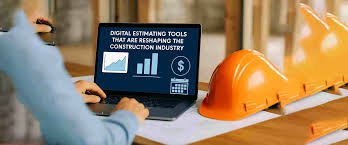
Construction estimation used to be a slow, manual game. Teams traced drawings, checked quantities by hand, compared quotes in spreadsheets, and hoped the latest revision was the one everyone else was using, too. That old approach still exists on many jobs, but it is losing ground fast. The tools around it have changed. Models are more detailed. Takeoff is more connected. Claims pricing is more structured. And estimate updates happen much closer to the actual design. That shift is changing how contractors, estimators, owners, and repair teams think about cost control.
From drawings to computable project data
BIM Models are the reason estimation is becoming more reliable. A model is not just a visual file anymore. NIBS says design-to-quantity takeoff uses an open IFC-based exchange so project teams can assess material quantities and project construction cost directly from model data. Autodesk explains the same idea in simpler language: a computable model lets a wall, slab, opening, or system be understood as an actual building assembly, which can then be quantified and priced. That is a major change. It means estimation starts with measurable geometry instead of interpretation.
When the model is built for quantity work, the estimator gets a cleaner starting point. NIBS says the QTO process loads the BIM Modeling Companies and a database of construction recipes, then uses measured model quantities to project cost. That is important because a cost estimate becomes only as trustworthy as the quantities behind it. If the model is stale or incomplete, the estimate inherits the same weakness. If the model is current and structured, the estimate gets a much better foundation.
What technology changes first
- The scope is visible earlier
- Quantities can be refreshed faster
- Revisions are easier to trace
- Coordination issues show up before site work begins
- Procurement decisions can be based on current data
What recent BIM data says about estimation
| Measure | Reported effect | Why it matters |
| Project timeline | 20% reduction | Faster delivery and fewer delays |
| Project cost | 15% reduction | Better budget control |
| Design errors | 30% reduction | Less rework in the field |
| RFIs | 25% reduction | Fewer coordination bottlenecks |
| BIM-based QTO time savings | 30% on one project, and the takeoff time was cut by more than 50% | Faster estimating and better throughput |
The numbers are useful because they show that BIM is not only about cleaner drawings. It is about reducing the friction that usually makes estimating slow, expensive, and unstable. A 2025 study found BIM adoption cut timelines by 20 percent and costs by 15 percent, while also reducing design errors and RFIs. That is a big reason the industry is moving toward model-driven estimation instead of treating it as an optional extra.
Why has the estimate itself become more connected
Technology is also changing the estimating process around the model. Autodesk says construction takeoff is the first step in estimating and describes takeoff as listing and measuring the materials needed to calculate project cost. Its training materials go further: estimators can now extract quantities from Revit models, apply cost parameters through schedules and formulas, and use cloud-based takeoff tools that combine 2D and 3D quantities. That is a much more fluid process than the old manual count-and-key-in routine.
This is where Construction Estimating Service sits in the middle of the workflow. The model gives the counts. The estimator adds the practical cost logic: labor, materials, subcontractors, equipment, indirect costs, overhead, and contingency. Autodesk’s estimating guidance says those pieces belong together, and WBDG says cost estimating should define material, labor-hour, and equipment-hour quantities and apply unit costs to the quantity survey. In other words, the estimate is not just a total. It is a controlled translation from measured scope to real-world cost.
That middle layer matters because a quantity can be correct and still produce the wrong budget if the installation context is ignored. A wall might be easy to count, but hard to build. A finish might be cheap to buy and expensive to install. A job with tight access or phased occupancy may need more labor than the model alone implies. The estimator’s role is to catch those things before they become a field problem.
How estimating has become more digital
| Workflow step | Old approach | New approach |
| Quantity takeoff | Manual measurement from drawings | 2D + 3D extraction from connected model data |
| Cost build-up | Spreadsheet-based pricing with static quantities | Schedules, formulas, and model-linked cost parameters |
| Collaboration | Separate copies of the estimate | Single source of truth in the cloud |
| Revision handling | Recount by hand | Quantities can be refreshed from the current model data |
Autodesk’s takeoff platform says cloud-based data management keeps estimators and construction teams working from a single source of truth, while automated 3D takeoff provides instant access to quantities from the BIM model. That is what makes the workflow feel different now. Estimators are no longer working several steps behind the design. They are working alongside it.
Why speed matters, but only when accuracy holds
Technology is not helping because it is fast alone. It is helping because it is fast and structured. Autodesk’s Forma Takeoff page says the platform lets teams generate 2D takeoffs and 3D quantities from a single solution, and it highlights that better scope understanding helps avoid rework and reduce the risk of inaccurate takeoffs. That is a practical win: if the scope is wrong, a fast estimate only gets the wrong answer sooner. If the scope is right, speed becomes a real competitive advantage.
A clear example shows why that matters. Suppose a project has 18,000 square feet of interior wall at an installed rate of $21 per square foot.
- 18,000 × 21 = $378,000
If a design revision adds 5 percent more wall area, the new quantity becomes 18,900 square feet.
- 18,900 × 21 = $396,900
That one revision adds $18,900. The math is simple, but the impact is not. On a larger project, the same percentage error can swing the budget by hundreds of thousands of dollars. This is why model-based quantity refreshes are so valuable. They turn a design change into a visible cost event instead of a hidden risk.
Example of how a design change affects cost
| Item | Baseline | After 5% change | Difference |
| Wall area | 18,000 sf | 18,900 sf | +900 sf |
| Installed rate | $21/sf | $21/sf | — |
| Estimated cost | $378,000 | $396,900 | +$18,900 |
That kind of calculation is easy to understand, which is exactly why connected estimation tools matter. They make the financial effect of design changes visible early enough to act on them.
Why insurance and repair work changed too
Technology is also transforming claims and restoration estimating. Verisk says Xactimate is property claims estimating software that is precise, fast, and flexible. Its documentation shows that it includes labor minimums, price-list information, project merge, graphical estimation, payment tracking, and price list cost management. It also says Xactimate publishes monthly pricing data for more than 460 geographic regions and analyzes more than 124 million data points each year from estimates used to settle repair claims. That is a lot of pricing intelligence feeding one estimate engine.
That same system handles the small-job issue that often breaks repair estimates. Verisk’s labor-minimum guidance says Xactimate can supplement labor until a predefined minimum charge is reached. The example in the document shows a 4-square-foot drywall item carrying only $3.96 of drywall labor, while the total labor minimum is $166.18, so the minimum adjustment adds $162.22. That is a good reminder that a tiny repair is rarely a cheap repair. The job still needs setup, travel, prep, cleanup, and trade-specific minimum labor.
Xactimators estimations in repair workflows
Before the final thought, Xactimators Estimating Services deserves a mention because repair and insurance work still need structured pricing even when the job is small. Xactimate’s documentation says users can apply labor minimums, adjust base amounts, manage price lists, and use inspection and project tools to keep estimates controlled. In repair jobs, that structure helps a claim stay defensible when the scope expands after demolition or when the work has to be explained to an adjuster or owner.
Final thought
Technology is transforming construction estimation because it is changing the source of truth. BIM gives teams computable building data. Cloud takeoff and estimating tools turn that data into live quantities, current budgets, and faster collaboration. Claims platforms like Xactimate do something similar for repair work by adding pricing logic, labor minimums, and mobile estimating. The result is a more connected estimating process, fewer blind spots, and faster responses when the design or the damage changes. That is the real shift: estimation is no longer just a number. It is a live part of project control.
FAQs
1. Why is BIM so important for construction estimation?
Because BIM creates computable project data that can be quantified, priced, and updated as the design changes, instead of relying only on manual interpretation of drawings.
2. What do Construction Estimating Services add if the model already has quantities?
They add cost logic: labor, materials, subcontractors, equipment, overhead, contingency, and the practical judgment needed to price the real job correctly.
3. Why does Xactimate matter in repair and claims work?
It standardizes estimating with labor minimums, local price lists, graphical estimating, mobile capture, and cloud sync, which helps damage estimates stay consistent and defensible.