
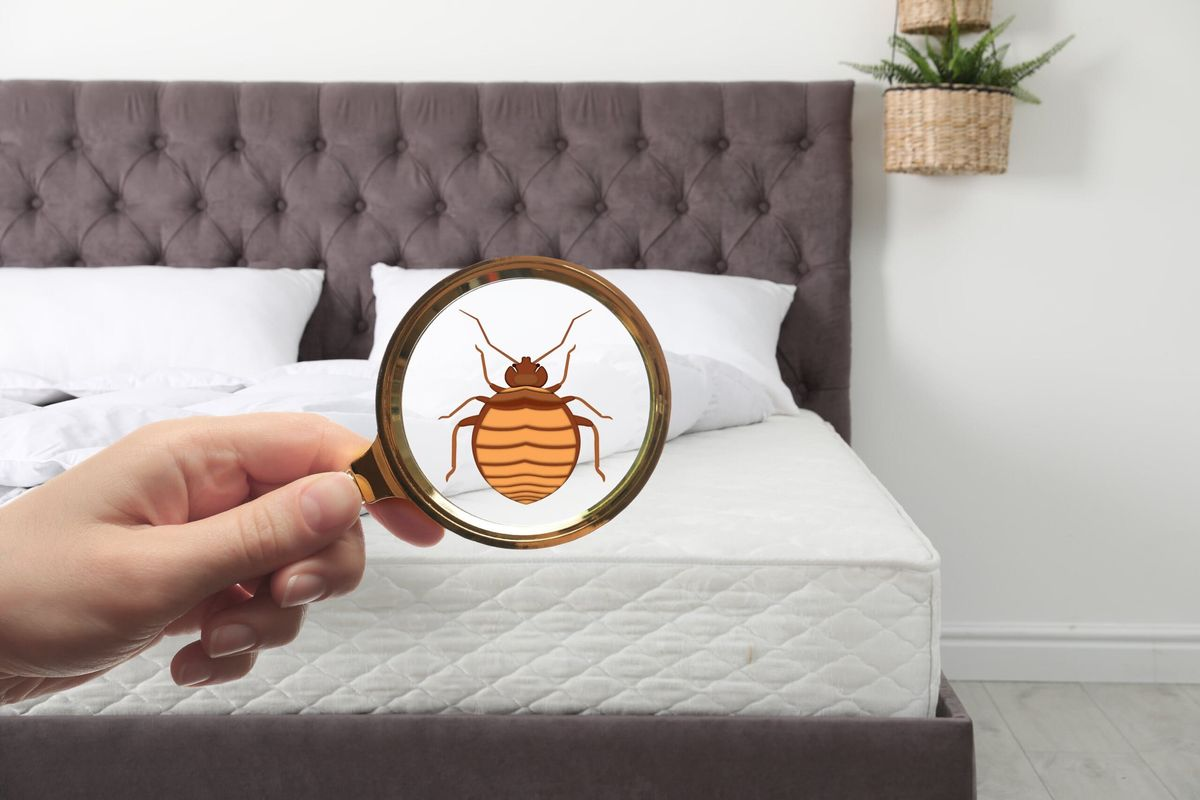
Bed bugs are notorious for their resilience and ability to thrive in a variety of environments, including those with fluctuating temperatures. Many people assume that colder indoor conditions will naturally reduce or eliminate bed bug activity, but these pests have evolved to survive and remain active even when the thermostat drops. Understanding why bed bugs persist in cooler indoor climates is crucial for effective management and prevention. Their unique biology, behavioral adaptations, and the nature of indoor environments all contribute to their ongoing activity, making them a persistent concern for homeowners and property managers throughout the year.
What keeps bed bugs active in the cold?
The biology of bed bugs and temperature tolerance
Bed bugs are small, wingless insects that feed exclusively on the blood of warm-blooded animals, primarily humans. Their survival is closely linked to their ability to adapt to a range of environmental conditions, including temperature variations. Unlike some insects that enter a dormant state or die off in cold weather, bed bugs have developed physiological mechanisms that allow them to withstand lower temperatures for extended periods. Their bodies can slow down metabolic processes, reducing their need for frequent feeding and allowing them to conserve energy. However, this does not mean they become inactive; instead, they remain hidden in cracks, crevices, and other sheltered locations, waiting for the opportunity to feed. Indoor environments rarely reach temperatures low enough to threaten their survival, as most homes are kept above freezing even in winter. This ability to tolerate and adapt to cooler conditions is a key reason why bed bugs continue to be a problem regardless of the season.
Indoor heating and human activity
Modern indoor environments provide a stable and comfortable habitat for bed bugs, even during the coldest months of the year. Central heating systems maintain temperatures that are ideal for bed bug survival and reproduction, typically between 65 and 80 degrees Fahrenheit. Human activity further supports their persistence, as people continue to sleep, rest, and spend time in bedrooms and living areas where bed bugs are most likely to be found. The presence of humans provides a consistent food source, allowing bed bugs to feed and reproduce without interruption. Even in rooms that are less frequently used or kept cooler, bed bugs can survive for months without feeding, emerging when conditions become favorable. For those seeking bed bug treatment Rockford, understanding the role of indoor heating and human behavior is essential for effective control and prevention strategies.
Bed bug behavior in cooler conditions
Bed bugs are highly adaptable creatures that adjust their behavior based on environmental cues. In cooler indoor conditions, they may become less active during the day, conserving energy and reducing movement to avoid detection. However, their primary motivation remains the search for a blood meal, which drives them to emerge at night when hosts are present. Bed bugs are attracted to the warmth and carbon dioxide produced by sleeping humans, which helps them locate their next meal even in a cooler room. Their ability to hide in tiny cracks, behind baseboards, and within mattresses allows them to avoid exposure to colder air, further enhancing their survival. While lower temperatures can slow their development and reproduction rates, bed bugs do not enter a true state of dormancy unless exposed to prolonged freezing conditions, which are rare in most indoor settings. This behavioral flexibility ensures that bed bugs remain a persistent nuisance, regardless of seasonal changes.
Short-term cold exposure and survival
Bed bugs can survive short-term exposure to cold temperatures, especially when those temperatures are not sustained. Brief drops in room temperature, such as those that occur when windows are opened or during temporary heating outages, are unlikely to have a significant impact on bed bug populations. Research has shown that bed bugs can withstand temperatures as low as 46 degrees Fahrenheit for several days without dying. Their ability to seek out insulated hiding spots, such as within walls or furniture, further protects them from the effects of cold. This resilience means that simply lowering the thermostat or relying on cold weather is not an effective method for controlling bed bug infestations. Instead, targeted interventions and consistent monitoring are necessary to address the problem.
The challenge of eradicating bed bugs in winter
Eliminating bed bugs during the winter months presents unique challenges due to their ability to remain active and hidden in heated indoor environments. Many people mistakenly believe that cold weather will naturally reduce bed bug populations, leading to delays in seeking professional help or implementing control measures. However, bed bugs can continue to feed, reproduce, and spread throughout a property as long as indoor temperatures remain within their tolerance range. This persistence underscores the importance of comprehensive management strategies that address both the insects and their hiding places. Effective eradication requires a combination of thorough cleaning, targeted treatments, and ongoing vigilance to prevent reinfestation. Homeowners should be aware that bed bugs are not a seasonal problem and that proactive measures are necessary year-round to keep them at bay.
Conclusion
Bed bugs have evolved to survive and remain active in a wide range of indoor conditions, including those that are cooler during the winter months. Their biological adaptations, behavioral flexibility, and the consistent warmth provided by modern heating systems all contribute to their persistence in homes and other buildings. Relying on cold weather alone is not sufficient to control or eliminate bed bug infestations, as these pests can withstand short-term drops in temperature and continue to thrive as long as a food source is available. Understanding the factors that allow bed bugs to remain active in colder indoor environments is essential for effective prevention and management. By staying vigilant and implementing comprehensive control strategies, property owners can reduce the risk of ongoing infestations and maintain a comfortable, pest-free living space throughout the year.