Running a business involves far more than managing staff, serving customers, and balancing costs. The comfort of your building also plays a major role in day-to-day operations. Whether you manage an office, retail unit, restaurant, warehouse, or healthcare facility, a reliable heating and cooling system helps create a productive and comfortable environment for both employees and visitors.
Many business owners only think about their HVAC system when something goes wrong. However, understanding how commercial systems work, how they differ from residential units, and why regular maintenance matters can help prevent costly disruptions. Investing in dependable commercial HVAC service early can also improve efficiency, reduce energy expenses, and extend the lifespan of essential equipment.
How Commercial HVAC Systems Differ From Residential Systems
Commercial HVAC systems are designed to handle larger spaces, higher occupancy levels, and more complex airflow requirements than residential systems. While home units generally heat or cool a few rooms, commercial systems often manage multiple floors or separate zones within one building.
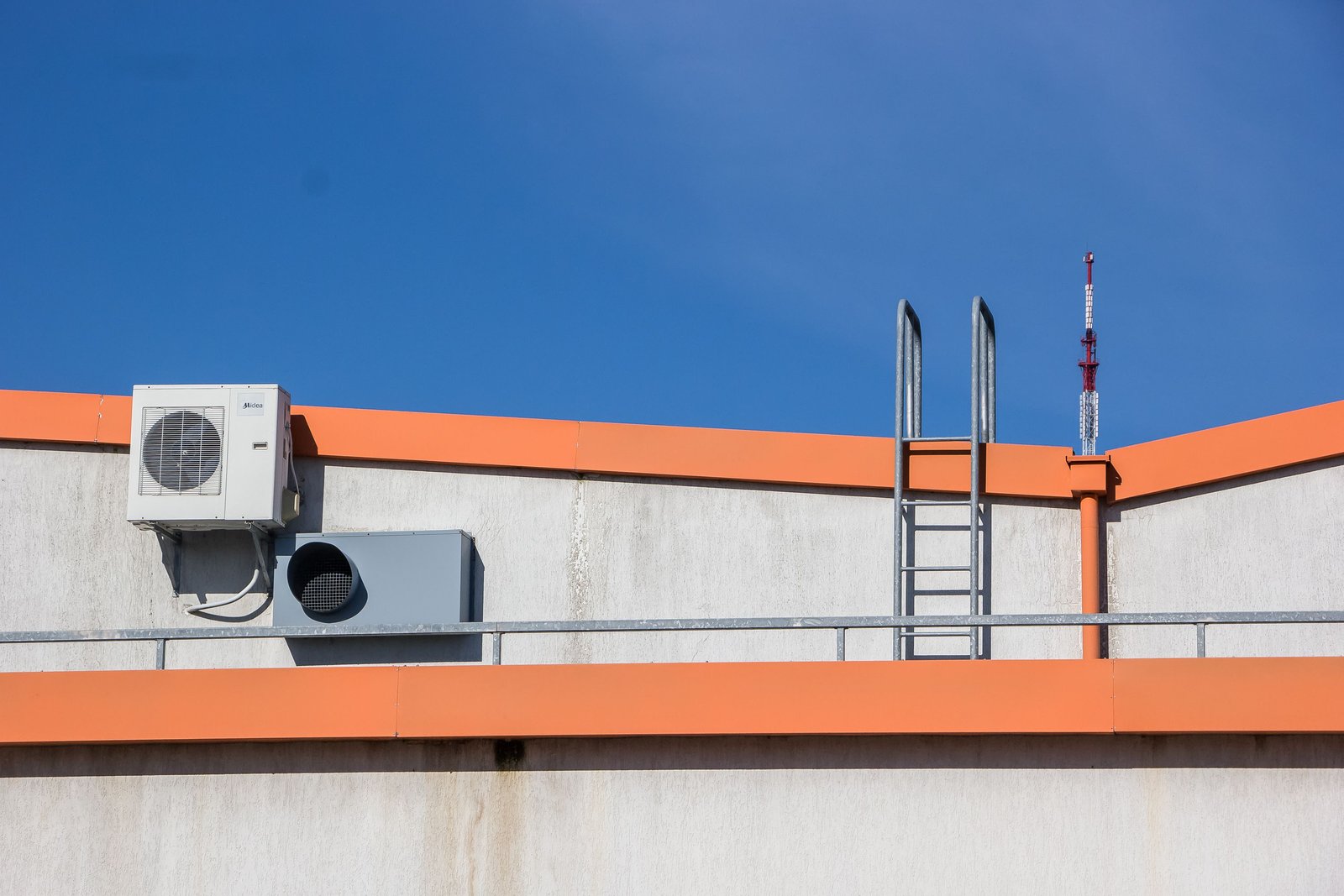
These systems are usually installed on rooftops or in dedicated mechanical areas to save indoor space and simplify maintenance access. They also rely on more advanced controls, larger ductwork, and higher-capacity equipment to maintain consistent temperatures across different areas.
Another key difference is operational demand. Commercial systems often run for longer hours every day, especially in businesses that operate continuously or welcome large numbers of customers.
Why Energy Efficiency Matters for Businesses
Heating and cooling expenses can account for a significant portion of a building’s operating costs. An inefficient HVAC system may increase monthly utility bills without delivering reliable performance.
Modern commercial HVAC systems are designed with energy efficiency in mind. Features such as programmable thermostats, zoning controls, and variable-speed components help regulate energy use more effectively. These technologies allow businesses to maintain comfortable conditions while reducing unnecessary energy consumption.
Energy efficiency also supports broader business goals. Lower utility costs can improve long-term profitability, while environmentally conscious operations may appeal to customers, employees, and investors who value sustainability.
Signs Your Commercial HVAC System Needs Attention
HVAC problems rarely appear without warning. In many cases, systems show signs of declining performance long before a complete breakdown occurs.
Business owners should watch for these common warning signs:
- Uneven temperatures throughout the building
- Weak airflow from vents
- Unusual noises such as rattling or grinding
- Rising energy bills without increased usage
- Frequent cycling on and off
- Persistent humidity problems indoors
- Unpleasant odours coming from the system
- Complaints from employees or customers about comfort
Ignoring these issues can lead to larger repairs, reduced indoor comfort, and even temporary business interruptions.
The Importance of Preventive Maintenance
Preventive maintenance is one of the most effective ways to protect a commercial HVAC investment. Routine servicing helps identify small issues before they develop into expensive repairs or complete system failures.
Professional maintenance appointments typically include:
System Inspections
Technicians inspect major components, electrical connections, filters, coils, belts, and refrigerant levels to ensure everything operates safely and efficiently.
Cleaning and Airflow Checks
Dust and debris can restrict airflow and force systems to work harder than necessary. Cleaning internal components helps maintain efficiency and indoor air quality.
Performance Testing
Regular testing allows technicians to monitor system performance, identify wear and tear, and recommend adjustments when needed.
Businesses that follow a maintenance schedule often experience fewer emergency repairs, lower operating costs, and longer equipment lifespans.
Indoor Air Quality Is More Important Than Ever
Commercial HVAC systems do more than regulate temperature. They also influence indoor air quality, which directly affects comfort, health, and productivity.
Poor ventilation or dirty filters can allow dust, allergens, and airborne pollutants to circulate throughout a building. In busy commercial spaces, this can contribute to discomfort, reduced concentration, and increased illness among staff or visitors.
Improving indoor air quality may involve upgrading filtration systems, increasing ventilation, or incorporating humidity control solutions. Regular filter replacement and duct inspections also help maintain cleaner indoor environments.
Businesses in sectors such as healthcare, hospitality, retail, and education often place particular importance on maintaining healthy indoor air conditions.
Choosing the Right HVAC System for Your Building
Every commercial property has different heating and cooling requirements. Factors such as building size, layout, occupancy, operating hours, and local climate all influence system selection.
Some businesses may benefit from rooftop packaged units, while others require split systems, heat pumps, or variable refrigerant flow systems. Choosing the wrong equipment can result in poor efficiency, uneven temperatures, and higher operational costs.
When evaluating HVAC options, business owners should consider:
- Energy efficiency ratings
- Maintenance requirements
- Future expansion needs
- Noise levels
- System lifespan
- Warranty coverage
- Building zoning requirements
Working with experienced HVAC professionals helps ensure the system matches the property’s actual operational demands rather than simply choosing the cheapest option available.
How Smart Technology Is Changing Commercial HVAC Management
Technology has transformed how businesses manage heating and cooling systems. Smart building controls and automated monitoring systems now allow business owners to track performance more accurately and respond to issues quickly.
Modern HVAC control systems can:
- Adjust temperatures automatically based on occupancy
- Monitor energy usage in real time
- Detect maintenance issues early
- Improve scheduling efficiency
- Provide remote system access
These tools not only improve comfort but also help reduce wasted energy and unnecessary operating costs. For businesses managing multiple locations, centralised monitoring can simplify HVAC management across properties.
Conclusion
Commercial HVAC systems play a far greater role in business operations than many owners realise. Beyond heating and cooling, these systems influence energy costs, employee comfort, customer satisfaction, indoor air quality, and overall operational efficiency. Understanding how commercial HVAC systems work and recognising the importance of regular maintenance can help businesses avoid expensive disruptions and improve long-term performance. By investing in efficient equipment, preventative servicing, and modern control technology, business owners can create more comfortable, reliable, and cost-effective commercial environments that support both daily operations and future growth.