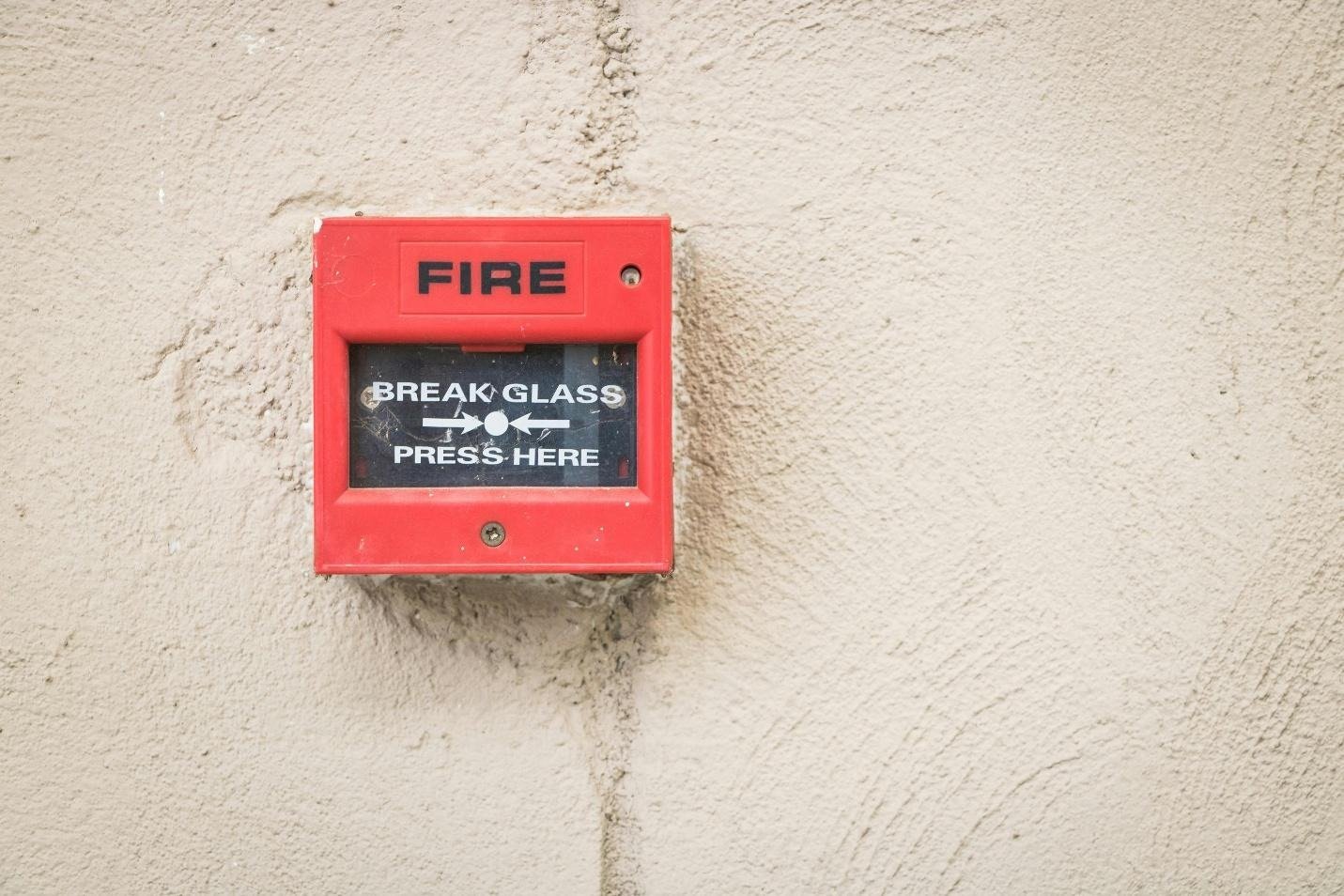
Someone always props open the fire exit because it feels quicker, and after a few days, it just blends into the room. People notice it at first, then not really, and eventually it stops registering as anything unusual.
In most workplaces, things like that do not stand out for long. Small shortcuts settle in quietly, almost as part of how the place runs. A blocked path here, a delayed check there, nothing urgent enough to interrupt the day. Over time, though, the space between “this is fine” and “this could go wrong” narrows, even if no one quite says it. Fire safety compliance tends to sit in that middle ground, not ignored exactly, but not handled with much weight behind it.
The Small Things That Turn into Big Problems
Workplace risks build gradually, often through decisions that felt reasonable at the time. Boxes get left near an exit because there is nowhere better to put them. The equipment runs hotter than it should, but keeps working, so it is left alone. A fire alarm test gets pushed, then pushed again. Each decision is easy to justify on its own. That is what makes it hard to notice the shift. Over time, those small choices layer together, and the workplace becomes harder to manage safely, even though nothing obvious has gone wrong.
Understanding Risk Before It Becomes Visible
Looking at fire risk properly is not just about working through a checklist. It is closer to stepping back and noticing how a workplace actually functions during a normal day. Where people gather without thinking. How is equipment used when things are busy? What tends to get stored where, even if it was not meant to stay there?
A structured assessment like Avensure’s professional fire risk assessment for offices helps bring important details into focus. In many offices, it is assumed the basics are in place, so things must be fine. But small changes tend to slip in over time. A desk moves. Storage shifts. Extra equipment appears without much thought about the wider layout.
Risk assessment does not just point out obvious hazards, but shows patterns that are easy to miss when seen every day. It also creates a record, which becomes useful later if questions come up about what was checked and when.
Legal Responsibility Is Not as Distant as It Sounds
Fire safety rules often get mentioned in a way that feels a bit far removed from normal office life. They sound formal, something tied to inspections or paperwork days rather than daily routines.
But the responsibility sits much closer than that. It rests with the employer or whoever runs the space, whether or not that is obvious. It does not disappear just because external help is brought in. Workplaces also shift over time, sometimes quietly. More desks appear, layouts change, and equipment gets squeezed in. Small changes like that add up. When something goes wrong, records matter more than expected. Without them, even minor issues can drag on.
The Cost of Getting It Wrong
Fire safety is often framed around major incidents, which are serious but not common. Smaller events tend to receive less attention, even though they still cause disruption. A contained fire can still interrupt operations. An office might need to close for a short period, and that alone can affect more than expected. Work slows down. Communication becomes uneven. Plans have to be adjusted quickly, and not always smoothly.
Insurance can help with some of the costs, but not everything is recoverable. Lost time, interrupted work, and strained client relationships tend to sit outside what can be claimed. There is also the internal effect, which is harder to measure but still present. Employees notice how situations are handled. If safety feels like it was not taken seriously enough, that impression tends to linger in the background.
Why It Gets Pushed Aside
Despite the risks, fire safety compliance often slips down the list. Not because it is ignored, but because other things feel more immediate. Deadlines, client work, operational issues. These take attention first. Safety systems, when they are working, do not ask for much. They sit quietly in the background, which makes them easy to postpone.
Checks get delayed. Reviews are pushed back. Small issues are noted but not fixed straight away. Over time, that becomes a pattern without much intention behind it.
There is also the sense that compliance is complicated or time-consuming. Sometimes it is, but often the problem is a lack of structure. When responsibilities are unclear, tasks drift. Things get missed, or repeated, or left half-finished.
Building a Workplace That Does Not Rely on Luck
A workplace that manages risk well is not one that avoids problems by chance. It is one that has some level of preparation built into how it runs, even if that preparation is not always visible.
Fire safety compliance sits within that. It involves understanding the space in a practical way, keeping track of changes as they happen, and noticing when small details start to shift out of place. Not everything needs a full review, but small signals tend to show up before larger issues do.
Clear exits, working alarms, accessible equipment. These are basic, but they only matter if they are maintained properly and checked often enough to catch problems early. Otherwise, they turn into assumptions that no one questions.
Training plays a part as well, although it does not always need to be formal. People forget procedures when they are not used. In an emergency, simple steps that feel familiar tend to be followed more reliably than detailed instructions that require too much thought. There is no perfect system, and no workplace is completely free of risk. But there is a difference between risk that is understood and risk that is left to settle quietly into the background.
A Practical Priority, Not Just a Formal One
Fire safety compliance does not need to sit in a separate category that only matters during audits. It fits into the normal running of a business, even if it is not always visible. When handled properly, it supports everyday operations in quiet ways. It reduces disruption, protects staff, and keeps things moving without unnecessary interruption.
The work involved is often less about large changes and more about paying attention to what is already there. Small checks, regular reviews, and a bit of consistency tend to go a long way over time, even if the results are not immediately obvious.