Do you struggle with rough patches or bumps on your skin? Uneven skin texture is a common issue for many people. This blog will explain the main causes and simple treatments to make your skin smoother.
Keep reading to learn easy ways to improve your skincare routine.
Types of Skin Texture Concerns
Skin texture can change for many reasons. Each issue makes skin feel or look different and may need special care.
Rough, dry skin
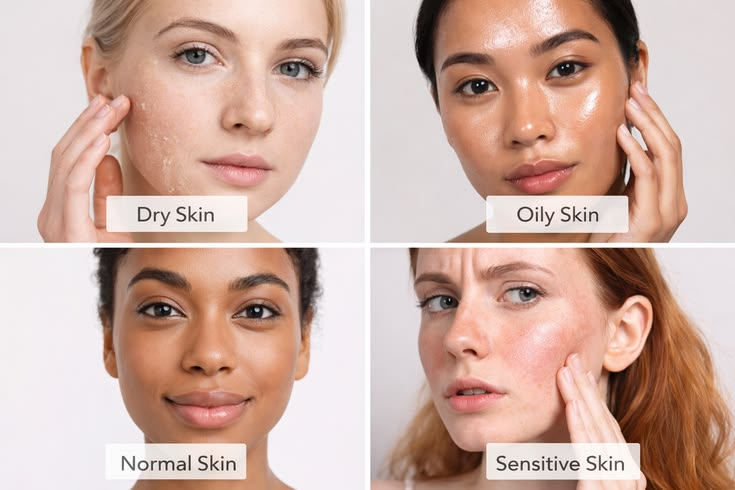
Rough, dry skin often feels tight and may look flaky or dull. Low moisture in the top layer of your skin leads to this roughness. Common causes include cold weather, low humidity, harsh soaps, and hot showers.
The loss of natural oils breaks down your skin’s barrier and makes it harder to keep water in.
You can protect moisture by using gentle cleansers and thick moisturizers with ceramides or hyaluronic acid. Choose products labeled for dry or sensitive types to avoid irritation.
“Dry skin is one of the most common texture issues people notice as they age,” says dermatologist Dr. Janet Allenby. Exfoliation with mild scrubs helps remove dead cells so smoother layers can show through.
Consistent hydration improves comfort and reduces flakiness over time.
Bumpy skin
Bumpy skin can be a common concern for many people. It often feels rough and uneven to the touch. Small bumps may appear due to various reasons, such as acne or clogged pores. These bumps can also arise from conditions like keratosis pilaris, which affects hair follicles.
Sun damage is another cause of bumpy skin. The sun can dry out and damage the outer layer of your skin. This leads to more texture issues over time. Dehydration plays a role too; when your skin lacks moisture, it can become bumpy and rough.
Treating bumpy skin typically involves good skincare practices like exfoliation and using moisturizers that hydrate without clogging pores.
Wrinkled or crepey skin
Wrinkled or crepey skin has a thin and delicate appearance. This type of texture can make the skin seem older than it is. Loss of collagen and elastin causes this change. Collagen helps keep skin firm, while elastin gives it flexibility.
Sun damage can worsen wrinkles and create a crepey look. Aging also plays a big role in these changes. Moisturizers can help hydrate the skin and reduce the appearance of wrinkles.
Exfoliation techniques like gentle scrubs or chemical peels reveal smoother layers underneath. Retinoids are another option, as they promote cell turnover and improve texture over time.
Common Causes of Uneven Skin Texture
Uneven skin texture can happen for many reasons. Acne can leave scars and create bumps, while sun damage can make skin rough and dry.
Acne and clogged pores
Acne occurs when hair follicles get blocked with oil and dead skin cells. This blockage can lead to redness, swelling, and bumps on the skin. Clogged pores often attract bacteria which makes acne worse.
Many people struggle with this common issue during their teenage years but it can happen at any age.
Treating clogged pores starts with good skincare habits. Regular cleansing helps remove excess oil and dirt. Exfoliation is also key; it clears away dead skin cells that cause blockages.
Using non-comedogenic products can reduce the chances of developing more acne in the future. Next, let’s look at sun damage and its impact on skin texture.
Sun damage
Sun damage can make your skin rough and uneven. The sun’s UV rays harm the skin over time. They cause dark spots, wrinkles, and changes in texture. Many people do not protect their skin from these harmful rays.
This can lead to long-term issues like aging and loss of collagen.
Be sure to use sunscreen every day, even on cloudy days. Seek products with SPF of 30 or higher for good protection. A hat or sunglasses can also help shield your face from the sun.
Taking these steps reduces the risk of sun damage and improves skin health. Next, we will examine effective treatments that can help restore smoothness to your skin.
Dehydration
Dehydration can make your skin feel rough and look uneven. This happens when your body does not have enough water. Without proper hydration, the skin loses its natural glow and softness.
Dehydrated skin often feels tight or flaky.
To improve dehydrated skin, drink plenty of water each day. Use hydrating products like moisturizers that contain ingredients such as hyaluronic acid. These help to lock in moisture and keep your skin smooth.
Regular exfoliation also helps by removing dead cells and allowing better absorption of hydrating products.
Aging and loss of collagen
Dehydration can harm your skin. The effects become more visible with aging and loss of collagen. Collagen is a protein that keeps skin firm and smooth. As we age, our bodies produce less collagen.
This change leads to wrinkles and loose skin.
Skin texture suffers as a result. Fine lines may appear, making the face look older than it is. Other factors like sun damage can worsen this issue too. To help combat this effect, using skincare products with retinoids or peptides can boost collagen production.
Staying hydrated also plays a vital role in maintaining healthy skin texture.
Effective Treatment Options
There are many ways to improve skin texture. Exfoliation helps remove dead skin cells and reveal fresh skin beneath. Hydrating products can soothe dry areas, making the skin soft. Retinoids can boost collagen production, which is key for smoothness.
Some people may benefit from professional treatments like chemical peels or microdermabrasion. These options can greatly enhance your skincare routine and lead to better results.
Exfoliation techniques
Exfoliation is a key part of skincare. It helps remove dead skin cells and smooths the skin’s surface. There are two main types of exfoliation: physical and chemical.
Physical exfoliation uses scrubs or tools to buff away dead cells. This can be done with gentle facial scrubs or brushes. Chemical exfoliants use acids like AHAs or BHAs to dissolve dead skin.
Both methods help improve texture by revealing fresh, new skin underneath. Regular exfoliation keeps pores clear and reduces roughness from issues like acne scarring and sun damage.
For best results, choose an approach that fits your skin type and concerns.
Hydrating and moisturizing products
After you exfoliate, it’s time to focus on hydration. Hydrating and moisturizing products are key for healthy skin. They help your skin feel soft and smooth. Look for creams or gels that can add moisture back into your skin.
Hyaluronic acid is a great ingredient in many moisturizers. It holds water and keeps your skin plump. Oils like jojoba or almond oil also help lock in moisture. These products can make rough, dry skin feel better quickly.
Use them daily for fresh-looking skin that feels great too.
Retinoids and serums
Retinoids are strong ingredients used in many skincare products. They help with rough skin and acne scars. Retinoids speed up skin cell turnover, making your skin smooth and fresh.
They can also boost collagen production, which helps reduce wrinkles.
Serums often contain retinoids or other active ingredients. These thin liquids penetrate the skin deeply for better results. Hydrating serums add moisture to dry areas while fighting texture issues.
Together with retinoids, they offer great treatment options for healthier-looking skin.
Professional dermatological treatments
Some treatments go beyond regular skincare. Professional dermatological treatments can help improve skin texture issues. These include procedures like chemical peels and laser therapy.
Chemical peels remove dead skin cells and encourage new growth. This helps reduce roughness and bumps.
Laser therapy targets deeper layers of the skin, promoting collagen production. With more collagen, skin feels firmer and smoother. Professionals customize these methods for your needs.
They assess your specific concerns before choosing a treatment plan. Aftercare is also important to achieve the best results in skincare routines.
Conclusion
Taking care of your skin is key. You can improve texture with the right knowledge and products. Use exfoliants to slough off dead cells. Hydration helps keep your skin smooth and fresh.
With treatments like retinoids and professional help, you can achieve beautiful skin that glows.