You don’t always need a big life change to feel better day to day.
Sometimes, it starts right at home.
The space you live in shapes your daily life. It affects how you relax, how you work, and how you spend time with family. If things feel off, cluttered, outdated, or just not quite right, it shows up in your routine.
Now, you don’t need a full renovation to fix that.
Small upgrades, smart choices, and a bit of planning can shift the entire feel of your home.
And once you notice the difference, it’s hard to go back.
If you’ve been thinking about improving your space but aren’t sure where to start, this guide walks through practical ways to upgrade your home and make it work better for your lifestyle.
Start With What Feels Off in Your Daily Routine
Before buying anything new or making big changes, take a moment to notice how your home actually feels day to day.
Maybe mornings feel rushed because everything’s scattered. Or maybe evenings don’t feel relaxing because the space just doesn’t support it.
When you fix the parts that slow you down or stress you out, the difference shows up fast. Even a small change, like rearranging furniture or clearing a busy surface, can make your routine smoother.
Plan How You’ll Finance Your Upgrades
Upgrades sound great until you think about the cost. That’s when a lot of people pause or put things off completely.
But there are ways to approach it without feeling stuck.
If the project is small, savings might cover it. That’s the easiest route.
For bigger updates, though, you could look at financing options. A personal loan can be one way to move forward. This is ideal for things like fixing a kitchen layout or updating worn-out flooring.
Take time to compare personal loan rates from different lenders. Rates, repayment terms, and fees can vary more than you’d expect. Looking at a few options helps you understand what fits your budget without creating pressure later.
Focus on Comfort Before Aesthetics
It’s easy to get pulled into how things look.
But if your home doesn’t feel good to live in, looks won’t fix that.
Start with comfort.
Think about where you spend the most time. Your bed, your couch, your dining space. If those areas don’t support you properly, you’ll notice it every day. Poor sleep, back discomfort, or just not feeling settled when you sit down.
Upgrading these doesn’t always mean buying something expensive. Sometimes it’s as simple as better cushions, improved bedding, or rearranging how things are set up.
Improve Lighting to Change the Entire Mood
Lighting doesn’t get enough attention, but it should. It can change how a room feels almost instantly.
If your space relies only on one bright overhead light, it probably feels a bit harsh. Not the kind of setting where you want to relax after a long day.
Layered lighting works better.
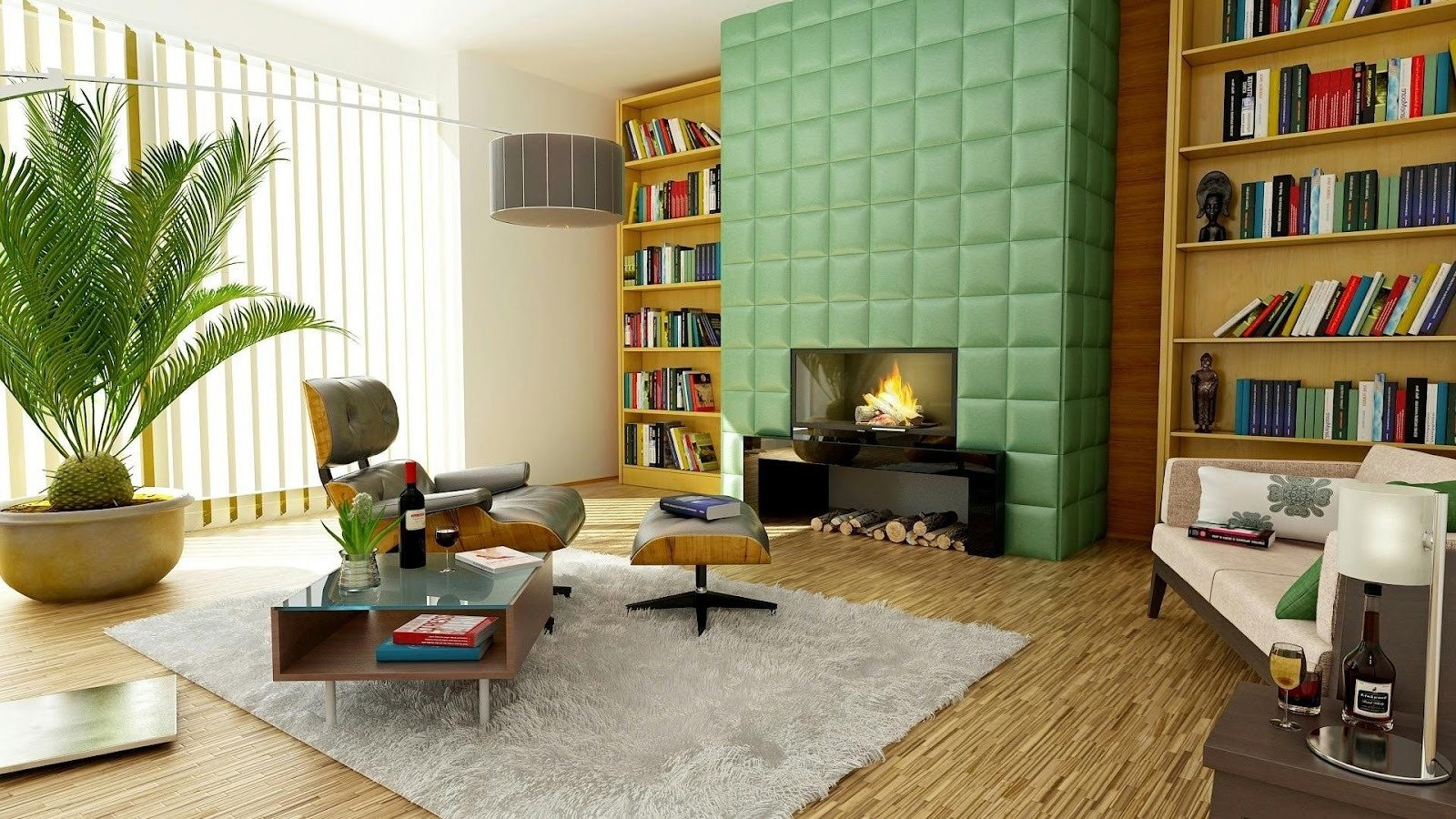
Add a floor lamp in the corner. Place a table lamp near where you sit. Use warmer bulbs where you want a softer feel. Brighter light still works for tasks, but it doesn’t need to dominate the whole room.
Open up curtains during the day for natural light. Let the space breathe a little.
Small shifts here can make your home feel calmer without a big investment.
Upgrade Key Functional Areas Like the Kitchen or Bathroom
Some areas in your home carry more weight than others. The kitchen and bathroom sit right at the top of that list.
You use them every day, sometimes multiple times. So when something doesn’t work there, you feel it quickly. Not enough counter space, poor storage, outdated fixtures – small issues that turn into daily annoyances.
The good part? You don’t always need a full remodel.
Start with what actually slows you down. Maybe it’s adding better storage in the kitchen so things are easier to reach, or simply updating a faucet in the bathroom.
Small upgrades can change how these spaces function. And once they start working better, your day feels smoother without you even thinking about it.
Bring in Natural Elements for a Calmer Feel
Some homes feel a bit too closed off. That’s where natural elements come in.
You don’t need to turn your space into a greenhouse. Just a few simple additions can shift the atmosphere. Add a plant near the window or just let in more daylight.
It softens everything.
Natural light especially makes a difference. Open curtains during the day, rearrange furniture if needed, so light spreads through the room instead of getting blocked.
Plants add life without much effort. Even one or two can change how a space feels.
It’s subtle, but it works. The space feels calmer without trying too hard.
Create a Space That Supports Your Hobbies or Downtime
Your home should match how you spend your time.
Think about what you enjoy. Reading, working out, watching movies, even just sitting quietly for a bit. If there’s no proper space for it, you end up not doing it as often.
You don’t need a big setup.
A small reading corner with a comfortable chair. A simple desk that actually helps you focus. A clear spot where you can stretch or move around.
It’s about intention, not size.
When your home supports your habits, it becomes easier to stick to them.
Add Personal Touches That Make the Space Yours
At some point, it’s not just about function. It’s also about how the place feels when you walk in.
A home should reflect you in small ways. Photos, artwork, items you’ve picked up over time. Things that mean something, even if no one else notices them.
You don’t need to fill every wall. Just a few touches here and there. Enough to make the space feel familiar and comfortable.
That’s what turns a well-organized home into one you actually enjoy being in.
A better home doesn’t come from doing everything at once. It comes from paying attention.
Notice what slows you down, what feels off, what could be just a little easier. Then change those things, one step at a time. No pressure to get it perfect. No need to chase trends.
Just small decisions that make your space feel more like it fits you.
When you do that, you’ll walk into your home and notice that it feels lighter. Easier. More yours.