
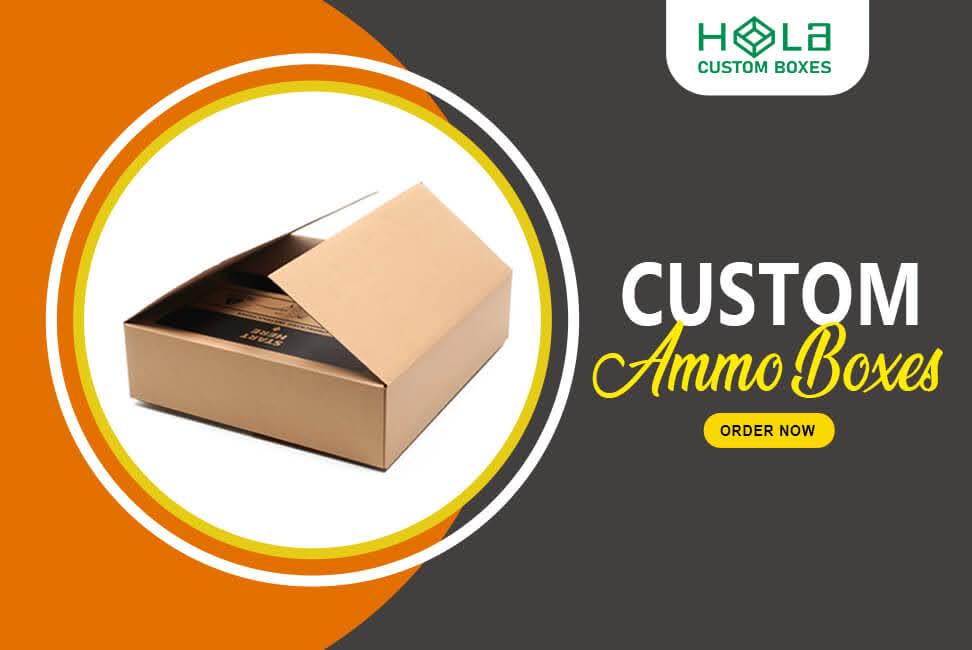
The .223 Remington isn’t just a popular caliber — it’s a standard. From competitive shooting to varmint hunting and high-volume training, it’s one of the most widely used rifle cartridges in North America. And when a caliber performs at that level, its packaging can’t be generic.
Retail buyers, distributors, and end users expect consistency. They expect structure. They expect clarity. A loose carton with shifting rounds or soft corners doesn’t just compromise protection — it weakens brand perception.
At Hola Custom Boxes, custom cardboard ammo boxes for .223 Remington are engineered to balance three priorities: precision fit, retail presentation, and real-world durability.
Because for ammunition brands, packaging isn’t decoration. It’s performance support.
Precision Fit Begins With the Internal Structure
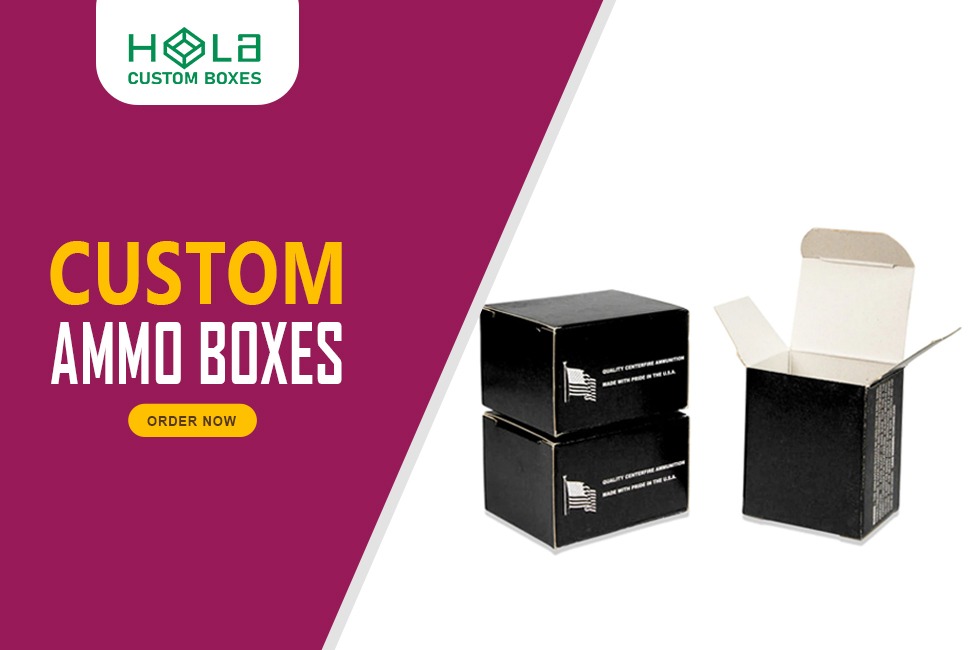
The first difference between a stock carton and a truly custom .223 box is internal calibration.
.223 Remington cartridges have relatively slim case diameters but longer overall lengths compared to pistol calibers. That means internal cavity dimensions must be carefully balanced. Too tight, and tips risk compression. Too loose, and side-to-side chatter creates noise and cosmetic damage.
A premium .223 box accounts for:
- Cartridge overall length (OAL)
- Bullet profile variations (FMJ, soft point, polymer tip)
- Board thickness after printing and coating
- Closure clearance under real handling conditions
At Hola Custom Boxes, we prototype around actual cartridge samples. We build in tight width tolerances to minimize rattle while leaving sufficient vertical clearance to prevent tip pressure when lids are closed.
This is where precision engineering replaces guesswork.
Capacity Formats That Match the Market
Not every .223 SKU serves the same buyer. Capacity affects pricing psychology, shelf space efficiency, and checkout speed.
20-round cartons are ideal for hunting loads, premium match ammunition, and retail-focused SKUs where visual impact and compact footprint matter. They create strong shelf presence and clear price-point segmentation.
50-round boxes hit the sweet spot for general range use and online orders. They balance perceived value with manageable size and shipping efficiency.
100-round formats appeal to high-volume shooters and training programs. They reduce packaging labor per round and simplify case packing logistics.
The key is consistency. Standardizing capacity formats across SKUs streamlines inventory counts, simplifies labeling workflows, and improves fulfillment efficiency.
When capacity decisions align with retail strategy, packaging becomes operational leverage — not overhead.
Insert Strategy: Controlling Movement and Presentation
The insert determines how rounds behave once inside the carton.
A molded or die-cut tray provides structured alignment and fast visual count checks. It stabilizes each cartridge by case body or shoulder, reducing noise and minimizing tip-to-primer contact during transit.
Dividers offer a more cost-efficient alternative. They create segmented lanes that tolerate slight length variation while preventing bulk contact damage.
In some value-focused SKUs, brands opt to eliminate inserts entirely — but that requires tighter headspace calibration and occasionally a pad sheet to dampen internal movement.
The insert choice should reflect your drop-test expectations, handling patterns, and price positioning.
You can explore structural configurations directly on our cardboard ammo box manufacturer page, where insert precision meets scalable production.
Box Styles That Shape Perception
Structural style communicates brand position before a customer even opens the package.
A classic tuck-end carton offers familiarity, fast hand-packing, and clean front-panel branding. It works well for mainstream retail distribution.
Tray-and-sleeve constructions elevate perceived value. The sliding motion feels deliberate and controlled, and the squared profile stacks cleanly on shelves and in master cartons.
Sleeve-over-inner-pack designs allow rapid artwork updates without redesigning the full structure — useful for seasonal runs or lot variations.
Each format must integrate seamlessly with internal tolerances and insert geometry. Style without structural alignment leads to closure issues and cosmetic wear.
Material Strength That Withstands Handling
Retail-ready doesn’t just mean attractive — it means resilient.
SBS and SUS paperboard deliver clean folds and high-resolution print surfaces for standard retail cartons. But for high-volume distribution or longer shipping routes, E-flute micro-corrugated adds crush resistance without excessive bulk.
Humidity resistance also matters. Ammunition often moves through varied climates before reaching the consumer. Moisture-sized board paired with aqueous or UV coatings protects against softening and corner collapse.
At Hola Custom Boxes, board selection is based on handling realities — not assumptions.
Printing That Performs Under Retail Lighting
The .223 buyer scans shelves quickly. Clarity wins.
High-resolution CMYK printing paired with spot colors locks in brand identity. Color banding systems across different loads help customers differentiate SKUs instantly.
Aqueous coating protects against scuffs and fingerprints. Matte finishes reduce glare under fluorescent lighting. Selective gloss UV highlights logos or key design elements without overwhelming compliance text.
Hierarchy matters. Caliber and quantity must be readable at arm’s length. Brand elements should guide the eye, not compete with required warnings.
Packaging should feel organized, disciplined, and credible — because that’s what buyers associate with ammunition quality.
Compliance Built Into the Design
Ammunition packaging lives within regulatory boundaries.
Caliber, quantity, manufacturer information, lot number, and safety warnings must be clearly visible. Barcode placement must remain flat and unobstructed. Lot stamping areas should avoid heavy varnish that interferes with ink adhesion.
Instead of squeezing compliance into leftover space, we design layouts with dedicated zones for critical information. This preserves legibility and keeps branding cohesive.
When compliance integrates smoothly into design, it reinforces professionalism rather than disrupting it.
Production Logistics That Support Growth
Beyond structure and print, operational efficiency defines packaging success.
Shipping case counts must align with warehouse picking workflows. Master cartons should protect corners while stacking cleanly on pallets.
Minimum order quantities vary depending on inserts and finishing choices. Tiered pricing allows brands to scale gradually while controlling cash flow.
Lead times typically range from 10–15 business days after artwork approval, with expedited production available when needed.
Every stage — from dieline approval to final shipment — is structured to keep your product moving.
Sustainability Without Compromise
Environmental responsibility increasingly influences purchasing decisions.
Recyclable board stock, FSC-certified materials, and water-based inks allow brands to maintain eco-conscious positioning without weakening structural performance.
Sustainable packaging choices can enhance brand credibility — especially among modern retailers and environmentally aware consumers.
Why .223 Brands Choose Hola Custom Boxes
The difference between generic packaging and engineered packaging is measurable.
At Hola Custom Boxes, we focus on:
- Caliber-specific cavity calibration
- Insert systems designed for real handling
- Retail-optimized branding layouts
- Moisture and crush resistance
- Scalable production workflows
- USA delivery support
Your .223 Remington ammunition performs with precision. Your packaging should reflect the same discipline.
Final Perspective
Custom cardboard ammo boxes for .223 Remington are more than containers. They are structured systems designed to stabilize rounds, protect tips and primers, communicate compliance clearly, and present your brand with confidence.
When internal tolerances, insert strategy, material strength, and print discipline align, packaging becomes an asset — not an afterthought.
If you’re ready to move beyond stock cartons and into caliber-engineered solutions, explore your options here:
https://holacustomboxes.com/product/cardboard-ammo-box-manufacturer
Because in the ammunition industry, precision isn’t optional — and neither is packaging.