
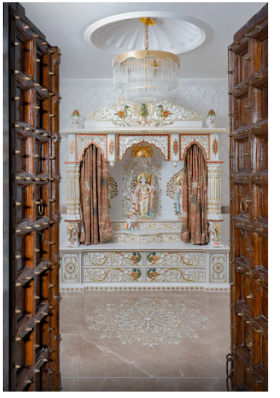
You can feel the difference the moment you walk into a truly serene pooja room. The space calms your mind without trying. Your shoulders drop. Breathing slows. The chaos of the day fades just a bit. Most pooja rooms don’t do this. They feel squeezed into awkward corners or dressed up with too many elements fighting for attention. The result? A space that looks religious but doesn’t feel peaceful.
This matters more than people realise. If your pooja room doesn’t pull you in, you’ll avoid it. Your kids will skip their evening prayers. Guests will glance at it politely and move on. You’ve invested in creating a sacred space, but something went wrong along the way. Let’s break down what actually creates a serene pooja room.
Ancient Principles That Still Work Today
Vastu Shastra offers specific guidelines for pooja rooms, and some of them genuinely affect how a space feels. You don’t need to follow every rule religiously, but certain principles make logical sense.
The northeast corner gets recommended most often for pooja rooms. This direction receives gentle morning light and stays cooler during the day. Your body responds to these subtle environmental cues. Cool, soft light naturally creates calm.
East-facing spaces work well, too. Again, the morning sun connection matters. Waking up and praying while natural light fills the room feels different from artificial lighting at night. Perhaps this explains why east-facing rooms feel more inviting for daily worship.
Height and proportion affect serenity, too. Low ceilings create compression and unease. Pooja rooms need vertical space to breathe. Aim for at least 9 feet if possible. The room shouldn’t feel cramped or cave-like.
Modern Sensibilities in Sacred Space Design
Today’s homes look different from traditional layouts. Open floor plans, smaller square footage, and contemporary aesthetics require adapting ancient wisdom without losing its essence.
Minimalism actually supports serenity better than excess. One beautifully carved panel beats five mediocre decorative items. A single perfect idol in a clean niche outshines a cluttered shelf of religious items.
This goes against instinct for many people. They worry that less decoration means less devotion or respect. The opposite proves true. Clean lines and careful editing create focus. Your eye rests on what matters instead of bouncing around trying to process visual chaos.
Colour choices matter tremendously here. White and cream dominate serene pooja rooms for good reason. These shades reflect light softly and expand perceived space. They don’t compete with carved details or deity features.
Some designers experiment with pale yellows or very light beiges. These can work, especially if your home follows a warm colour palette throughout. Just keep saturation low. Bright colours energise rather than calm.
Material Selection for Peaceful Atmospheres
Marble brings natural elegance that manufactured materials can’t match. The cool surface temperature, the subtle veining, the way light plays across polished stone—all of this contributes to serenity.
Vietnam white marble offers exceptional consistency for pooja rooms. The fine grain creates smooth visual flow without distracting patterns. Super fine variations provide almost pure white surfaces that glow under proper lighting.
Wonder white Indian marble costs less while maintaining that clean aesthetic. The slight natural variation adds character without breaking the peaceful atmosphere. This option works well if budget concerns limit material choices.
Onyx stone deserves consideration for backlit applications. The translucency creates an ethereal quality that feels almost otherworldly. You’ll pay premium prices, but the effect can be stunning if executed properly.
Lighting Creates or Destroys Serenity
Bad lighting ruins even a perfect design. One harsh overhead bulb casts shadows that feel uncomfortable and institutional. Your beautifully carved marble panels disappear into flat surfaces.
Layered lighting solves this completely. Start with soft ambient light that fills the room gently. Add accent lighting to wash walls or highlight specific features. Include a small reading light if you keep sacred texts in the space.
Warm LED bulbs (around 2700K to 3000K) work best for pooja rooms. Cool white light feels clinical and disconnects from the spiritual purpose. You want the gentle quality of early morning sunshine or oil lamp warmth.
Practical Considerations for Long-Term Serenity
Maintenance affects whether your pooja room stays serene or gradually becomes chaotic. White marble shows every oil stain and incense mark. Regular cleaning becomes necessary, not optional.
Smooth surfaces clean more easily than heavily textured ones. If you choose carved panels, consider how dust will settle in crevices. Be honest about your cleaning commitment before selecting ornate designs.
Ventilation prevents stuffiness and lingering incense smoke. A small exhaust fan or operable window keeps the air fresh. Stale air destroys the peaceful atmosphere you’ve worked to create.
Your pooja room should feel like a sanctuary ten years from now, not just when newly completed. Choose materials and designs that age gracefully rather than trend-driven elements that date quickly.
The serenity you create today shapes your spiritual practice for years ahead.