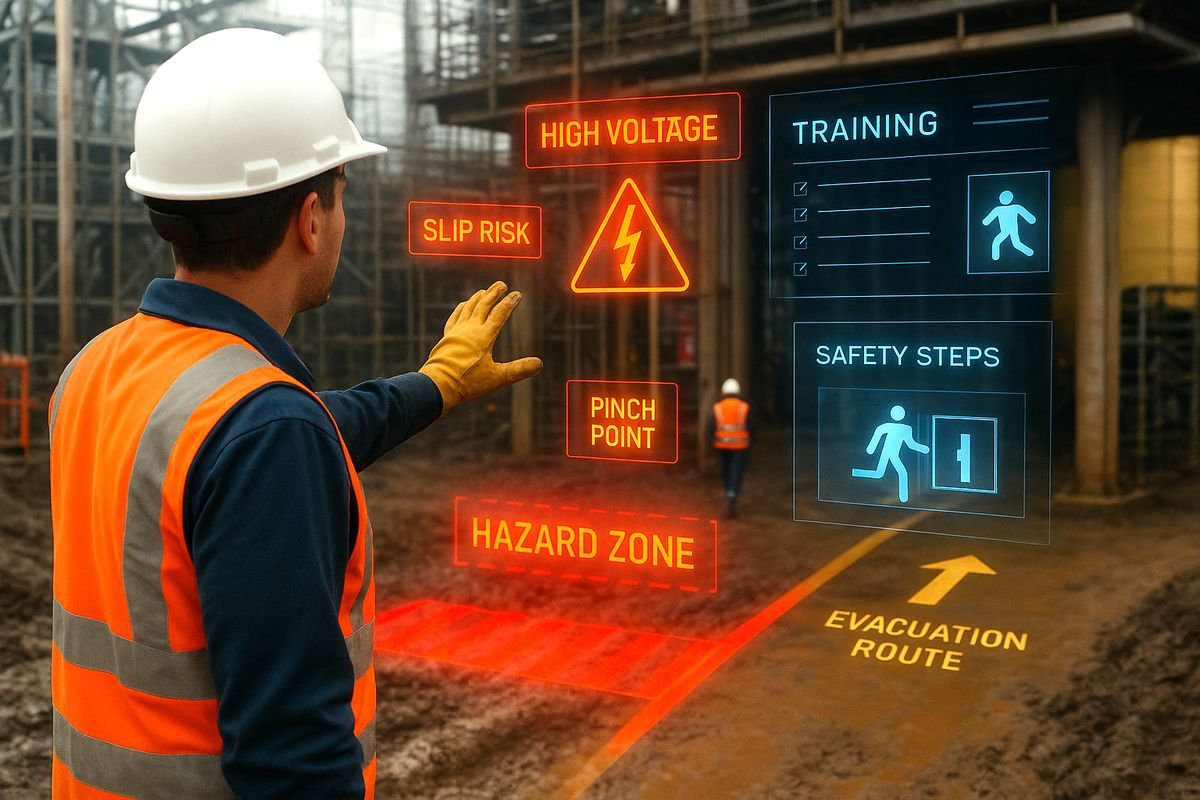
In factories and industries, safety is very important. Good machine safety services are not just laws we have to follow, they are important for stopping accidents, protecting workers, and keeping operations running smoothly. In this post, we will look at the important parts of machine safety services that businesses should focus on.
7 Key Components of Machine Safety Services
- Hazard Analysis and Risk Assessment
The first and most important step in any machine safety program is to carefully look for risks and dangers. This means finding the possible dangers related to machines and their use, and checking how likely these dangers are and how serious they could be.
Machine safety services usually start with a hazard analysis. In this process, experts look for dangers like sharp edges, electrical risks, or high temperatures that could hurt workers. They check how workers use machines and if there are safety measures like guardrails, emergency stop buttons, or sensors to protect them.
- Machine Guarding
A key part of keeping machines safe is machine guarding. Guards are safety barriers or tools that help keep workers away from the risky parts of a machine. They help keep people away from moving parts like belts, gears, and blades that could hurt them. There are different kinds of machine guards, like:
Fixed Guards: These are strong barriers, like fences or walls, that keep people away from unsafe places. They are usually used for machines that don’t move.
Interlocking Guards: These guards are linked to the machine’s system. If someone takes the guard away or opens it, the machine will automatically turn off to avoid accidents.
Adjustable Guards: These are used on machines where you can change the guard’s position to do different jobs while still keeping safe.
Presence-Sensing Devices: These sensors notice when a person is nearby and will stop the machine if someone goes into a dangerous area.
- Emergency Stop Systems
In places where machines are working, it’s very important to have an emergency stop (E-stop) system. This is a safety feature that quickly stops the machine if there’s an emergency, helping to prevent injuries. Many workplace safety rules, like OSHA and ISO standards, require emergency stop systems.
They usually have a big button or switch that’s easy to reach and is often painted red so it’s easy to see. The emergency stop buttons should be located where workers can easily get to them during an emergency, like near the machine operator’s station or in places where workers are close to the machines.
- Lockout/Tagout (LOTO) Procedures
These procedures are important steps for keeping machines safe. LOTO means locking or tagging a machine’s energy sources like electricity, hydraulic pressure, or air while it is being fixed. This is done to stop the machine from starting up by mistake. Good LOTO procedures include:
- Locking or tagging energy sources to make sure machines do not turn on by mistake
- Giving employees the right training on LOTO procedures and helping them understand the dangers of working with machines
- Put clear tags or locks on equipment to show when it’s being worked on and to tell people not to use it
- Carrying out regular checks to make sure LOTO rules are being followed
- Routine Checks and Maintenance
Regular maintenance is very important for finding problems before they become serious. Machine safety services usually involve regular checks and maintenance to make sure that the equipment works well. Preventive maintenance tasks could involve:
- Checking safety features, locks, and sensors to make sure they are working correctly
- Checking moving parts for damage and changing any broken pieces
- Checking emergency stop systems, alarms, and safety controls to make sure they work properly
- Putting grease on moving parts to stop them from breaking
- Safety Protocols and Worker Training
No matter how good the machines are, accidents can still happen if workers don’t know how to use them safely. That’s why training workers is a key part of keeping machines safe. Workers need to know how to use machines properly and be aware of possible dangers. Training needs to include:
- Easy-to-follow steps for using each machine safely, including how to use safety shields and stop buttons in case of an emergency
- Knowing safety signs and labels helps workers spot dangers
- Use the right posture and setup to prevent pain or injury when using machines
- Steps to follow in case of an accident or problem
- Following industry Standards and Regulations
It’s important to make sure your machines follow local, national, and international safety rules for legal reasons and to run your business smoothly. Many countries have strict rules to keep machines safe. This includes OSHA rules in the United States and safety guidelines for machines in Europe. Machine safety services should have:
- Audits to make sure that equipment is safe and follows the rules
- Records of checks, repairs, and training activities
- Updating safety rules whenever new regulations come out
Conclusion
Machine safety services are very important in any place where machines are used. By checking for risks, protecting machines, having emergency stop buttons, following safety lock procedures, doing regular maintenance, training workers, and following rules, companies can greatly lower the chances of accidents at work.